Former FCC Commissioner, Wireless Group Oppose Michigan Robocall Crackdown

State warned the bill could invite costly and overlapping litigation.

Former FCC Commissioner, Wireless Group Oppose Michigan Robocall Crackdown
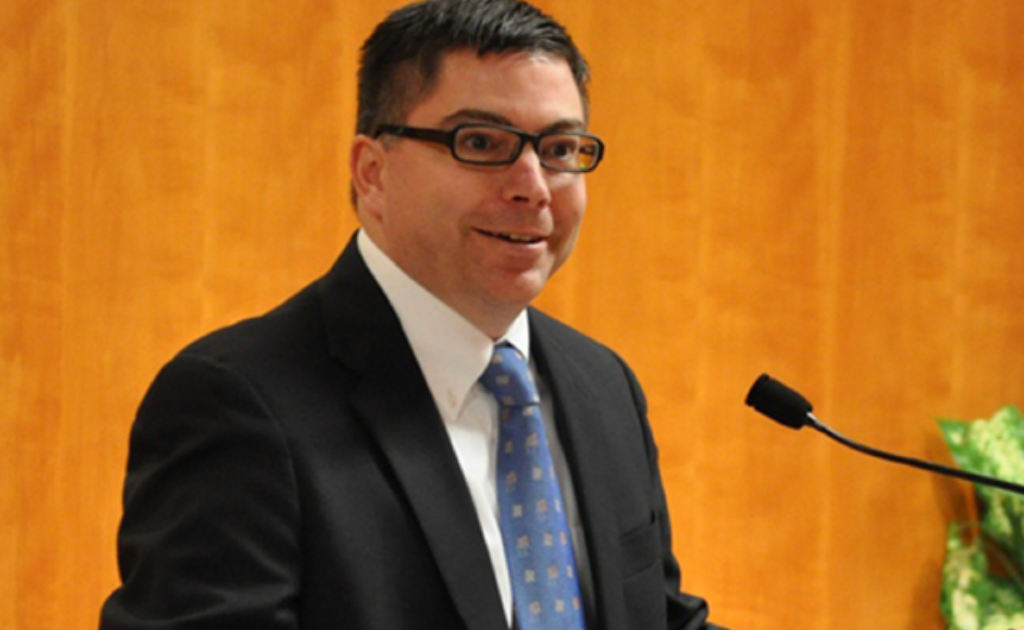
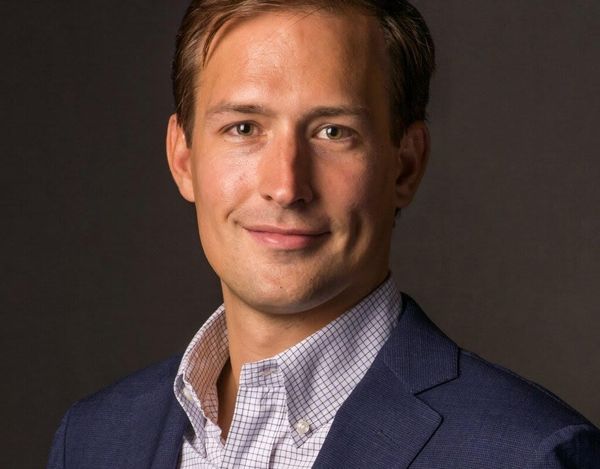
Photo of former FCC Commissioner Michael O'Rielly. Credit: American Enterprise Institute.

WASHINGTON, Oct. 27, 2025 — Michigan lawmakers’ push to regulate robocalls has drawn warnings it could backfire.

Former Republican Federal Communications Commission Commissioner Michael O’Rielly and CTIA, the trade association for the U.S. wireless industry, opposed Michigan’s proposed Senate Bill 351. The measure would restrict the use of automated dialing systems and prerecorded messages for marketing or outreach without prior consent, allowing consumers to sue for violations and seek damages of up to $1,500 per call. He said the enforcement mechanism could “invite the same kind of shakedown lawsuits that often plague the federal system.”

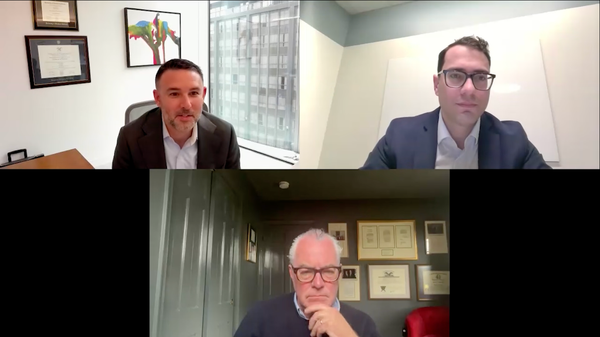
Appearing before the Michigan Senate Finance, Insurance, and Consumer Protection Committee on Oct. 22, O’Rielly called the bill “a blueprint for litigation abuse.” 

O’Rielly urged the panel to find a new refined approach that targeted the guilty, not the innocent.

 “Well-intentioned laws, if not written with surgical precision, can create devastating, unintended consequences,” O’Rielly said. He urged state senators to refine the proposal by “focusing on bad actors, not good-faith communicators,” and to align Michigan’s definitions with the Supreme Court’s Facebook v. Duguid ruling, which narrowed what qualifies as an autodialer.

O’Rielly cited past cases in which schools or utilities faced liability for automated safety messages, and warned that “good actors who are simply trying to reach customers” could be penalized. He recommended three amendments: adopt a modern definition of an autodialer, target only malicious robocallers, and protect legitimate and constitutionally protected speech.

Jake Lestock, representing CTIA, told lawmakers the package “will not deter those bad actors who are already breaking federal laws.” He said the bills instead imposed new compliance costs on companies already working with federal agencies to curb unwanted calls and texts.

He said wireless providers blocked nearly 55 billion robotexts in 2024, and argued that those results showed no need for “new and burdensome regulations on law-abiding companies.”

The committee, chaired by Sen. Mary Cavanagh (D-Redford), is reviewing SB 351 as part of a five-bill telecommunications package introduced June 4.

Member discussion

Popular Tags