
Google Commits $3B to Hydropower for Pennsylvania Data Centers
Partnership with Brookfield delivers 3,000 megawatts of hydroelectric capacity to Google

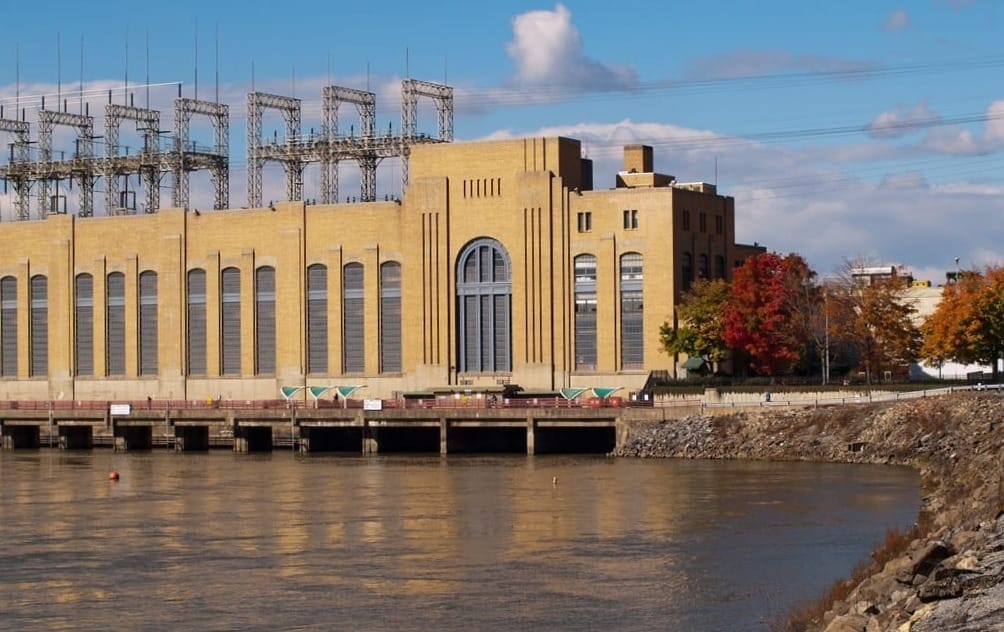
WASHINGTON, July 17, 2025 – Google announced a new clean energy agreement Tuesday to use hydropower to power digital infrastructure across the country.
Brookfield Asset Management partnered with Google to create a “Hydro Framework Agreement,” aiming to bring 3,000 megawatts of hydroelectric capacity to Google projects across the country. Brookfield said this “first-of-its-kind” agreement was the “the world’s largest corporate clean power deal for hydroelectricity,” in a release.
The first contracts signed under the framework include a $3 billion, 20-year purchase agreement for 670 megawatts of power from two hydroelectric dams on Pennsylvania’s Susquehanna River. Google said it plans to invest $25 billion in data center infrastructure in the mid-Atlantic area.

Big Tech has been seeking clean energy to power the rapidly-growing data center industry for the past few years.
“This collaboration with Brookfield is a significant step forward, ensuring clean energy supply in the [mid-Atlantic] region where we operate,” Google’s Head of Data Center Energy Amanda Peterson Corio said.
“Hydropower is a proven, low-cost technology, offering dependable, homegrown, carbon-free electricity that creates jobs and builds a stronger grid for all,” Corio concluded.





Member discussion