House Bill Seeks to Avoid Another ‘Rip-and-Replace’ with Foreign Fiber Ban
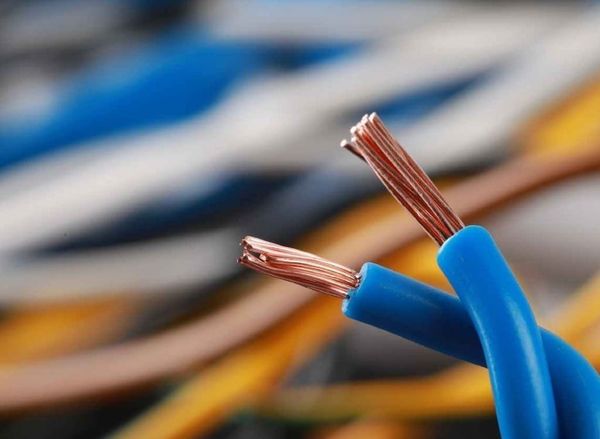
The bipartisan FIREWALL Act would restrict federal broadband funding to domestically sourced or allied fiber-optic cable.


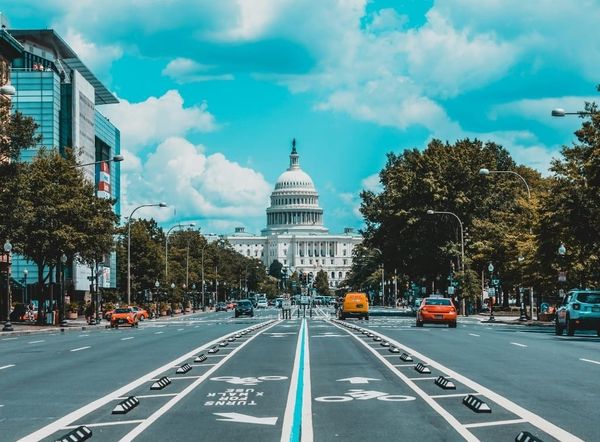
WASHINGTON, July 2, 2026 – A bipartisan House bill introduced Tuesday would bar the use of federal broadband funds to purchase fiber-optic cable sourced from countries of concern.
Lawmakers argued the restriction would help prevent a future “Rip-and-Replace” effort similar to the federal reimbursement program launched in 2021 that removed Chinese-made telecommunications equipment from U.S. networks over national security concerns.
The FIREWALL Act, introduced by Reps. Gus Bilirakis, R-Fla., and Darren Soto, R-Fla., would codify and expand those restrictions.
“The FIREWALL Act ensures that taxpayer dollars are not used to subsidize technology sourced from countries that pose a threat to our national security,” Bilirakis said in a release.
“Rather than waiting until these products are deeply embedded in our networks and facing another costly ‘Rip and Replace’ effort, we should take commonsense steps now to prevent the problem from occurring in the first place,” he said.
The legislation supports broader efforts to restore U.S. leadership in fiber-optic research, development, and manufacturing, while building upon ongoing efforts to secure U.S. communications networks from foreign threats.
Experts have raised concerns that fiber-optic cable produced by entities linked to foreign adversaries could present security risks to U.S. telecommunications systems, including the potential interception of sensitive communications and data.
The legislation comes as demand for fiber-optic cable is expected to outstrip domestic supply.
Industry analysts have warned that federally funded broadband deployments under the $42.5 billion Broadband Equity, Access, and Deployment program program, coupled with surging demand from AI infrastructure and new data centers, are driving unprecedented demand for fiber.
BEAD’s Build America, Buy America requirements limit the use of imported materials for federally funded projects, adding further pressure to domestic manufacturers.
Lawmakers have pointed to the FCC's "Rip-and-Replace" program as a cautionary example. Created after Congress determined equipment from Huawei and ZTE posed national security risks, the reimbursement program ultimately cost an estimated $5 billion effort, more than double the original appropriation, and has taken roughly five years to complete because of funding and supply chain challenges.
The two lawmakers underscored similar concerns about national security risks and the need to secure telecom supply chains.
“America's telecommunications networks are the backbone of our economy, our national security, and our daily lives,” said Bilirakis. “As our adversaries become increasingly sophisticated in their efforts to infiltrate critical infrastructure, we must act proactively to protect our communications systems from potential vulnerabilities.”
Soto highlighted domestic leadership in fiber production.
“This will help keep Americans safe and further position the U.S. as a leader in this space,” said Soto. “I’m proud to support this bipartisan bill to ensure fiber-optic cable produced by entities linked to foreign adversaries is not purchased with federal dollars.”