House Republicans Question Future of Federal Broadband Programs
GAO tells lawmakers fewer broadband programs may be needed after BEAD

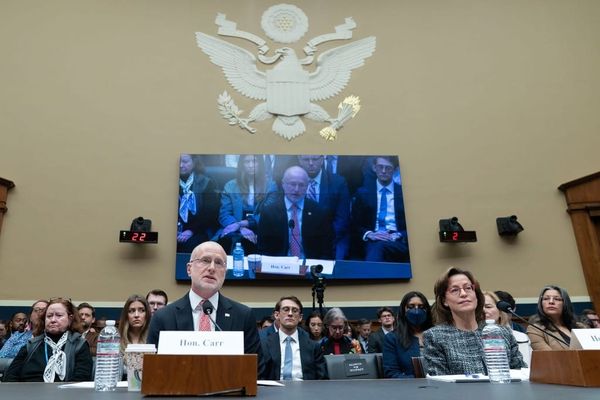
WASHINGTON, July 23, 2026 – House Republicans repeatedly questioned Wednesday whether the federal government still needs roughly 130 programs supporting broadband access.
The issue surfaced throughout a hearing of the House Communications and Technology Subcommittee. Among the measures under discussion was the bipartisan PLAN for Broadband Act, which would require the executive branch to develop a national broadband strategy.
The bill was first introduced in 2022, after the Government Accountability Office found federal broadband programs had become fragmented, creating overlapping efforts and coordination challenges.
“The question always comes up: How many do we really need?” Rep. Bob Latta, R-Ohio, said. “We don't need that many.”
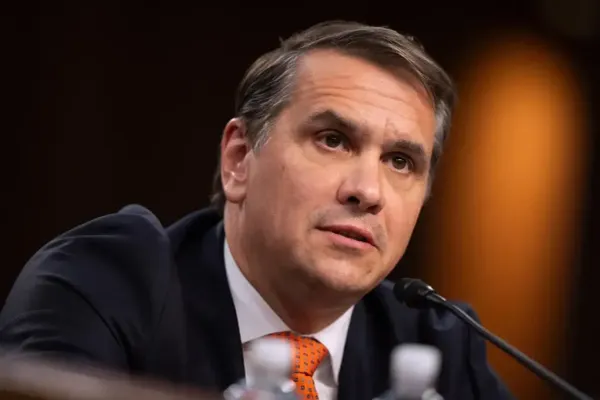
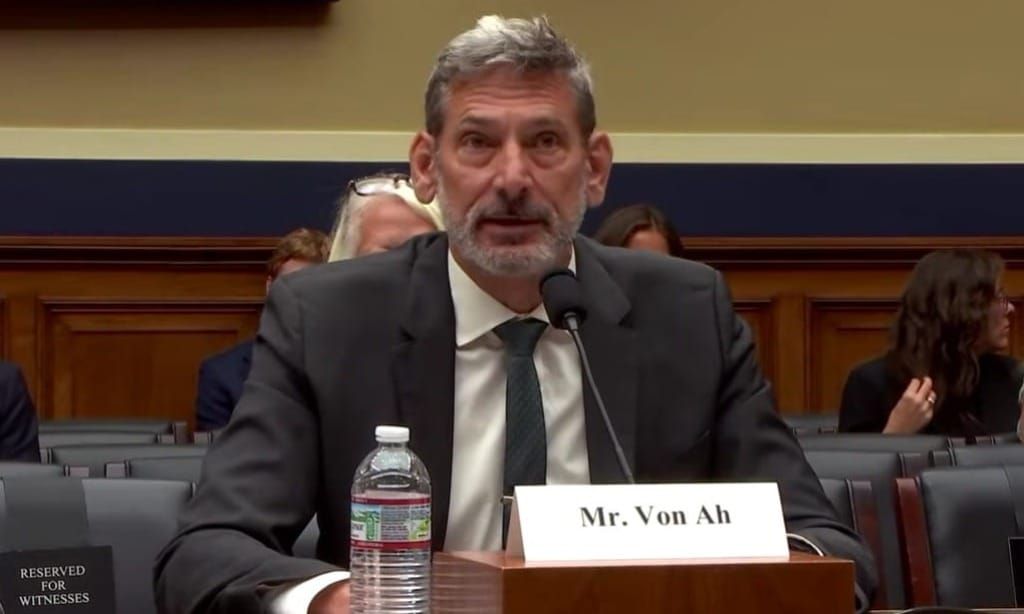
GAO Director of Physical Infrastructure Andrew Von Ah, a witness, suggested that once the federal Broadband Equity, Access, and Deployment program fulfills its goal of connecting unserved locations, the federal government is unlikely to need as many broadband programs.
He said the government’s deployment efforts were now concentrated in roughly a dozen major infrastructure initiatives.
“I would say that we probably don't need 130 programs,” Von Ah told Latta. “BEAD’s goal is ultimately to connect every location that's in the map.”
The GAO report identified 25 different broadband-focused funding programs and more than 100 additional programs that could potentially or conditionally be used to support broadband access.
Von Ah cautioned that Congress should begin thinking about what federal broadband policy looks like once BEAD is complete, including whether subscriber levels will be able to support continued operation of the networks built, and how agencies should coordinate after initial deployment ends.
Asked by Rep. Rick Allen, R-Ga., what Congress should focus on as it considers the future of federal broadband efforts, Von Ah said the biggest issue is making sure that the roles and responsibilities amongst the agencies are clear.
Von Ah said that the federal agencies have made meaningful progress coordinating since the watchdog agency issued its recommendations several years ago. “We've seen [agencies] focus on avoiding duplication and be largely successful in doing s,” he said.
His remarks represented a more positive assessment than the one he gave Congress in 2025, when Von Ah said federal agencies had fully implemented only two of eight leading practices recommended in GAO’s 2022 report to improve broadband coordination.
Data Bridge Act and agricultural broadband mapping
Lawmakers also discussed proposals aimed at improving broadband deployment and access in rural communities.
Members considered the bipartisan Data Bridge Act, which would require the Federal Communications Commission to incorporate U.S. Department of Agriculture cultivated land maps into the National Broadband Map.
Rep. Darren Soto, D-Fla., argued that existing broadband maps do not fully capture the connectivity needs of agricultural communities because they focus primarily on broadband serviceable locations rather than the broader areas where farming operations take place.
He said more accurate mapping is increasingly important as farmers rely on connected equipment, precision agriculture technologies, livestock tracking systems, and real-time data tools to improve productivity.
Lawmakers considered six bills covering a broad range of communications policy issues during the hearing, including the growing challenge of illegal robocalls, the use of artificial intelligence to both enhance and threaten communications networks, and national security concerns surrounding emerging connected technologies such as advanced robotics.