India-Based Call Center Group Pushes Back Against Proposed FCC Rules
The company is expressing concern over the FCC's proposal to onshore foreign call centers.

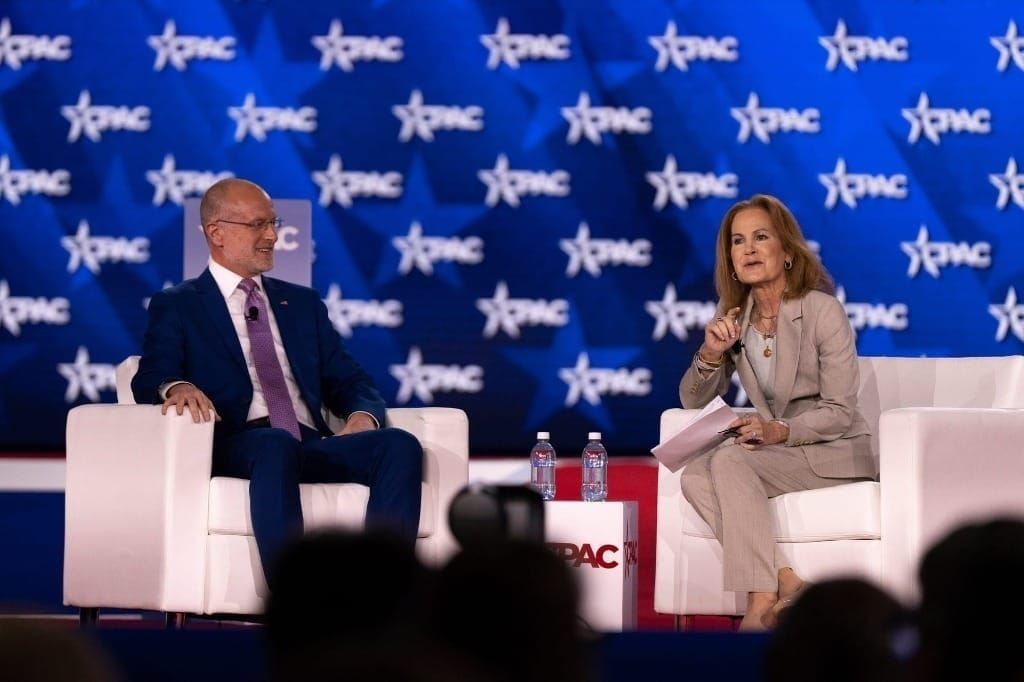
WASHINGTON, June 2, 2026 – Federal Communications Commission Chairman Brendan Carr’s effort to spur growth in U.S. call centers is facing some foreign opposition.
Nasscom, an advocacy group for India’s technology sector, says a recent FCC proposal unfairly targeted all foreign call centers and used vague wording that could lead to inconsistent rule enforcement. The group warned against the economic impact the proposal could have on U.S. companies.

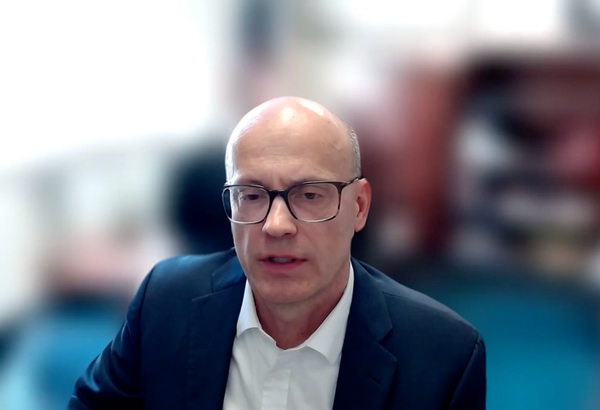
“Nasscom respectfully submits that the FCC’s Notice of Proposed Rulemaking … risks producing unintended economic consequences, increased costs for customers, diminished multilingual accessibility and substantial disruption to legitimate global service delivery operations,” said Nasscom President Rajesh Nambiar, in a May 29 letter to the agency.
The NPRM is intended to bring foreign call center jobs back to the U.S. by placing a cap on the percentage of calls that can be taken from overseas.
In a statement, Carr explained, “Americans get frustrated when they call a U.S. business and end up connecting with a call center located abroad.” He noted that language barriers can make it challenging for callers, and foreign-based call centers can often create heightened security risks.
Carr wants the FCC to require foreign call centers to inform customers when a call is being handled outside the U.S.; ensure call center staff are proficient in American Standard English; give customers the right to transfer a foreign call to the U.S.; and require calls that share sensitive customer data to only be taken by call centers in the U.S.
Nasscom acknowledged the FCC’s efforts to prevent scam calls and other deceptive service practices. However, the company suggested that the FCC take a different approach by targeting scam callers directly, applying clear standards and giving companies flexibility to choose where they hire workers instead of changing the system.