Joe Finn: A Firefighter's Mayday on the Urgent Need for 3D Tracking on the Fireground
A veteran fire commander who lost two firefighters in a 2014 Boston blaze is urging the FCC to fast-track indoor 3D location technology.

On a sunny Wednesday afternoon in March at 2:30 p.m., you do not expect a catastrophic fire. But in 2014, in one of Boston’s wealthiest neighborhoods, that is exactly what I encountered. I arrived on the scene of a fast-moving, wind-driven fire in an attached brownstone to find total chaos.
A massive backdraft had just occurred, injuring 17 firefighters, leaving them severely burned and scattered across the pavement. Unit integrity was instantly shattered. Amidst the smoke and frantic medical triage, the radio was barking with the two words that strike absolute fear into the heart of any incident commander: “Mayday. Mayday.”

Two of our firefighters were trapped somewhere in the burning basement. We knew they were down there, but navigating a complex structure amid a raging fire with low visibility and obstructions made reaching them extremely challenging.
RIT teams (Rapid Intervention Teams) were deployed from the front and rear of the building. The members on those teams are well trained in search and rescue operations. With the missing firefighters' oxygen quickly depleting, we had only minutes to turn this May Day situation into a rescue, but with blinding smoke, and intense heat, no one could find them. Both of those brave men made the ultimate sacrifice that day.
Every year across America, tens of thousands of firefighters are seriously injured, and on average, 100 lose their lives. While the public often assumes we possess the technology to track our team inside these structures, the shocking reality is that we do not. Once a crew crosses the threshold of a burning building, they enter a state of absolute tunnel vision. They only know the heat and flames directly in front of them; they cannot see how the fire is developing below and above them or progressing throughout the structure.
Right now, an incident commander’s only tool to track these crews is a two-way radio. We manage fires by dividing buildings into flat sectors: Floor 1, Floor 2, Side A, Side B. But when the floor gives way, a roof collapses, or an aggressive crew naturally migrates upstairs to chase the seat of the fire or reach civilians, we can be left completely blind. We are attempting to command operations in a complex, three-dimensional world using flat, two-dimensional assumptions.
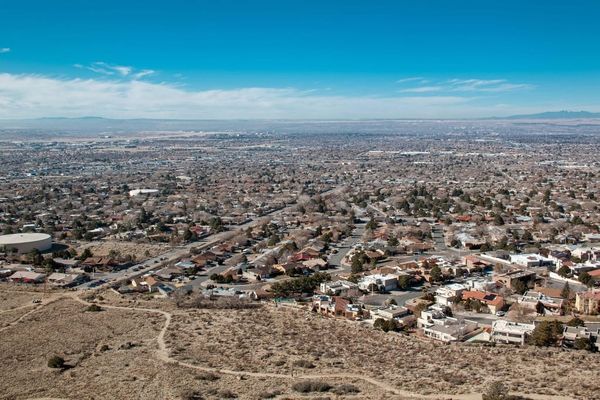
The primary culprit is our absolute dependence on satellite GPS. Satellite signals were built for open fields, not dense urban environments. They cannot reliably penetrate modern steel and concrete, and they lack the capability to accurately deliver vertical location information within a multi-story structure. When a firefighter or a trapped civilian is in distress, knowing they are at a specific street address is only half the answer. Public safety needs to know exactly what floor they are on and which room they are in.
This is why I, along with public safety leaders from across the country, recently signed a joint letter to federal regulators urging the swift advancement of the Federal Communications Commission’s Notice of Proposed Rulemaking to promote the development of next-generation positioning, navigation, and timing (PNT) technologies designed to improve indoor location accuracy for 911 callers and first responders.
The life-saving impact of 3D indoor location accuracy tracking cannot be overstated. When a Mayday call goes out, human emotion naturally takes over. Firefighters will self-commit and rush into the inferno to save their brothers and sisters, frequently exposing themselves to extreme, uncalculated risks.
With precise indoor location data, an incident commander can instantly clear the smoke and better understand where responders are and where help is needed. It takes on average 19 minutes to find a missing firefighter, and with only 30 minutes of air in a tank, access to indoor location data can help increase the chances that what happened in the Back Bay neighborhood in Boston won’t ever happen again.
Furthermore, this type of situational awareness acts as a preventative safety shield. If an incident commander sees a crew entering a dangerous area, they can proactively order them to withdraw before a collapse or backdraft occurs.
Next to the introduction of the self-contained breathing apparatus decades ago, dependable indoor 3D location tracking represents the most significant advancement in fire ground safety in the history of modern firefighting. It is an indispensable insurance policy for individuals who risk their lives every time the alarm sounds.
President Trump identified GPS resilience as a national priority in 2020. I’m encouraged that the FCC is considering next-generation PNT solutions and Congress is holding a hearing, but the window to move is narrow. The FCC should hear directly from firefighters and incident commanders on the ground before evaluating PNT technologies. The technology is ready, and time is not a luxury we have on the fireground.
It is time for the FCC to move to the next step in the process to enable PNT technologies and solutions well-suited for 3D indoor location. We cannot afford to keep sending our nation's first responders into emergencies while relying on tools that haven’t fundamentally changed in decades. It is time to give them the 21st-century tool they need to navigate the smoke, locate the missing, and ensure every single firefighter makes it back home safely.
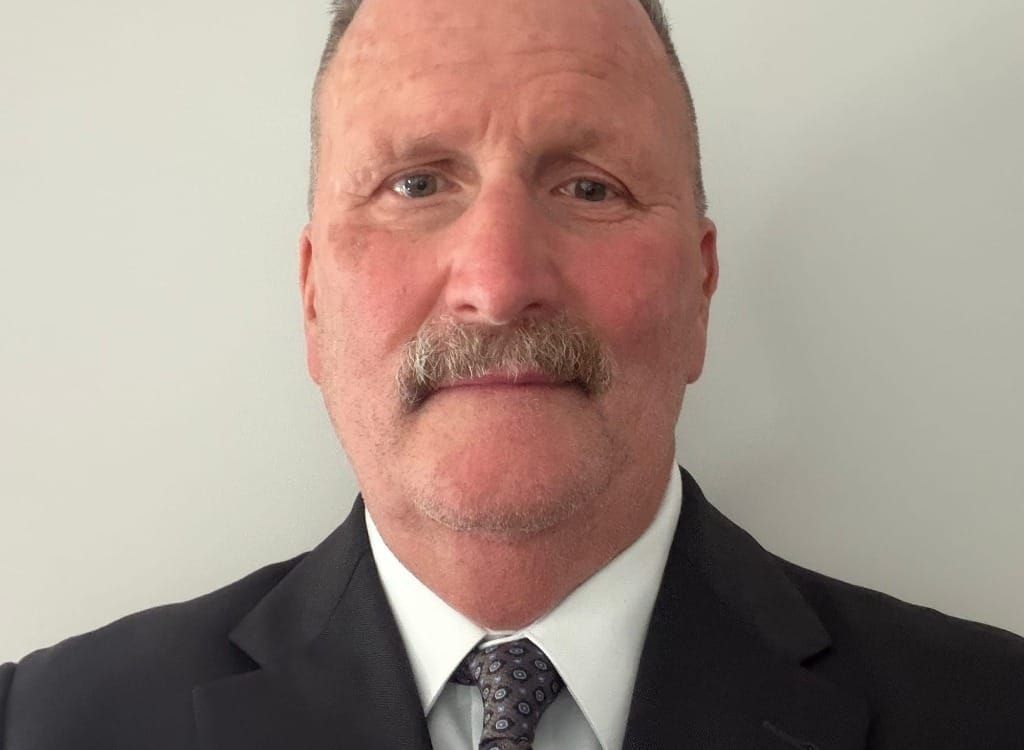
Joseph E. Finn served as the Fire Commissioner and Chief of Department for the Boston Fire Department from 2014 to 2020, capping off a distinguished 36-year career in public safety. He is a member of the Metropolitan Fire Chiefs Association, a Division of the International Association of Fire Chiefs (IAFC), a national advocate for first responder health and safety, and a public safety advisor to NextNav. This Expert Opinion is exclusive to Broadband Breakfast.
Broadband Breakfast accepts commentary from informed observers of the broadband scene. Please send pieces to commentary@breakfast.media. The views expressed in Expert Opinion pieces do not necessarily reflect the views of Broadband Breakfast and Breakfast Media LLC.