
Landry to Lutnick: Let States Keep Non-Deployment Dollars
He proposed that Commerce limit spending to AI or 'America First' policies like workforce development.

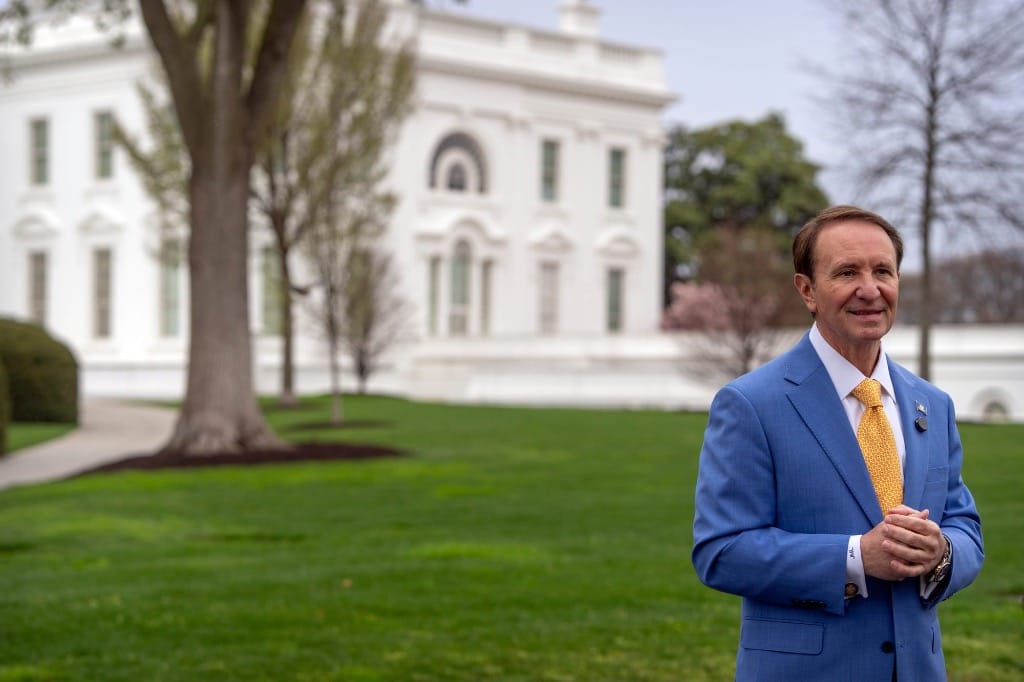
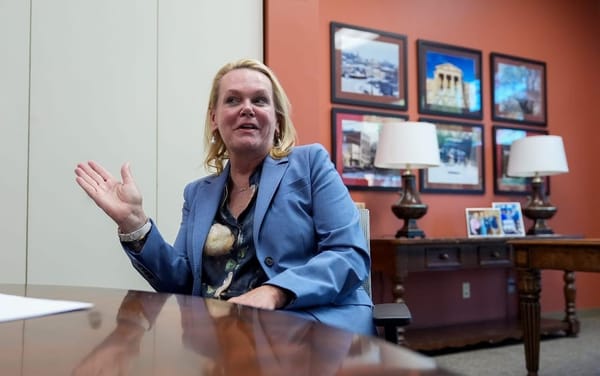
WASHINGTON, Sept. 9, 2025 – Louisiana Gov. Jeff Landry, a Republican, is asking the Commerce Department to let states keep federal broadband funds they don’t end up using to secure universal connectivity, provided they spend it on certain things. Among 34 states that have reported tentative results, about $13 billion in allocated funding would be left over for those purposes.
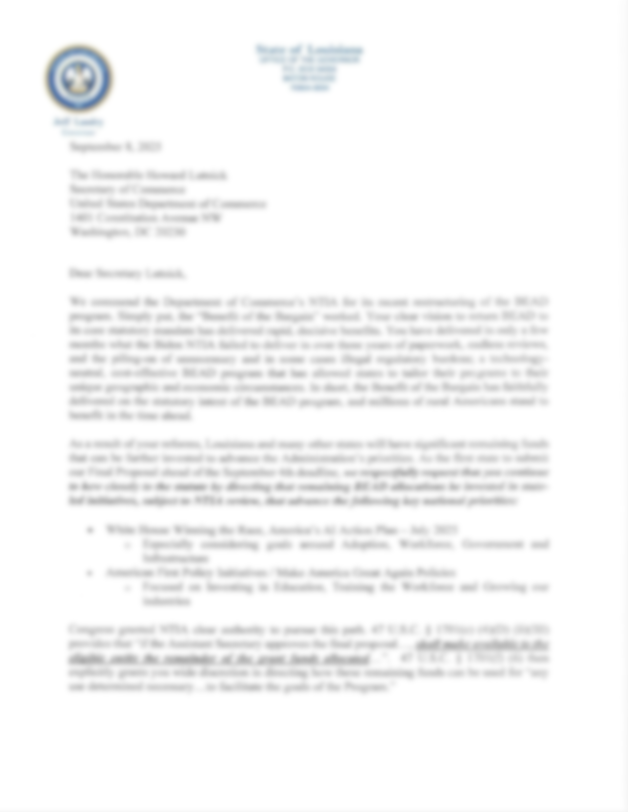
Gov. Jeff Landry's letter to Howard Lutnick
In a Monday letter to Commerce Secretary Howard Lutnick, Landry asked Lutnick to allow non-deployment spending under the $42.45 billion Broadband Equity, Access, and Deployment program, provided states use the money to invest in AI or on “America First” policies
“We respectfully request that you continue to hew closely to the statute by directing that remaining BEAD allocations be invested in state-led initiatives, subject to NTIA review,” Landry wrote in his two-page letter, so long as they advance the White House’s plan for promoting AI or “America First Policy Initiatives/Make America Great Again Policies.”
Those would include policies “focused on investing in education, training the workforce, and growing our industries,” Landry wrote.
Recommends that NTIA instruct states on non-deployment plans by Dec. 1
He suggested Commerce’s National Telecommunications and Information Administration issue guidance on Oct. 1, which would instruct states to submit separate non-deployment plans by Dec. 1. He said any proposals not aligned with the goals he outlined should be denied, and the funding at issue be reassigned to other states.
The law standing up BEAD said that at least “broadband adoption programs and affordable device distribution” were an allowed use of any funds left over after securing connectivity for each eligible location, in addition to anything else the NTIA head saw fit.
But the Trump administration is not eager to see much non-deployment spending. The NTIA rescinded approval for any such activities when it changed the program's rules in June, including some that were already underway, and said more guidance was forthcoming.
Under the new rules aimed at cutting costs, states have so far reported spending on deployment less than half of the BEAD money allocated to them in 2023. NTIA has to approve those plans before states can fund projects, which it’s aiming to do by Dec. 3 for the 33 states that submitted plans on Sept. 4.
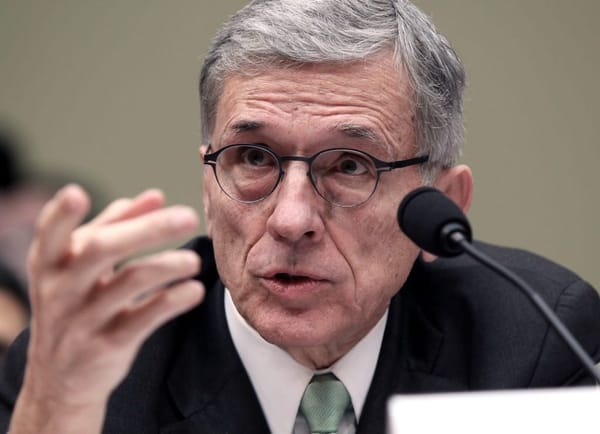
“We think Lutnick would like to have the funds returned to Treasury,” New Street Research Policy Analyst Blair Levin wrote in a Tuesday investor note. But “if enough Republican Governors and members of Congress weigh in supporting the Landry plan, we think the odds favor Lutnick agreeing to its terms.”
He said states would probably have spent their non-deployment money on things like workforce development anyway, and would likely prefer Landry’s proposal to losing out on the funds entirely.
Louisiana a leading state, and first to submit updated spending plan
Landry’s state was the first to submit an updated spending plan under the $42.45 billion Broadband Equity, Access, and Deployment program in August, and one of three states to have a previous plan federally approved during the Biden administration before. Louisiana was allocated $1.3 billion and now aims to spend about $500 million of that to connect the remaining unconnected.
Louisiana had hundreds of millions left over under the Biden administration too, and had planned to fund workforce development and expand telehealth, among other things.
It’s not the only state that would prefer to keep its non-deployment dollars.
West Virginia’s final proposal said the broadband office “looks forward to the future opportunity to respond” to NTIA non-deployment guidance “with support for initiatives that will deepen the impact of these broadband infrastructure investments for West Virginia.”
In an email to stakeholders last week, Maine’s broadband office said, “In order to achieve the TRUE benefit of the bargain we need to ensure the long-term sustainability of infrastructure deployment through critical enabling investments identified in the legislation that created the BEAD Program.”

Resilient Digital Infrastructure Summit
A one-day conference on securing vulnerable digital infrastructure
Learn About Resilient Digital Infrastructure





Member discussion