Lesson 2: Differences Between the Telephone and the Telegraph
150 Years of American Telecommunications: The Online Course
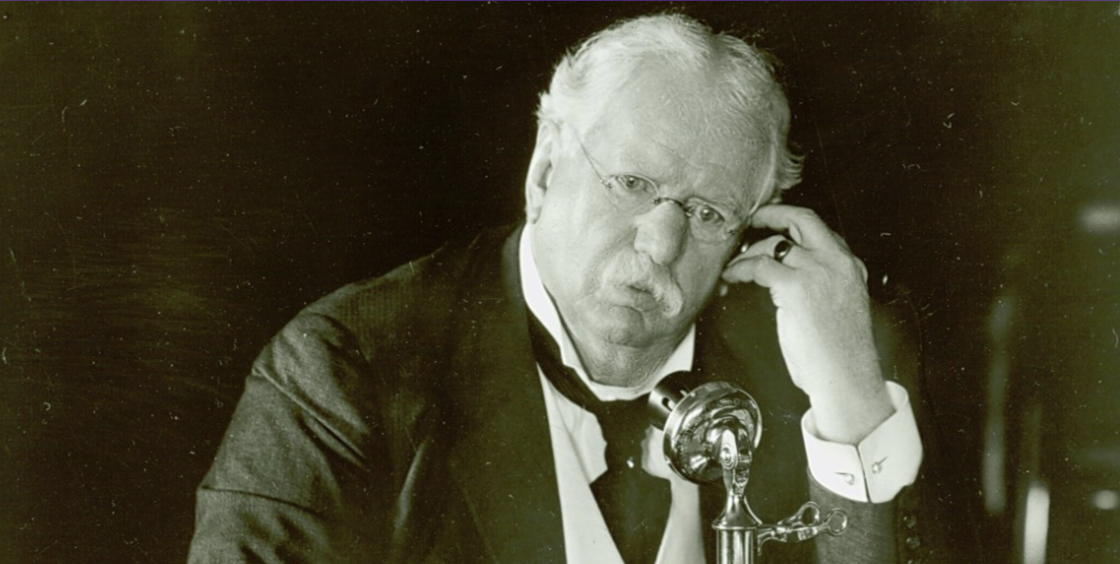
Join Section A for FreeThe switchboard exchange that opened in New Haven on January 28, 1878 with twenty-one subscribers turned the telephone into a network. Voice needed more of a line than a telegraph pulse did, so the loading coil and the vacuum-tube repeater had to be built before speech crossed the continent: on January 25, 1915, Bell in New York spoke to Watson in San Francisco, 3,400 miles away.
Theodore Vail, who had led AT&T in the 1880s and came back as its president in 1907, coined "universal service" to mean universal interconnection into one system. A letter an AT&T vice president sent to the Attorney General on December 19, 1913, traded competition for regulation, and the independents fell from 6,000 to roughly 2,000. The copper lines that the 1913 bargain paid for are being switched off in 2026, and the questions it answered are being argued again.