
Majority of Vendors Face Disruption Under FCC’s Foreign-Made Router Ban
New rules force companies to shift production or halt new device sales in the U.S. market.

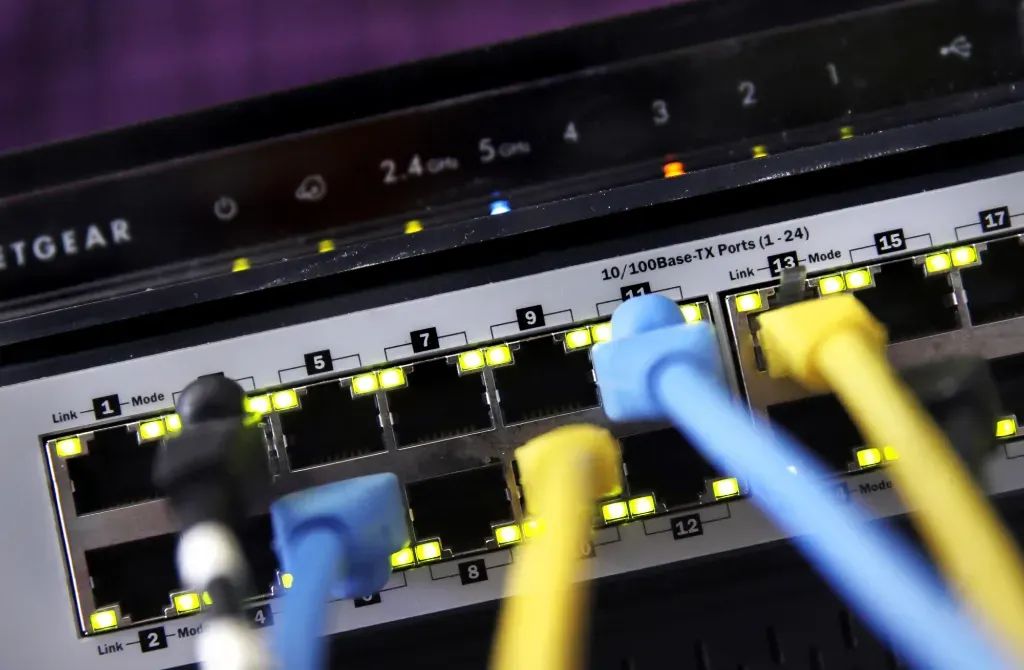
WASHINGTON, April 7, 2026 – The Federal Communications Commission’s new rules restricting foreign-made Wi-Fi routers are poised to impact nearly every major vendor in the U.S. market, according to a study.
Data from measurement company Ookla shows the breadth of the potential disruption. Ookla said that manufacturers Eero, TP-Link, Netgear, and Arcadyan will be among the most impacted, each holding roughly 9 to 10 percent U.S. market share.
The FCC’s order, adopted in March, bars authorization of new routers if any major stage of manufacturing, assembly, design or development takes place outside the United States.

Devices already approved can still be sold and used, but companies will be unable to introduce new models without shifting production domestically. Nearly all U.S. consumer routers were previously manufactured overseas.
Despite being some of the most impacted, major vendors including Netgear and ASUS have spoken out in support of the policy.
Netgear called it “a step forward” for national security and consumer protection. The company, however, still relies on overseas manufacturing in countries including Vietnam, Thailand, Indonesia and Taiwan.
ASUS, a Taiwan-based company, similarly said it remains confident in its supply chain and product security.
Scrunity from both Biden and Trump administrations
The rules follow years of scrutiny from both the Biden and Trump administrations over foreign-made networking equipment. Officials previously raised concerns about companies such as TP-Link, a major router manufacturer, and considered restricting its access to the U.S. market over ties to China.
The FCC said the order was prompted by cybersecurity threats. The agency linked foreign-made routers to recent cyberattacks, Volt, Flax and Salt Typhoon, targeting U.S. infrastructure.
“Malicious actors have exploited security gaps in foreign-made routers to attack American households, disrupt networks, enable espionage, and facilitate intellectual property theft,” the FCC wrote.
Consumer-grade routers sold in the U.S. are manufactured almost entirely in China, Taiwan and Vietnam.
“Foreign manufacturing cannot easily be relocated,” wrote Claus Hetting, CEO of Wi-Fi NOW, citing long-term contracts that would be costly to terminate.
Companies now face limited options. They can attempt to seek conditional approval but applications still request details of the applicant’s U.S. manufacturing and onshoring plan. The other options would be to immediately onshore to the U.S. or halt sales of new devices in the U.S. market.








Member discussion