
New York Reaches Deal with Securus to End Prison Phone Fees
Joins five other states in covering the cost of phone calls from prison.


August 4, 2025 – New York has become the latest state to eliminate the cost of phone calls from prison, joining California, Colorado, Connecticut, Massachusetts, and Minnesota in providing incarcerated people with free communication access.
Following the lead of New York City, which became the first jurisdiction in the country to provide free jail calls in 2019, the administration of Democratic governor Kathy Hochul (D) eliminated prison phone fees statewide in July. While several states have ended their prison phone fees through legislation, New York was the first state to do so by executive action alone.
According to the New York Department of Corrections and Community Supervision, starting August 1 prisoners can use their tablets or facility phones without any fees. A new telecom contract between the state and Securus Technologies sets the per-minute cost of calls at 1.5 cents, undercutting both the FCC’s proposed rate cap and California’s already-low 1.6-cent rate.

The state will now cover an estimated $5.4 million annually – the funds for which are included in the state budget – saving an estimated 30,000 families a combined $13.3 million each year.
“For decades, families across New York have had to choose between their essential needs and staying connected to their loved one behind bars,” Bianca Tylek, executive director of Worth Rises, a nonprofit that pushed for the policy, told The City. “Finally, relief is on its way, and it couldn’t be more timely.”
A recent three-week corrections officers’ strike has left in-person visitation limited in state prisons, underscoring the need for reliable, affordable, and accessible communication policies for prisoners.
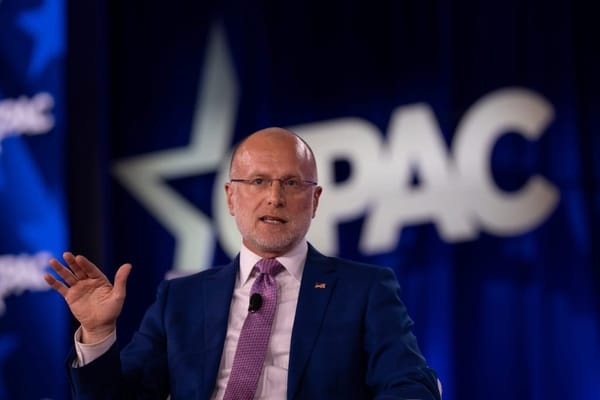
Additionally, on June 30 the Federal Communications Commission announced a two-year postponement of rules to reduce prison phone rates nationally, with Chairman Brendan Carr claiming the policy would have negative, unintended consequences on prison telecom providers.
Prior to the elimination of fees, New York prisoners were granted three free calls per week, up to 15 minutes each, but were subsequently required to pay 2.4 cents per minute plus service fees.
“This is about more than phone calls – it’s about fairness, family, and the kind of future we want for our communities,” said Democratic state Senator Jamaal Bailey. “New York just took a major step toward a more humane and just criminal legal system.”
State officials and experts predict that the benefits will transcend financial relief – easing tensions, reducing violence, and helping those behind bars prepare for life after prison. It has been proven that frequent communication with loved ones improves prisoners’ behavior inside and reduces the likelihood of reoffending once released. One study specifically found a 20% decrease in violence in prisons where phone access was expanded.
Despite their typical opposition to reforms, correction officers across the country have backed similar policies in their states based on the observation that stronger family ties can help create a calmer, more stable environment inside their facilities.
Department of Corrections and Community Supervision Commissioner Daniel Martuscello III said in a statement, “Understanding the value of family ties while in prison is crucial – not only for emotional support, but for improving an individual’s outcomes while incarcerated and when returning to society, thus reducing recidivism.”





Member discussion