
New York Surpasses 2025 Energy Storage Target
The state has reached nearly 2 gigawatts of storage capacity.

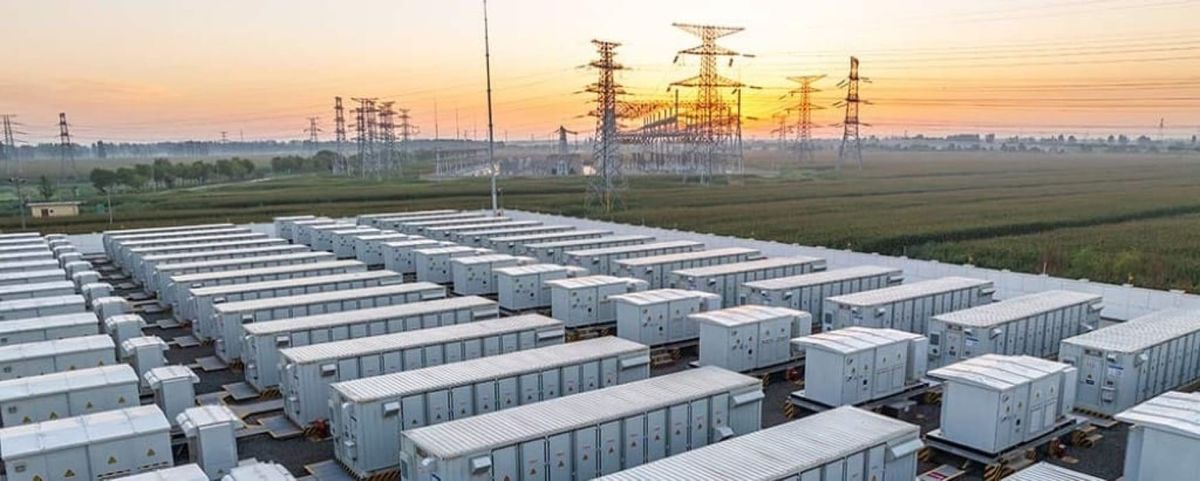
April 7, 2026 – New York has deployed, contracted, or awarded 1,952 megawatts of energy storage capacity as of March, surpassing its 1,500 MW benchmark for 2025 by 30 percent.
The total puts New York about one-third of the way toward its 6 gigawatt storage goal for 2030, according to the latest New York State of Storage report from the state’s Department of Public Service.
“This progress reflects years of coordinated policy, market development, and investment that are delivering results across the State,” New York State Public Service Commission Chairman Rory Christian said Monday.

Most of the capacity is still in development. More than 1.4 gigawatts have been contracted or awarded, compared to about 528 megawatts currently installed, indicating additional projects are already moving forward.
Retail and commercial storage account for the largest share of growth. More than 760 megawatts are in the pipeline, more than double the contracted bulk storage total.
Policies adopted under the state’s 2018 Energy Storage Order helped drive the growth, the report said, including financial incentives, utility procurement requirements, and market reforms.
Programs such as the New York State Energy Research and Development Authority’s Bridge Incentive reduced upfront costs, while changes to wholesale market rules and utility rates created new revenue opportunities for developers.
Regulators working on storage and wholesale markets
State regulators are also working to expand how storage participates in wholesale markets, including proposals to allow batteries to function as transmission assets and to increase participation from distributed energy resources.
Costs related to energy storage remain a factor but are declining. Bulk systems average about $524 per kilowatt-hour, while retail systems average about $666 per kWh. Projections show costs could fall below $100 per kWh by 2030.
Energy storage supports the state’s broader climate goals, including 70 percent renewable electricity by 2030 and a zero-emissions grid by 2040. Batteries can store excess renewable energy and supply power during peak demand, reducing reliance on fossil fuel generation.
New fire safety codes took effect in 2026 following battery incidents, state officials said. Participation in some utility programs varies by region, and regulators are continuing to refine market rules, they said. The current policy framework is working and does not require major changes, officials added.
With nearly 2 gigawatts secured, New York ranks among the nation’s growing second-tier markets. The state trails leaders like California, which has about 18.5 GW of storage, and Texas, which has roughly 12 GW, but it remains ahead of most other states.





Member discussion