NTIA Broadband Programs Announce Grants to Tackle Last-Mile Infrastructure
Recent policy talks have pushed for more focus on middle-mile with future funding from infrastructure bill money.

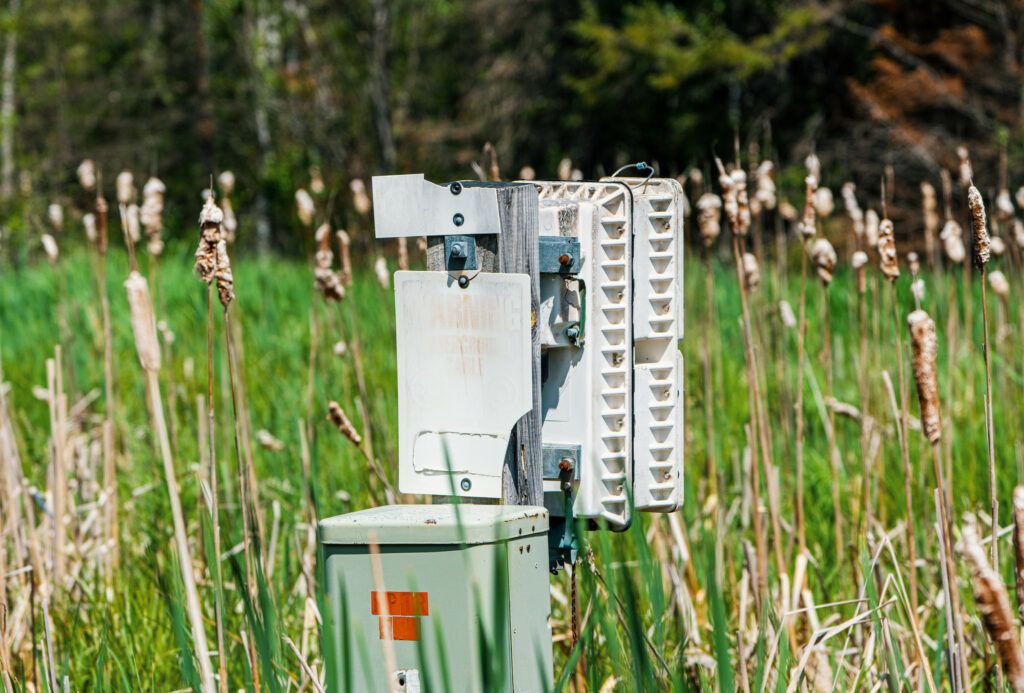
WASHINGTON, March 3, 2022 – The Broadband Infrastructure Program of the National Telecommunications and Information Administration announced this past week more than $277 million across over 13 projects primarily targeting last-mile infrastructure expected to connect 133,000 unserved households across 12 states and one U.S. territory.
The commerce agency’s Tribal Broadband Connectivity Program also announced Wednesday a commitment of $1 million to projects focused on connectivity in tribal regions, including the Pinoleville Pomo Nation in California and the Ketchikan Indian Community in Alaska. That program has now disbursed $4.8 million for 10 grants.
The larger funding amount will go to projects in Georgia, Guam, Kentucky, Louisiana, Maine, Mississippi, Missouri, Nevada, North Carolina, Pennsylvania, Texas, Washington, and West Virginia. In a separate release, Consolidated Communications announced its projects in Maine would receive $18.3 million from the agency’s programs.
As the NTIA’s programs have continued to approve grants on a rolling basis, policy discussions such as the agency’s infrastructure bill listening sessions have focused on advocacy for middle-mile funding.
The recently announced projects largely focus on fiber access and additionally target some anchor institutions to increase connectivity, with some middle-mile or transport funding.
Federal acquisition lags private-sector advances, creating deployment gaps across key defense technologies.
Deal hands WOW! to investment firms DigitalBridge and Crestview amid rising fiber competition.
On the FWA front, MoffettNathanson estimates the service accounts for more than half the traffic on Verizon, T-Mobile networks.
NVIDIA's CEO warned China now generates twice the U.S. electricity, builds data centers in months, and claims 70% of global AI patents.
Member discussion