NTIA not Sold on New Licensing for Subsea Cable Terminals

The Department of Homeland Security disagreed, saying it supported the FCC’s proposed licensing regime.

NTIA not Sold on New Licensing for Subsea Cable Terminals
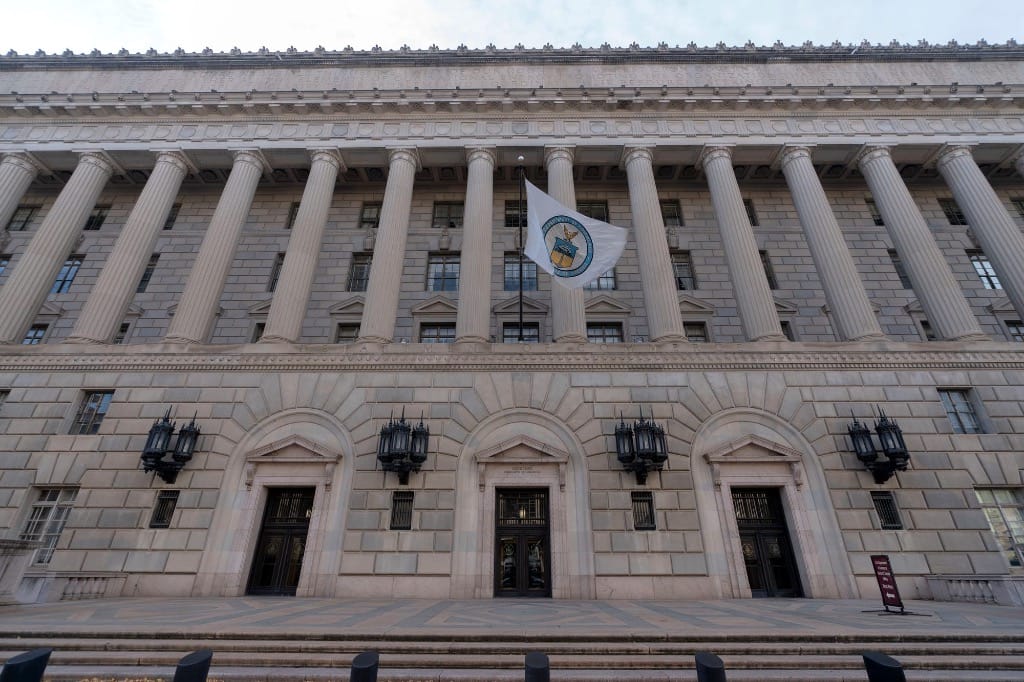
Photo of The U.S. Department of Commerce building in Washington on Saturday, Dec. 7, 2024, by Jose Luis Magana/AP

WASHINGTON, March 3, 2026 – The White House’s top telecom advisor isn’t keen on another agency’s proposal to expand licensing requirements to companies operating submarine cable terminals.

The Federal Communications Commission sought comment in August on issuing blanket licenses to companies operating those terminals, where submarine cables connect with terrestrial broadband networks. 

A licensing regime for those companies has been opposed by industry groups, but the FCC said in its August notice that federal law enforcement agencies had “identified substantial national security risks associated with” submarine line terminal equipment, or SLTE. Trade groups urged the agency in December not to move forward, arguing it would be redundant and burdensome.

In reply comments posted Monday, the Commerce Department’s National Telecommunications and Information Administration said the FCC shouldn’t dismiss that opposition.

“​​NTIA encourages the [FCC] to consider commenters’ feedback on the potential negative market impact of this regulatory expansion,” the agency wrote. “NTIA urges the [FCC] to consider limiting principles in any new requirements on SLTE owners, such as grandfather clauses, a notification regime, or developing a ‘trusted vendor’ safe harbor.”

While NTIA was receptive to industry opposition, the agency was eager to work with the FCC. NTIA proposed a new memorandum of understanding between the agencies “regarding submarine cables, providing a forum for the Commission to refine its SLTE license regulation among federal partners to avoid legal gaps.”

NTIA also suggested hosting at least one exercise with companies, the FCC, and Team Telecom, a federal law enforcement group that reviews deals and submarine cable licenses for national security concerns, and potentially publishing a report on how it goes.

“These tabletop exercises, which would invite stakeholders from across the ecosystem and simulate cable breach emergencies, are the best means to obtain rich and actionable information, reveal crucial gaps in the submarine cable threat information chain, and allow for the development of efficient and effective reviews and routine conditions,” the agency wrote.

In January, the Department of Homeland Security said that it disagreed with industry commenters and thought the FCC should move forward with a licensing scheme for SLTE operators.

“DHS believes that a ‘blanket’ license for SLTE owners is a good step to foster the resiliency of this critical infrastructure,” the agency wrote. “DHS does not believe there is a significant additional burden placed on large cable operators in applying the proposed approach.”

The agency asked that “any information provided by existing SLTE owners may be reviewed by DHS on request” and agreed with an FCC proposal to share that information without consulting applicants first.

Trade groups like the North American Submarine Cable Association and NCTA have continued to meet with FCC staff to oppose the proposed rule.

Member discussion

Popular Tags