NTIA to Review Federal Spending on Broadband, Tech for Education

The agency is holding an online listening session on the issue Dec. 10.

NTIA to Review Federal Spending on Broadband, Tech for Education
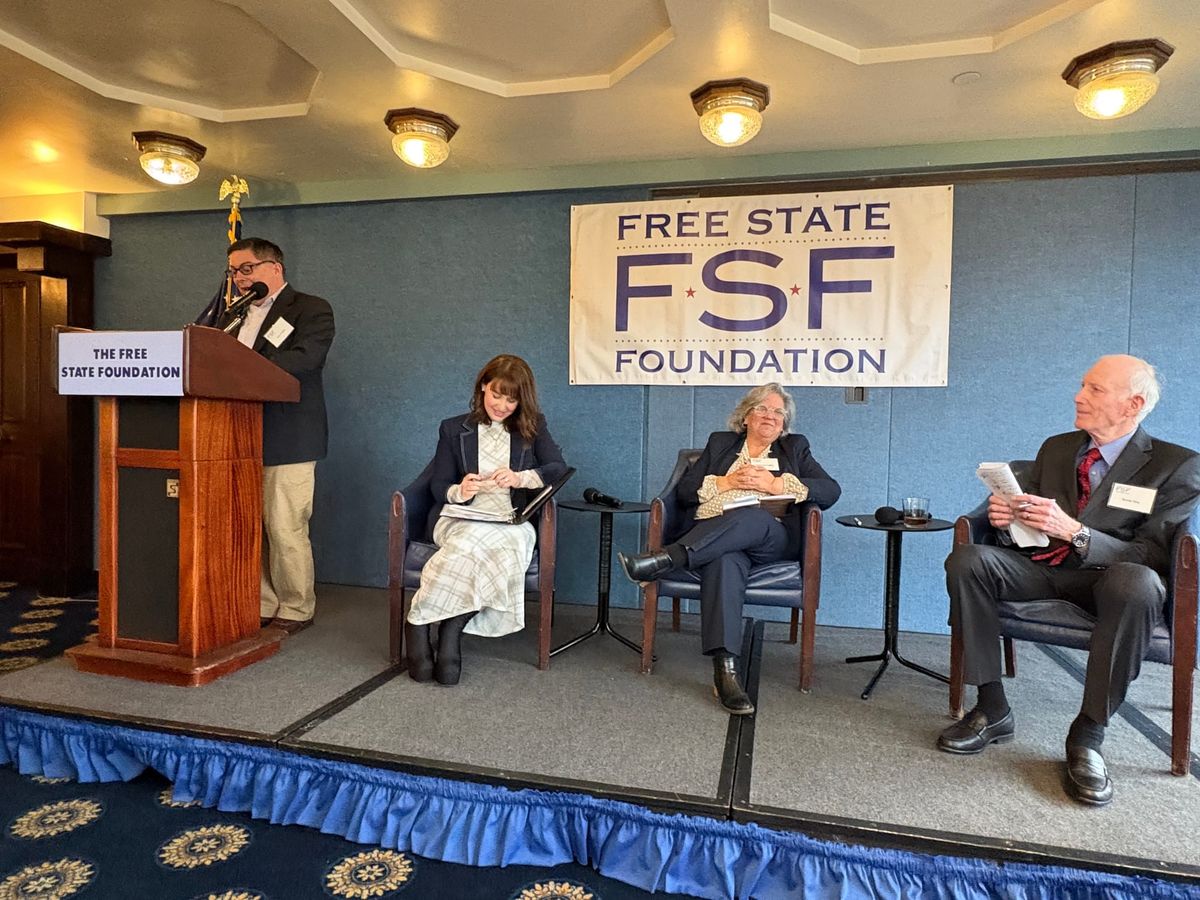
From left: Mike O'Rielly, former FCC commissioner and senior fellow at the Free State Foundation; NTIA Administrator Arielle Roth; Deborah Collier, vice president of policy and government affairs at Citizens Against Government Waste; and Randolph May, president of the Free State Foundation

WASHINGTON, Dec. 2, 2025 – The National Telecommunications and Information Administration is starting an effort to review technology use in schools, including federal broadband spending on educational technology.

NTIA Administrator Arielle Roth cited concerns over excessive screen time in schools, with devices becoming more ingrained in the teaching process after the pandemic.

“We are coordinating across the administration and talking with leading experts,” Roth said Tuesday at a Free State Foundation event here. “We will also be looking closely at how federal subsidies and connectivity targets may be pushing schools toward more device use, often without asking whether it helps children learn.”

Asked whether there were particular government programs she anticipated scrutinizing, Roth said the Federal Communications Commission’s efforts to “expand kids’ unsupervised access to screen time” under the Biden administration were “a wake-up call to me personally,” but that the agency’s review was “certainly not limited to that.”

The FCC had under Biden expanded its E-Rate program, which subsidizes broadband services for schools and libraries, to fund Wi-Fi hotspots that students could use off-campus and Wi-Fi connectivity on school buses. 

Both of those moves have been rescinded under current FCC Chairman Brendan Carr, who dissented from them as a commissioner.

The Senate, led by Sen. Ted Cruz, R-Texas, passed a measure earlier this year that would bar the agency from reinstituting the hotspot rule in the future. The House hasn’t passed its own resolution.

Roth said the NTIA was holding an online listening session on the issue on Dec. 10.

“If you have insights, now is the time to add your voice,” she said. “We will use this feedback to inform our analysis of screen use in schools, the role of federal rules and incentives in shaping device and platform markets, and the practices of edtech platforms, particularly regarding children’s data.” 

Roth said that while NTIA doesn’t have authority to set educational policy, it did have a role in reviewing whether broadband and connectivity spending was meeting its goals.

“There’s an oft-repeated claim that more devices and more connectivity will ‘close the homework gap’ and ‘level the playing field’ for low-income students. These assumptions deserve real scrutiny,” she said.

The term homework gap, a reference to the difficulty students have in completing homework without adequate broadband, was coined by former FCC Chairwoman Jessica Rosenworcel, who led the agency when it undertook the E-Rate expansions Carr has now rolled back.

Member discussion

Popular Tags