Oklahoma BEAD Results May Take Years to Measure for Ag
Oklahoma’s earlier broadband investments suggest the economic effects of connecting underserved communities


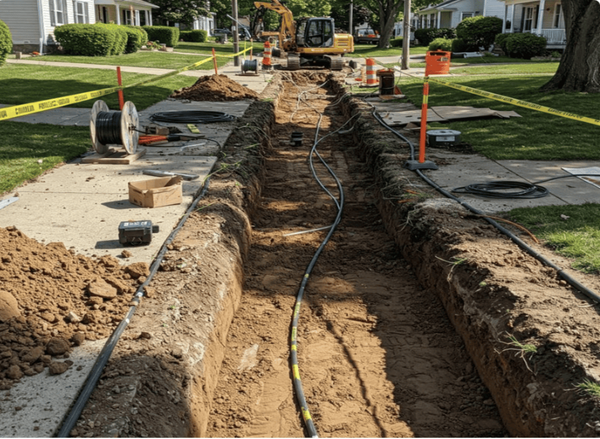
WASHINGTON, Sept. 15, 2026 – Oklahoma’s $574 million investment in broadband deployment could produce measurable economic gains in rural communities, but the state may need to wait years before it can determine whether the program worked.
That is the conclusion of Jayash Paudel, an associate professor of economics at the University of Oklahoma, in a Sept. 8 guest column published by The Oklahoman. Paudel examined the results of an earlier federal broadband program in Oklahoma and argued that policymakers should not judge the Broadband Equity, Access, and Deployment program by its earliest results.

The researchers found that broadband’s effects on agricultural productivity developed gradually. Crop productivity increased about 4 percent in the year a community received a grant, a result that was not statistically significant. By the third year, productivity was 9.3 percent higher, reaching nearly 12 percent by the fifth year.
Federal officials approved Oklahoma’s BEAD plan in April. The state expects the program to connect more than 40,000 homes, farms and community institutions across all 77 counties, with service targeted to be operational by the end of 2028.
Paudel and co-author Minhae Kim of Oklahoma State University analyzed two decades of data from communities that received broadband funding through the Community Connect Grants program between 2002 and 2017. Oklahoma received more Community Connect projects than any other state.
The benefits were also concentrated in lower-income communities. Productivity in the lower half of communities by income increased 6.3 percent in the first year and 13.8 percent by the fifth year, while researchers found no statistically distinguishable effect in higher-income areas.
Grant size also mattered. The largest quartile of grants produced productivity gains of about 11 percent in the first year and 15 percent by the fifth year. The smallest grants produced no detectable effect.
Paudel cautioned that the findings do not show that broadband funding increased farm income or reduced expenses. The research found no significant change in the number of agricultural businesses, farm income or expenses.
For BEAD, Paudel said the timing of the evaluation will be critical. Because Oklahoma’s connections will come online in stages through 2028, the farms connected last may not show measurable effects until around 2031.