
Oregon, Idaho Release BEAD Plans
Both would get fiber to roughly half of their BEAD-funded locations, about 53 percent in Oregon and 49 percent in Idaho.


WASHINGTON, Sept. 15, 2025 – Oregon and Idaho released drafts of their final spending plans under the Broadband Equity, Access, and Deployment program Monday, bringing the total to at least 41.
The states will accept public input on them for seven days before submitting them to the Commerce Department for approval. That federal approval is the last step before state broadband offices can begin funding projects under the $42.45 billion program.
Both would get fiber to roughly half of their BEAD-funded locations, about 53 percent in Oregon and 49 percent in Idaho. Satellites took a bigger share in Oregon at nearly 46 percent compared to Idaho’s 25 percent. The remaining locations in each state would get fixed wireless.

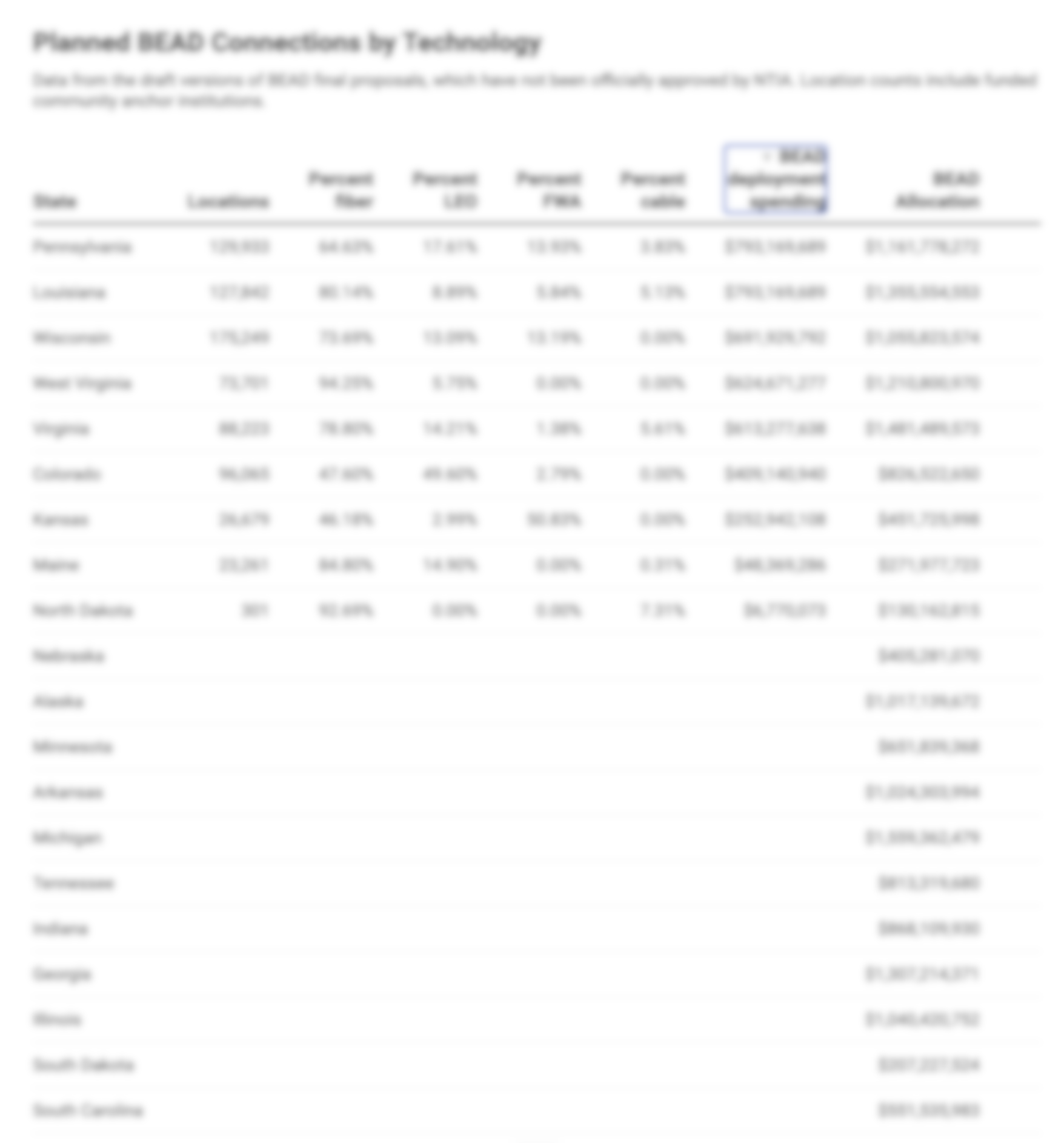
Among the states that have reported results so far, about two-thirds of BEAD locations are slated for fiber. Satellite would see about 20 percent, with fixed wireless at about 9 percent and cable at about 3.
Those awards are tentative though, as Idaho broadband director Ramón Hobdey-Sánchez emphasized in an email to stakeholders. Commerce’s National Telecommunications and Information Administration is looking to trim state spending further and alter the most expensive projects, people familiar with the process have said.
At least 33 states have already taken public comment and submitted plans to NTIA. That was supposed to be done by Sept. 4, but the agency gave some states extension on the deadline. The agency is aiming to approve state plans by the end of the year.
States have been coming in under budget with cost savings
States have generally been coming in under budget with cost savings being a major goal of the Trump administration. Oregon, however, plans to use more than 90 percent of its $689 million allocation under the program, the most of any state to report so far. Idaho would spend about 75 percent of its $583 million allocation.
It’s not clear what will happen to money allocated to states that doesn’t end up being used for broadband deployment. States had been expecting to use the money for “non-deployment” purposes like workforce development or broadband adoption programs, but the Trump NTIA isn’t eager to see much of that. The agency in June put a hold on any such activities, with more guidance pending.
Louisiana Gov. Jeff Landry, a Republican, has asked the Commerce Department to allow states to keep the money, arguing the law requires it. He suggested requiring states to use the money for boosting AI or “America First” policies, which overlap with some states’ existing priorities. Louisiana would have more than $850 million in non-deployment funds under its draft final proposal.
It’s not yet clear if more states will join Landry’s bid to hang onto their full BEAD allocations. Oregon and Idaho did not mention the issue in their plans or in press releases.






Member discussion