Oregon Pushes Back on Lifeline Fraud Findings
State regulators said federal policies kept some deceased Lifeline subscribers active.

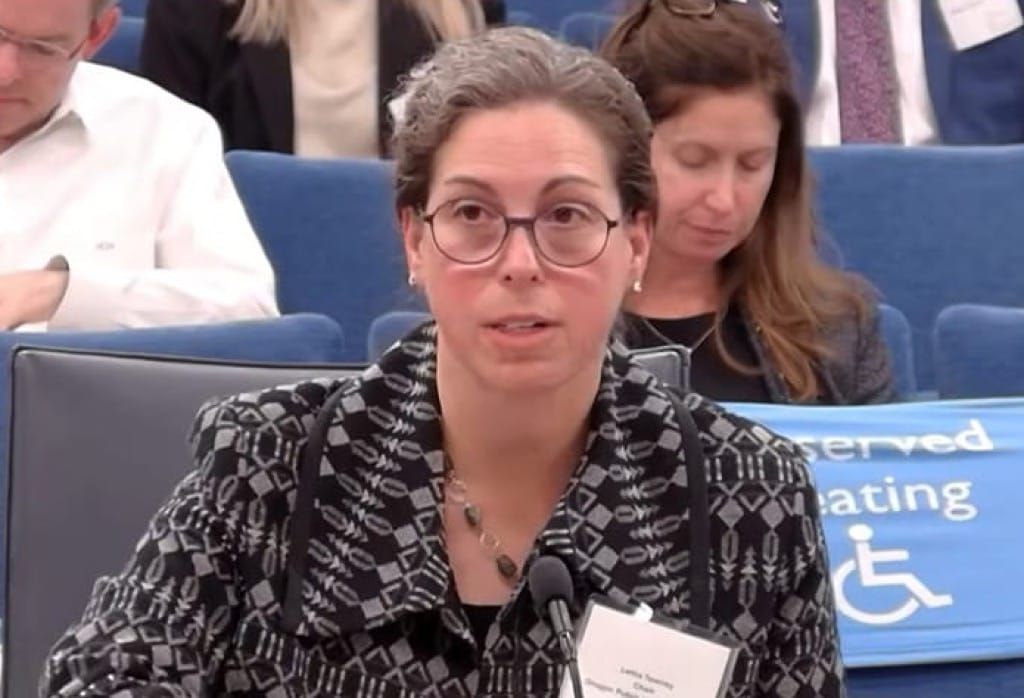
WASHINGTON, April 30, 2026 – The Public Utility Commission of Oregon is disputing federal findings that identified payments to deceased participants in the Lifeline program.
In a filing with the Federal Communications Commission, Oregon regulators said Friday delays in reporting and temporary COVID-19 program waivers contributed to some inactive or deceased subscribers remaining enrolled longer than usual.
The response follows a January advisory from the FCC’s Office of Inspector General that found about $5 million in payments to deceased individuals. Federal officials did not characterize all of those payments as confirmed fraud but raised concerns about potential waste and oversight gaps.

The FCC identified 2,220 deceased Lifeline subscribers in Oregon between December 2020 and September 2025. State regulators said they had already removed 1,014 of those subscribers, about 46 percent, prior to the federal review.
Oregon attributed the remaining lag to delays in receiving death data, which it said historically arrived on a quarterly basis, creating an average lag of about 11 days. The state said it is transitioning to daily updates to shorten that window.
Oregon also pointed to FCC COVID-19 waivers as a contributing factor, saying suspended recertification and non-usage rules allowed some accounts to remain active longer than normal. Officials said 314 subscribers, about 14 percent, would have been removed earlier under standard rules.
The state also disputed federal data, saying it identified only one case of enrollment after death compared to 21 found by federal investigators, citing differences between state records and federal datasets, such as the Treasury Department’s Do Not Pay system.
The findings come as lawmakers consider the No Lifeline for Dead People Act, introduced Feb. 26 by Sen. Joni Ernst, R-Iowa, which would strip Oregon and Texas of their authority to run independent Lifeline eligibility systems and centralize control at the federal level.
The FCC revoked California’s authority to run its own system in November after finding most flagged deceased cases were concentrated there, leaving Oregon and Texas as the only remaining opt-out states. FCC Chairman Brendan Carr has been outspoken about “waste, fraud, and abuse” in the program.
Oregon regulators said the FCC’s findings reflect data visibility issues, and argued similar issues may exist in other states without comparable analysis.
The Lifeline program provides a $9.25 monthly subsidy for phone or broadband service and was supported by about $943 million from the Universal Service Fund in 2024.