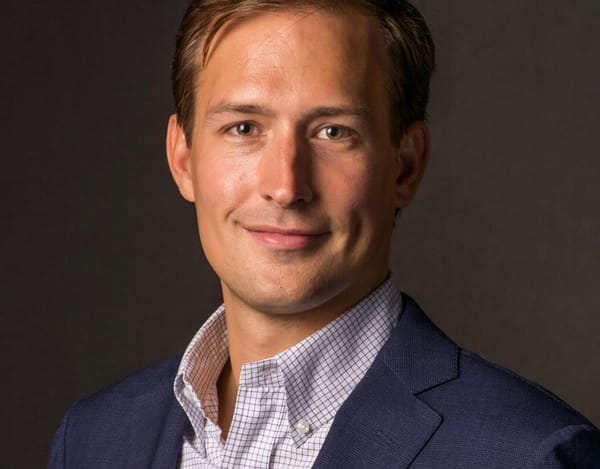
ReConnect Rep Warns of ISPs Asking for More Subsidies Than Needed for Builds
Shekinah Pepper said Wednesday tribal communities should be on alert for service providers asking for chunks of subsidies upfront.
WASHINGTON, Feb 3, 2022 – Shekinah Pepper, the general field representative for the Department of Agriculture’s ReConnect program, warned tribal communities Wednesday that internet service providers may try demand from them more of their program subsidies than they need to build out broadband in their areas.
At an event hosted by the Agriculture Department, Pepper said that he has heard of different tribes that have been approached by service providers who demand that they give them 25 percent — or more — of their subsidies upfront for a build.
“When people start asking for money up front, I would be a little cautious,” said Pepper, adding if a tribe is approached by an ISP that wants a down payment, Pepper encourages awardees to confer with their general field representative as a precaution before moving forward.
“With the amount of money flying around, you do get groups that are out there looking for easy prey, and we just don’t want to see that happen,” Pepper said.
Wednesday’s event was convened to discuss the allocation of grant money to tribal and underserved communities in its third round of distribution, whose deadline for applications is February 22. Currently the program has about $1.15 billion dollars to distribute amongst different broadband projects.
The ReConnect Program is a subset of the Rural Utilities Service, an office within the Department of Agriculture. The program provides funding to broadband project across the country through grants, loans, or a combination of both. The program has put away $350 million in grants that can only be awarded to tribal communities or underserved communities.
Based on tentative results, about 65% of BEAD locations are in line for fiber. Another 22% will get satellite, and 10% will get fixed wireless.
CAR says the 39% Cap is stifling free markets and failing to check the power of Big Tech and Big Hollywood
The commercial boom in AI has sparked interest in humanoid robots. Around 50 companies are investing heavily in humanoid development.
The change affects all foreign-owned satellite internet providers that operate in South Africa.
Member discussion