
Rep. Richard Hudson Says He Fought For BEAD Funding
He said he believed strongly in the Broadband Equity, Access and Deployment program, and wanted to ensure that the funds were spent.

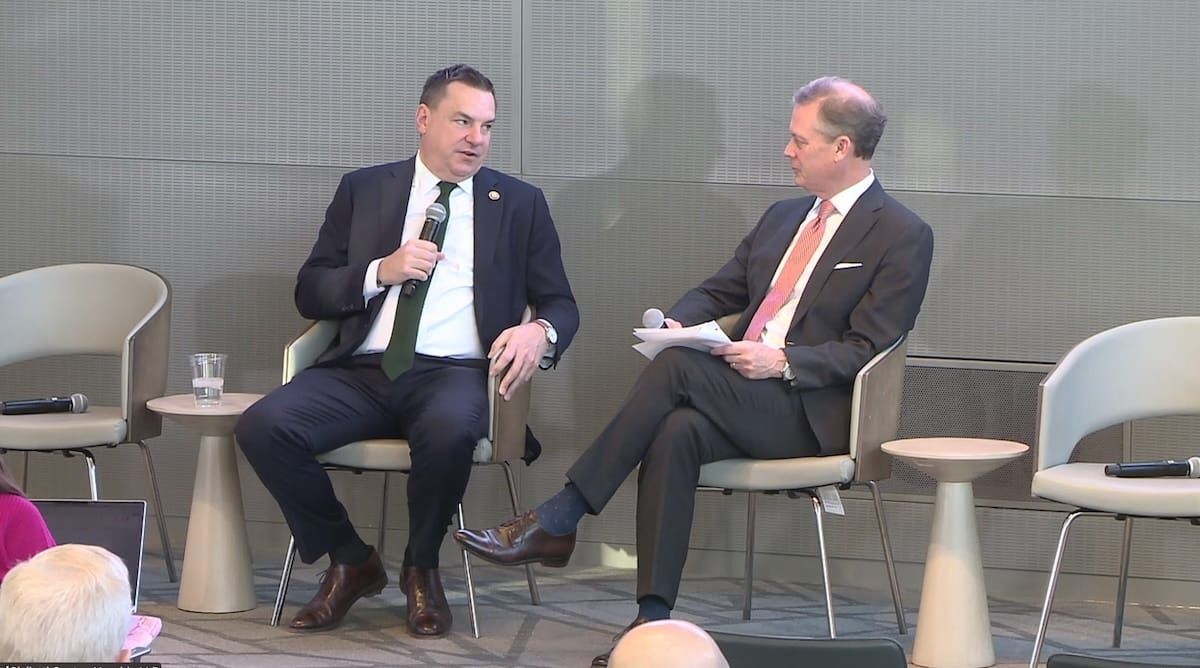
WASHINGTON, Feb. 4, 2026 – Energy and Commerce Subcommittee Chairman Richard Hudson R-N.C., said Wednesday that he fought to ensure federal broadband funds were spent despite pressure from other House Republicans, who wanted to cancel the program.
Hudson, who heads the subcommittee on communications and technology, was speaking at the INCOMPAS Policy Summit here. He said he believed strongly in the Broadband Equity Access and Deployment program, and wanted to ensure that the funds were spent, and not returned to the federal Treasury.
He said he wrote the SPEED for BEAD Act, H.R. 1870, as a way to signal to President Donald Trump, and other Republicans, that BEAD should go forward and not be clawed back to the federal Treasury. The measure has not been scheduled for a hearing.

“It was for an audience of one,” Hudson said, adding that he never expected it to become law, but was designed to highlight the importance of spending BEAD funds quickly.
Hudson said he believes that the National Telecommunications and Information Administration has been doing a good job getting BEAD funds deployed.
“I’m anxious: Let’s get some shovels going and get this broadband deployed,” he said.
Broadband Breakfast will be covering remarks by individual members of Congress in the Broadband Community Discussion Forum, from the INCOMPAS Policy Summit. (Free signup required.)






Member discussion