
Report: Wisconsin Added 163K Fiber Connections Last Year
The state’s Task Force on Broadband Access called for state investment following Trump cuts

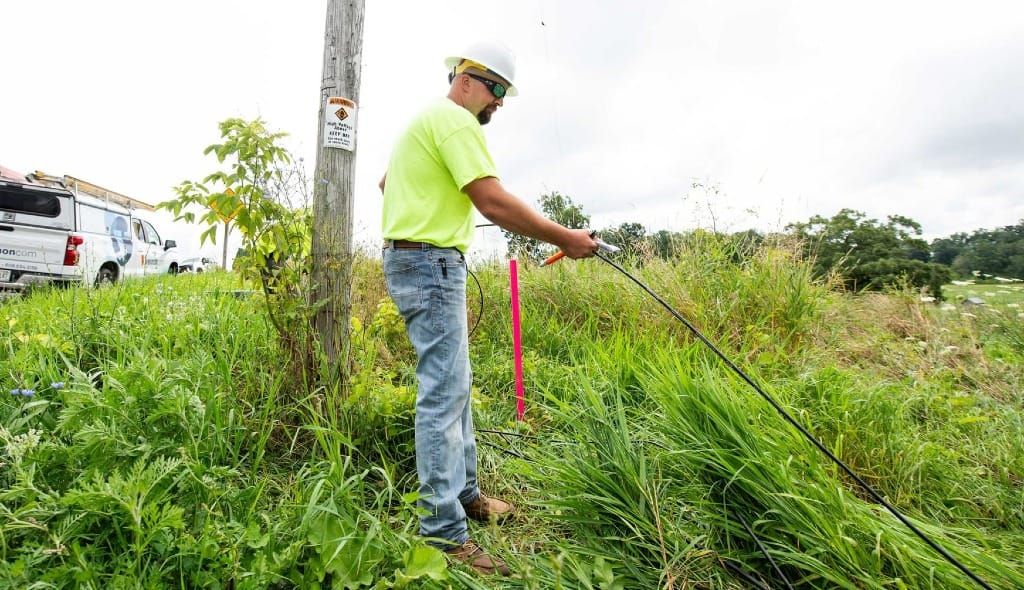
July 7, 2025 – Internet service providers added 163,000 new fiber connections in Wisconsin in the past year, according to a new state broadband report.
The Governor’s Task Force on Broadband Access released its 2025 report to the Governor and Wisconsin State Legislature on June 30, celebrating record progress in broadband deployment and adoption across the state. But also, lamenting that recent federal funding cuts may jeopardize the state’s momentum.
“Many of the past recommendations that were enacted are resulting in significant measurable progress for internet access and adoption in Wisconsin,” the report states. But “the work is not done.”

FROM SPEEDING BEAD SUMMIT
Panel 1: How Are States Thinking About Reasonable Costs Now?
Panel 2: Finding the State Versus Federal Balance in BEAD
Panel 3: Reacting to the New BEAD NOFO Guidance
Panel 4: Building, Maintaining and Adopting Digital Workforce Skills
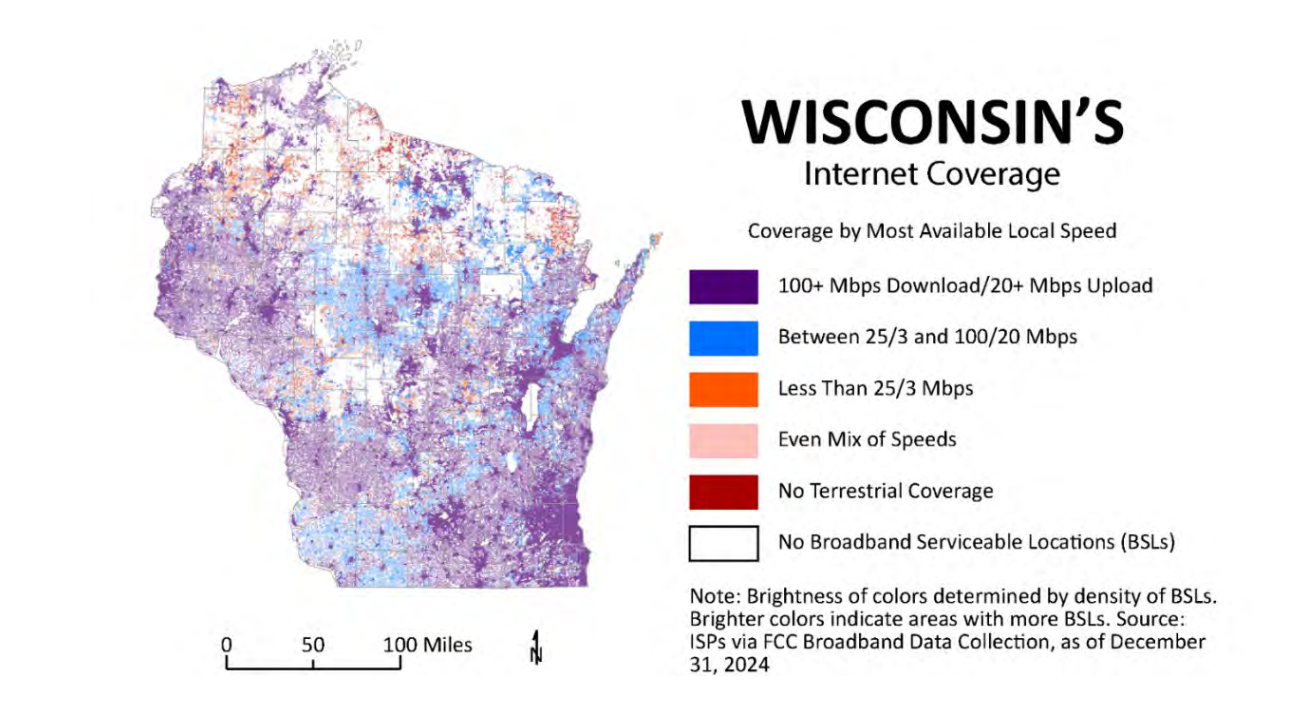
Internet service providers added 163,000 new fiber connections to Wisconsin homes and businesses since the Task Force’s last annual report; serving 93,000 unserved locations with high speed internet service; and, resulting in the number of unserved locations statewide to decrease by 28%.
The task force reported home internet subscription rates for Wisconsin households rose to 89.2 percent, an increase from 87.7 percent in the 2024 report. The survey also showed 94 percent of Wisconsin households with a computer, a 1.1 percent improvement from the prior year's report.
Federal cuts threaten momentum
Still, the Task Force warned that progress could slow without renewed investment, particularly from the state legislature, given the loss of key federal funding programs.
“Federal programs can end, change, or get delayed,” the report states. “But when Wisconsin invests funding and makes policy advances, real progress can keep happening.”
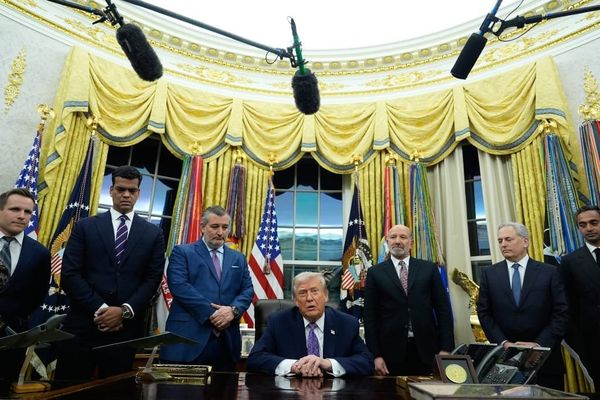
In May 2025, Wisconsin was notified that the State Digital Equity Planning and Capacity Grants were unilaterally terminated by President Donald Trump, despite the state and other stakeholders having spent almost two years obtaining approval and preparing for fund deployment.
Wisconsin’s planned use for the terminated award of more than $13 million was to fund and grow digital navigator programs, a key recommendation from the Task Force’s last three reports. According to the Task Force, the abrupt loss of this essential funding will negatively impact efforts to improve internet adoption and digital literacy across the state.
Evers' $400M broadband ask
Wisconsin Governor Tony Evers, D, alongside the Task Force had previously requested $750 million in state funding to support broadband adoption initiatives in 2023, but Republicans on the Joint Finance Committee rejected the proposal, citing an expected influx of federal dollars at the time. Now, with those funds delayed and key digital equity grants terminated by the Trump administration, the state faces a widening gap.
As Broadband Breakfast previously reported, Evers renewed his call in June for a $400 million investment in broadband as part of his 2025–2027 executive budget — a response to what he called “make-or-break” changes in federal policy governing the $42.45 billion Broadband, Equity, Access and Deployment program, including the deprioritization of fiber, removal of affordability requirements, and the elimination of local input from the BEAD program.
Affordability remains a barrier
Broadband affordability also remains a major barrier for many households. The report notes that internet prices rose by about 17% from 2023 to 2024 across both rural and urban areas.
Roughly 39 percent of households in served areas are now considered cost burdened, meaning internet service costs more than 1.17% of their monthly income. In high-poverty census tracts, that figure rises to 72 percent.
Meanwhile, more than 427,000 Wisconsin households lost access to discounted service following the expiration of the federally funded Affordable Connectivity Program in May 2024.
Looking ahead
The report urges the Task Force to continue advancing the goals set in 2024, which aim to provide all homes and businesses with broadband speeds of at least 100 Megabits per second (Mbps) download and 20 Mbps upload by 2029; ensure community anchor institutions have access to gigabit-level symmetrical service by 2029; and, expand access to even faster “future proof” speeds — up to 1000/100 Mbps — where feasible; and use terrestrial fixed wireless solutions to serve hard-to-reach areas.
The Task Force was established through an executive order by Gov. Evers on July 14, 2020. The Task Force is responsible for advising the Governor and Wisconsin State Legislature on broadband actions and policy, with focus primarily placed on strategies for expanding high speed internet to every household, business, and organization in the state; initiatives for digital inclusion; and plans to unlock and optimize “the benefits of statewide, affordable access to broadband for all communities in Wisconsin.”







Member discussion