
RWA Concerned After Second EchoStar Spectrum Deal
The $17 billion sale will boost SpaceX's direct-to-device service in remote areas.

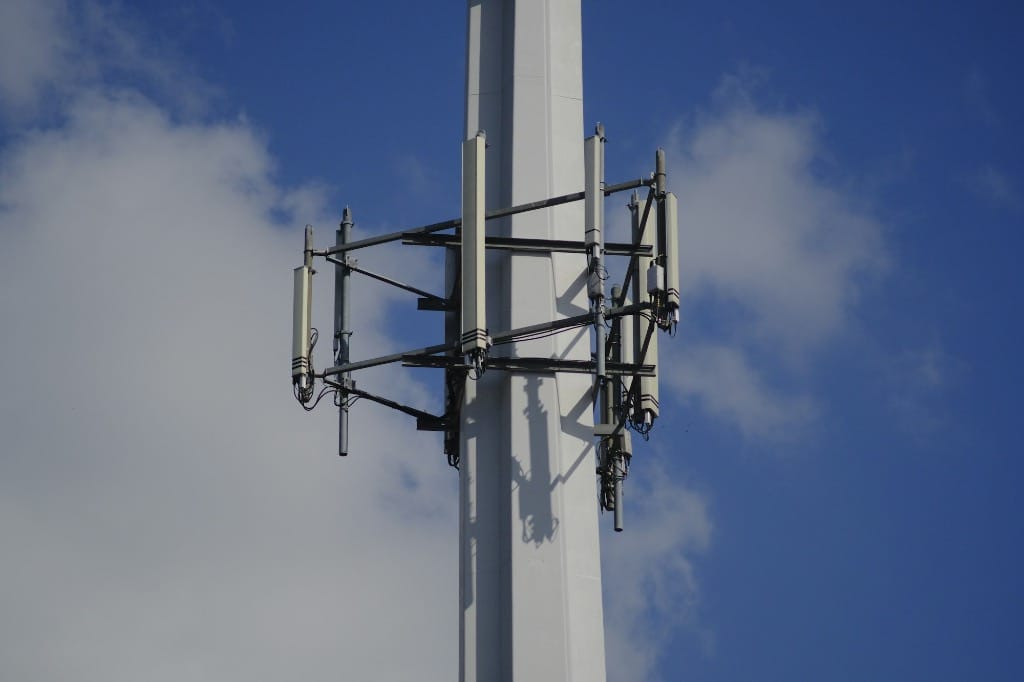
WASHINGTON, Sept. 8, 2025 – The Rural Wireless Association is asking regulators to scrutinize EchoStar’s spectrum sale to SpaceX and other deals in the wireless industry, fearing the effects on rural wireless carriers.
EchoStar, with its spectrum utilization under scrutiny from the Federal Communications Commission, announced a $17 billion spectrum sale to SpaceX on Monday, weeks after another $23 billion sale of licenses to AT&T. EchoStar is set to decommission its physical network, but its subscribers will be connected by AT&T’s infrastructure and would have access to SpaceX’s direct-to-device satellite service as part of the deals.
“This new hybrid mobile network operator and satellite service mechanism is a big unknown and could relegate rural Americans to subpar service,” Carri Bennet, RWA’s outside counsel, said in a statement. “As new technologies and partnerships emerge, it’s critical that rural stakeholders are part of the conversation, and that the regulatory framework keeps pace.”

UScellular’s operations were also recently acquired by T-Mobile, along with a third of its spectrum. The regional carrier is in the process of selling off the rest of its licenses to AT&T and Verizon in billion-dollar deals.
RWA and others have urged the FCC to review the UScellular deals collectively, arguing the three major carriers were divvying up their second largest competitor to the detriment of small rural providers. It’s not necessarily friendly territory: the FCC approved the T-Mobile deal, which recently closed, and chairman Brendan Carr has said he wants EchoStar spectrum put to more intensive use by another entity.
Rural carriers also say their financial situation is getting more and more dire, as roaming revenues decrease and larger providers compete directly in the only profitable parts of rural America. Two companies have asked the FCC to provide stopgap funding to keep essential but money-losing sites online, and groups like RWA have asked the FCC to consider ongoing opex support similar to that offered to rural wireline ISPs.
RWA said it “urges the FCC and Department of Justice to closely scrutinize [the EchoStar/SpaceX] deal and the other pending transactions involving the nationwide mobile wireless carriers to ensure the public interest is protected and prevent decreased competition and increased prices,” and called on the FCC to “clarify its plans for supporting rural connectivity during this rapid change in the wireless market” and explore ways to keep rural wireless carriers competitive.
A fourth competitor?
Dish, owned by EchoStar, was supposed to become a fourth national wireless competitor after T-Mobile bought Sprint in 2020. With that prospect out the window, analysts were contemplating SpaceX’s position relative to the big three carriers.
In what he said was a potentially provocative take, Michael Calabrese, head of New America’s Open Technology Institute, said in an email that SpaceX appears to have the necessary tools to compete directly with the wireless carriers.
“SpaceX can potentially use Echostar’s MSS spectrum to enter the mobile market as a competitor without needing to rely on mobile carrier spectrum, as it does for its texting service with T-Mobile,” he said. “SpaceX’s Direct to Cell concept envisions 4G-level connectivity, which is all most mobile customers need or want outdoors. Through EchoStar’s Boost it already has a terrestrial provider and access to a MVNO agreement via AT&T.”
“In some ways,” he said, “This is a variation on the recipe that Comcast and Charter used to enter the mobile market and accrue 20 million subscribers by leveraging a Wi-Fi first network with MVNO backup coverage by Verizon.”
MoffettNathanson founder Craig Moffett said in an investor note that SpaceX was unlikely to try to be a full-fledged fourth competitor. He noted that SpaceX wasn’t interested in EchoStar’s 25,000 terrestrial wireless sites – to be eventually decommissioned after the AT&T deal – and only has 50 megahertz of exclusive spectrum.
“Going up against the incumbent carriers with these disadvantages” appeared a worse idea than “partnering with them to leverage SpaceX’s legitimate advantages,” he wrote.
New Street’s Philip Burnett agreed on the fourth competitor front, but he said in a note that SpaceX could potentially use its direct-to-device service to compete with something resembling a converged broadband offering in very rural areas.
“In rural areas, Starlink can offer internet services to households using its existing fixed satellite service offerings,” he wrote. “With a more robust D2D service that relies on AWS-4 and PCS H-Block, SpaceX will be able to offer something that resembles existing wireless services in especially remote rural areas.”
Tim Farrar, founder of TMF Associates, noted in a blog post that device manufacturers like Apple would have to get on board for consumers to access the spectrum in the near future. He said no current phones support the airwaves SpaceX bought.


Member discussion