
Senators Propose Task Force to Tackle Foreign Robocall Threat
FCC-led task force would strategize to stop international robocall fraud.

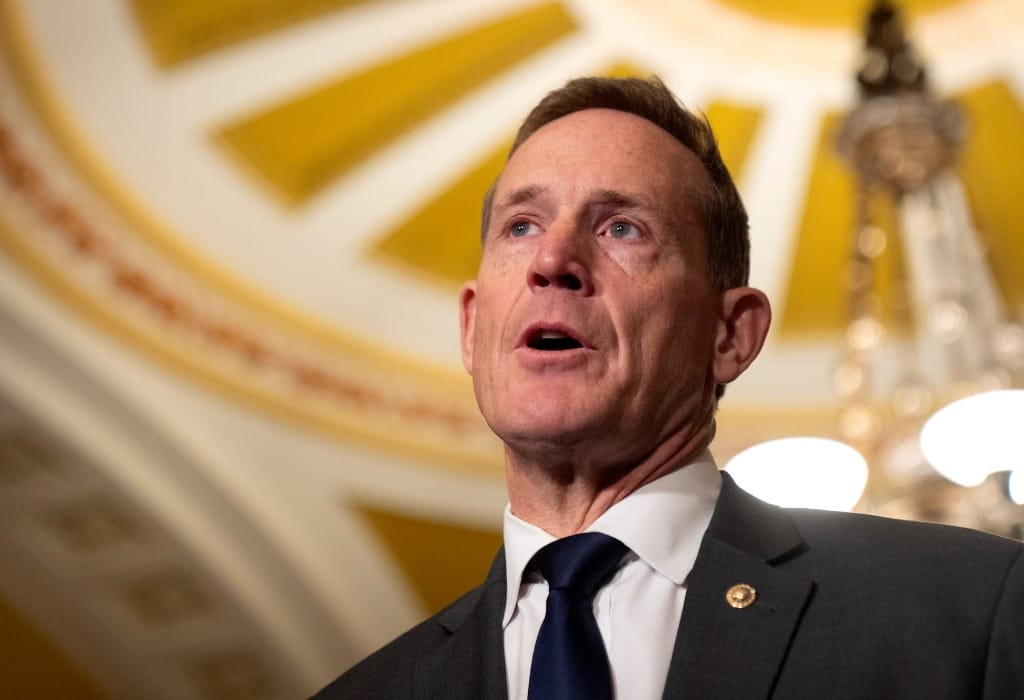
WASHINGTON, August 6, 2025 – A new Senate bill would require the Federal Communications Commission to create a task force focused on stopping robocalls that originate from outside the United States.
Sens. Ted Budd, R-N.C., and Peter Welch, D-Vt., introduced the Foreign Robocall Elimination Act on Friday. The task force the bill directs the FCC to stand up would include representatives from key federal agencies and the private sector, including experts in telecom, marketing, and consumer protection.
“With many robocalls originating overseas, combining the efforts of government agencies in charge of protecting Americans from scams with private sector expertise will help us stay ahead of cutting-edge technologies used by foreign criminal enterprises,” Budd said in a release.

The task force would consist of a member from each federal agency that the chairman of the FCC, chairman of the Federal Trade Commission, and Attorney General deem necessary, as well as seven representatives of private sector entities.
Once convened, the bill stipulates that within 360 days, the task force was to “prepare a report on unlawful robocalls, which shall contain recommendations and advice for federal agencies with jurisdiction relevant to combating unlawful robocalls, and for Congress, regarding the most effective ways to combat unlawful robocalls made into the United States from outside the United States.”
The bill lists a number of specific items for the task force to study and include in their report, including identifying which countries are the major sources of unlawful robocalls; determining how many identities in the U.S. were stolen due to unlawful robocalls; examining ways to encourage foreign countries to adopt caller ID authentication technology; exploring international collaboration options for authenticating and verifying calls; and evaluating if increasing criminal penalties based on robocall volume would act as a deterrent.
The bill has already received endorsement from the American Association of Retired Persons (AARP) and USTelecom.
“This legislation represents a critical next step in protecting Americans from fraudulent and abusive robocalls originating from outside the United States,” AARP Senior Vice President for Government Affairs Bill Sweeney said in a release.
“Older Americans are disproportionately targeted by robocall scams, which often lead to financial loss, identity theft, and emotional distress. These calls not only exploit individuals but also erode trust in telecommunications systems and public institutions,” Sweeney said.




Member discussion