
South Carolina Plans to Spend Less Than 8% of Original BEAD Allocation
New York also released tentative grant winners under the Broadband Equity, Access and Deployment grant program, bringing total to 43 states

Jake Neenan
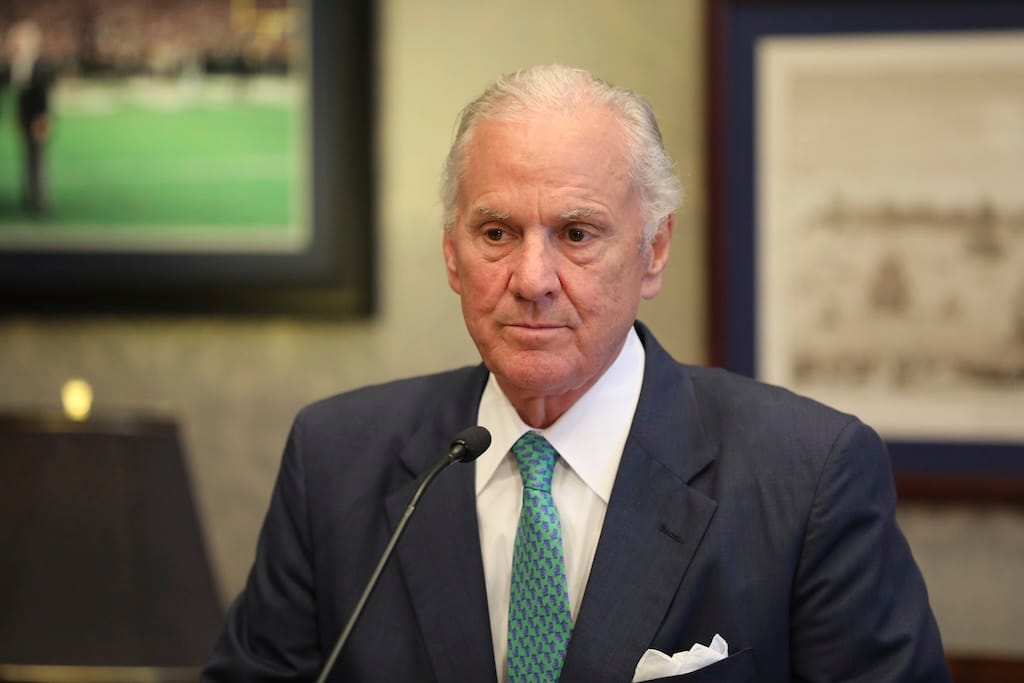
WASHINGTON, Sept. 19, 2025 – South Carolina’s broadband office would need less than 8 percent of its 2023 BEAD allocation to meet unserved locations, the state said under a plan released Friday.
The state has only to reach its remaining 20,480 eligible homes and businesses, the state said, because of successful investments under American Rescue Plan Act money contributing to a relatively rapid reduction in unserved and underserved locations.
Of the $551 million originally available to it under BEAD, South Carolina is aiming to spend just $41.3 million, or 7.49 percent.
New York also released its tentative grant winners under the $42.45 billion Broadband Equity, Access, and Deployment program this week, bringing the total to 43 states.
Meanwhile, a non-profit group called the Community Broadband Action Network confirmed the Commerce Department was moving ahead with plans to further drive down state spending before approving those draft proposals and allowing funds out the door.
South Carolina locations split between fiber and satellite
South Carolina locations would be roughly split between satellite and fiber, with 48.7 percent to be served by low-earth orbit satellite and 47.85 percent slated for fiber. The small number of remaining homes and businesses would get cable.
Amazon’s nascent Kuiper Systems would cover most of the satellite locations, about 8,900 to SpaceX’s 1,000. ZiTEL and TruVista would take the majority of the wireline locations, with AT&T, Charter, and Comcast serving several hundred each in addition to small projects from other local companies.
“Today’s release of the SC BEAD Final Proposal provides our plan for the anchor leg of the broadband investment relay race here in South Carolina,” Jim Stritzinger, director of the South Carolina Broadband Office, said in a statement.
“With an extraordinary team, in just over three years, we completed four ARPA investment rounds representing $400 million, and $41.3 million in BEAD, to 22 ISPs. From SCBBO inception (July 2021), combined federal, state, and private investments resulted in service to over 200,000 locations. Additionally, nearly 99 percent of these recently constructed locations now have access to fiber – or will soon!”
New York big on terrestrial fixed wireless
In New York, terrestrial fixed wireless would serve the largest portion of the state’s 53,918 BEAD locations, something not seen in any other state to have reported results so far, at about 44 percent. Fiber would take 30.72 percent and satellite, provided by SpaceX, would take 25.25 percent.
“Every community in New York State deserves to have access to the internet and it is time we uplift our underserved communities, providing them with more opportunities and resources,” New York Gov. Kathy Hochul (D) said in a statement.
The states will take public comments on their plans for one week before submitting them to Commerce’s National Telecommunications and Information Administration for approval.
A hidden NTIA cap on BEAD?
The awards are tentative and might be altered by NTIA before being finally approved. Last week, after apparent NTIA cost thresholds and an apparent internal memo leaked to broadband marketing executive Doug Adams, people involved in the process told Broadband Breakfast NTIA was seeking to have states negotiate down or potentially award to another provider grant awards that came above those cost caps.
CBAN’s executive director Curtis Dean posted online that a member company in Iowa had received notice from the broadband office there that some of its project costs had been deemed excessive and would have to be corrected within 72 hours, or within 3 days.
“Applicants can reduce costs by cutting expenses or increasing matching funds” or “provide extraordinary circumstances justifications,” Dean said. “The email explains that failure to respond by the deadline will result in locations being awarded to other applicants.”
Two people familiar with the matter said a similar process was underway in multiple other states. One said NTIA was also looking for states to further trim their lists of community anchor institutions, which are in line for fiber once a state’s eligible homes and businesses are taken care of.
ISPs bid on geographic units called project areas, the structure of which differ in each state, and many tentative BEAD projects encompassing several project areas.
The cost thresholds Dean outlined line up with the spreadsheet posted by Adams.
Question about non-deployment funds
It’s not clear what will happen to states’ BEAD money that isn’t used on broadband deployment projects. The 43 states to have reported results would have more than $16 billion in such “non-deployment” funding.
States were planning to use that left over money on things like broadband adoption and workforce development efforts, but the Trump administration isn’t eager to see much non-deployment spending. The NTIA rescinded approval for those activities in June and said more guidance was forthcoming.
Two Republicans, Louisiana Gov. Jeff Landry and West Virginia Senator Shelley Moore Capito, have pushed the administration not to claw back that funding.




Member discussion