
SpaceX, CTIA at Odds on Millimeter Wave Spectrum
The satellite operator said it wanted easier access to airwaves above 24 GHz.

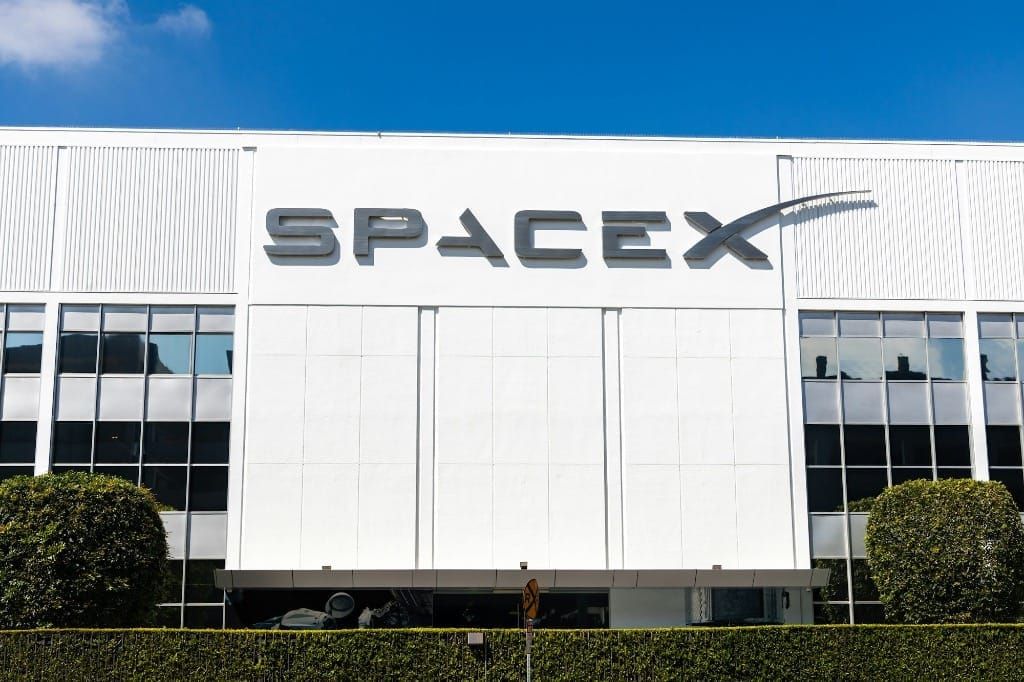
WASHINGTON, August 28, 2025 – Satellite operator SpaceX is interested in using spectrum that gives mobile carriers extra capacity in crowded venues and urban centers. The wireless industry is not happy about the idea.
The Federal Communications Commission is taking input on how to make more airwaves available to satellite companies, and it’s considering the 12.7 GigaHertz (GHz), 42 GHz, 51.4-52.4 GHz, and other, higher frequencies above 90 GHz.
In response to the inquiry, SpaceX suggested applying a blanket licensing system to most of the spectrum band under consideration, 42 GHz and up. That would allow satellite operators to obtain nationwide licenses and register many sites quickly.

The company also wanted to expand that to many other millimeter wave bands, several bands above 24 GHz that the wireless carriers use to boost capacity in crowded venues and urban centers.
CTIA, the main 5G industry trade group, said in a Wednesday filing that that would “inequitably and unlawfully upend licensees’ reliance on settled rules.”
The FCC finished its third auction of millimeter wave bands in 2020, when carriers spent more than $7.5 billion on licenses in the upper 37 GHz, 39 GHz, and 47 GHz bands.
“The commission should reject these proposals as both unsupported and outside the scope” of the dockets, CTIA wrote. The group said the airwaves “support a variety of high-bandwidth applications, including in transit hubs, universities, sports arenas, convention centers, and commercial and residential properties.”
SpaceX claimed the move would facilitate satellite broadband deployment, “bringing a swift end to outdated regulatory mechanisms that have resulted in a state where ‘it can take less time to build and launch satellite systems than it does to shuffle paperwork through the government’s review process,’” quoting a July speech from FCC Chairman Brendan Carr.
Some millimeter wave spectrum is shared already between mobile carriers and satellite operators, but SpaceX said the licensing rules for earth stations were so complicated they were “Kafkaesque” in comments earlier this summer.
The Satellite Industry Association, which represents other satellite operators like Amazon and EchoStar, generally agreed with SpaceX and suggested “altogether revisiting” the millimeter wave sharing rules.
New America’s Open Technology Institute and Public Knowledge were also generally supportive of instituting a similar system to what SpaceX described.
They said in joint comments in July that in “most millimeter wave bands (e.g., in 70/80/90 GHz and in 37-37.6 GHz), a framework premised on open access, light licensing by rule, and automated database coordination will best serve the public interest.”
12.7 GHz
The agency also sought input on, among other things, making the 12.7-13.25 GHz band available for satellite downlinks. SpaceX and the consumer groups were supportive of the idea.
CTIA said the FCC should think of the band as a good place to relocate any services that need to be cleared for the agency to auction off more mid-band spectrum to the carriers. The group didn’t specify a particular band, but said anything operating in 1.3-10.5 GHz should be able to work in the 12.6 GHz band.
The group said there are some terrestrial deployments already there though, and opposed for the band both a blanket satellite licensing system and the use of mobile earth stations.
WISPA, which represents small and wireless ISPs, said the band should be used for fixed broadband service in addition to satellite operations.
“As no party is seeking access to the band at this time for terrestrial mobile wireless services, sharing between terrestrial fixed wireless and satellite services should be feasible using an automated spectrum access system approach, not unlike an enhanced version of the automated frequency coordination (‘AFC’) system used in the 6 GHz band,” the group wrote.
WISPA said it supported “requiring a nationwide, non-exclusive license to operate in the band,” and for users to “register locations, antenna parameters, and frequencies in use with an automated spectrum coordination system.”





Member discussion