
State Attorneys General to FCC: Don’t Preempt AI Laws
The agency asked whether to consider AI laws as part of a broader preemption effort.

Jake Neenan
WASHINGTON, Jan. 27, 2026 – Attorneys general from 22 states and the District of Columbia are opposed to the Federal Communications Commission preempting state AI laws. Two of the attorneys general are Republicans.
As part of a broader inquiry into state and local rules the agency should consider preempting to promote wireline deployments, the FCC had asked whether it should eventually also look at “state or local laws seeking to govern or limit uses of AI” in the same way.
The agency has authority under the Communications Act to overrule state and local policies that effectively prevent telecom deployments. In a Dec. 18 letter, the attorneys general argued that wasn’t sufficient.
“The FCC has never before suggested that its jurisdiction under Section 253 is broad enough to regulate state oversight of decisions made by software,” they wrote. “Nor could it plausibly do so, unless it was prepared to regulate the entire economy, from self-driving cars to the practice of law.”
The Trump administration is seeking to overrule “onerous” state AI laws via a December executive order, including by denying some federal broadband funding to states with unfavorable AI laws on the books, a move that failed in Congress amid bipartisan opposition last year. The order also directed the FCC to look into establishing a federal reporting and disclosure standard for AI models that would preempt state rules.
The Trump administration’s AI action plan from July had also directed the agency to “evaluate whether state AI regulations interfere with the agency’s ability to carry out its obligations and authorities under the Communications Act of 1934.”
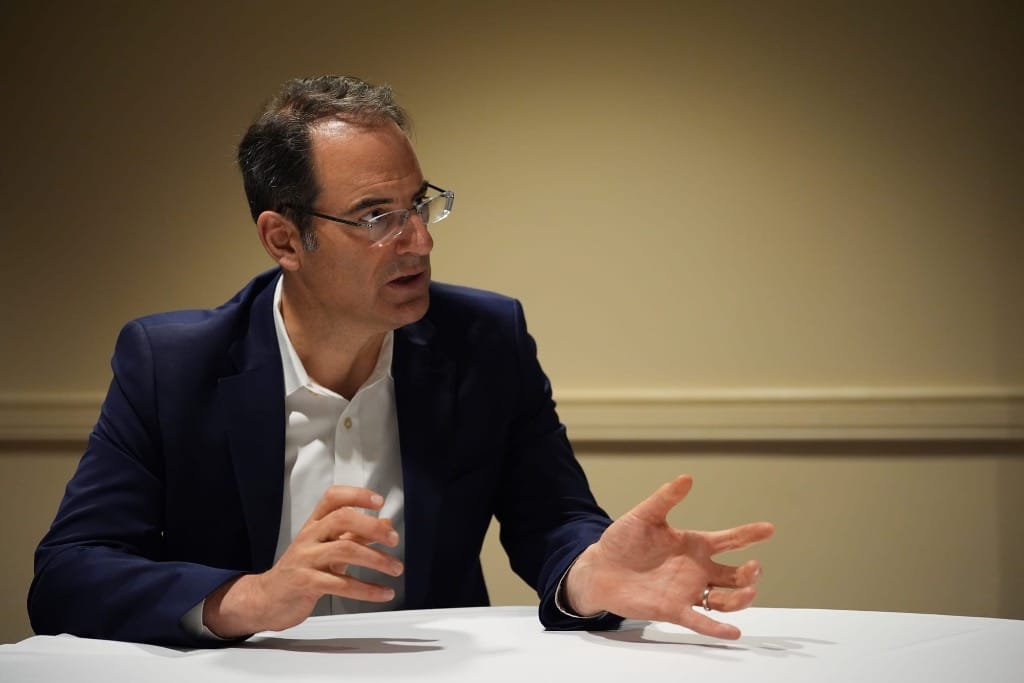
The attorneys’ general letter was led by Colorado Attorney General Philip Weiser. Weiser also threatened to sue, in what would be his 51st lawsuit against the Trump administration, over the AI executive order.
Industry groups supportive of FCC's inquiry into state AI laws
Trade associations including INCOMPAS and the U.S. Chamber of Commerce were supportive of the agency’s inquiry into state AI laws.
INCOMPAS argued the proposed preemption was “targeted in that it does not regulate AI models writ large” and allowed the agency to “ensure that broadband and fiber infrastructure deployment, including facilities supporting AI workloads, proceeds in a competitively neutral, timely, and technology-agnostic manner.”
The group said state laws that limited the use of AI in “network management, fraud prevention, or permitting automation” should be considered as part of the agency’s inquiry.
The state AG letter was signed by attorneys general from Arizona, California, Colorado, Connecticut, Delaware, District of Columbia, Hawaii, Illinois, Maine, Maryland, Massachusetts, Minnesota, Nevada, New Jersey, New Mexico, North Carolina, Oregon, Rhode Island, Vermont, Washington and Wisconsin – all Democrats – plus the Republican AGs of Tennessee and Utah.
The FCC’s main focus is preempting state and local permitting rules that telecom providers say are holding up their deployments. That would involve putting shot clocks on permit processing times and capping certain fees charged by permitting agencies.
Local governments strongly oppose the initiative, arguing they need to conduct thorough reviews to ensure safety and aren’t charging unreasonable right-of-way fees.




Member discussion