
States Continue Fielding BEAD Applications
Missouri quickly opened a 'sub-round' seeking applications fro homes and businesses that didn't receive bids.


WASHINGTON, Feb. 28, 2025 – Another four states closed application windows for the Broadband Equity, Access, and Deployment program in recent weeks.

At least two are planning subsequent rounds. States can also negotiate directly with ISPs after soliciating applications in an effort to secure universal coverage.
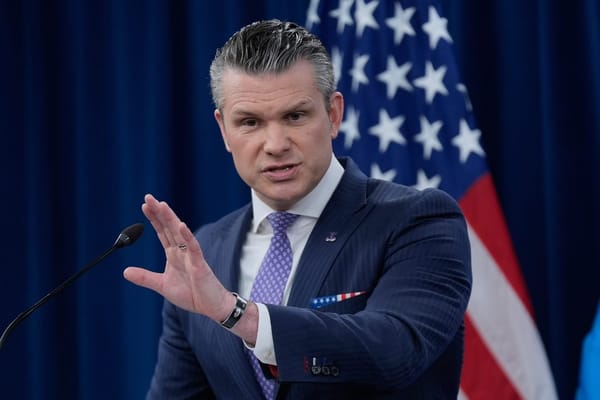
There’s been a level of uncertainty around the $42.5 billion program, as President Donald Trump’s pick to head the agency managing the program has criticized it and some Republicans in Congress have signaled a desire to change certain rules – like the program’s low-cost plan requirements and fiber preference – if they can.
But states – the ones administering the funding – have been moving ahead, with at least 30 beginning the process of fielding grant applications under the current rules. The House Energy and Commerce Committee is holding a hearing on BEAD next week.
The three states whose spending plans were approved under the Biden administration still need some ministerial approvals before accessing their funds. Louisiana’s broadband office has been optimistic that the situation is just a bump in the road and won’t be a long-term limbo.
Colorado
Round two of Colorado’s BEAD applications closes Friday at 11:59 p.m. MT. The state’s first round saw bids come in for about 112,000 of the state’s roughly 160,000 eligible locations.
The state made some rule changes to increase participation in round two. BEAD is designed to get coverage to every unconnected home and business in the country, or at least as many as possible.
Colorado increased the maximum price ISPs could offer to low-income subscribers on BEAD infrastructure, and made it easier for providers to construct their own project areas – the geographic units applicants bid to provide universal service to.
The state is also working to update its BEAD eligibility map with more recent broadband coverage data from the FCC, which was released after Colorado’s BEAD map was set in stone but shows an extra 31,000 locations with adequate service that might not need funding. The state’s $826.5 million allocation is already stretched thin because of its geography and remote passings.
Illinois
Illinois closed their first round on Wednesday. The state is planning a second round of applications in Spring 2025.
The state was allocated more than $1 billion, and its most recent data shows more than 174,000 eligible locations.
Connecticut
Connecticut’s first round of applications closed on Tuesday. The state was allocated $144 million and has less than 10,000 locations to connect.
Verizon prequalified to participate in the state with both its wireline and wireless arms, according to the state’s broadband office. SpaceX, Comcast, Cox, Frontier – which Verizon is in the process of acquiring – and local providers also prequalified. It’s a mandatory step in many states before submitting official applications.
It’s not clear if the state will need a second BEAD round to resolve competing bids or get to universal coverage. Connecticut is also administering a separate broadband grant program with up to $40 million from the American Rescue Plan Act.
Missouri
Missouri closed its round one on Feb. 20. The state reported 519 applications came in, seeking funding for 192,284 locations and requesting nearly $4 billion. Missouri was allocated more than $1.7 billion in BEAD funding.
The state is still looking to get bids on the remaining 21,120 homes and businesses that didn’t receive any interest. It’s opening a “sub-round” until March 22 to field applications for those areas specifically. Missouri waived its $300 million funding cap for the sub-round, allowing ISPs to request as much money as they want to get the hardest-to-reach locations.
“Applicants should be prepared to participate in the best-and-final offer process, should their project score in the top two submitted for an application area,” the state’s notice said. That process is set to last until April 21.




Member discussion