Stephanie Weiner, Former NTIA Chief Counsel, Joins Georgetown Law Tech Institute
Research focus will be on closing the digital divide

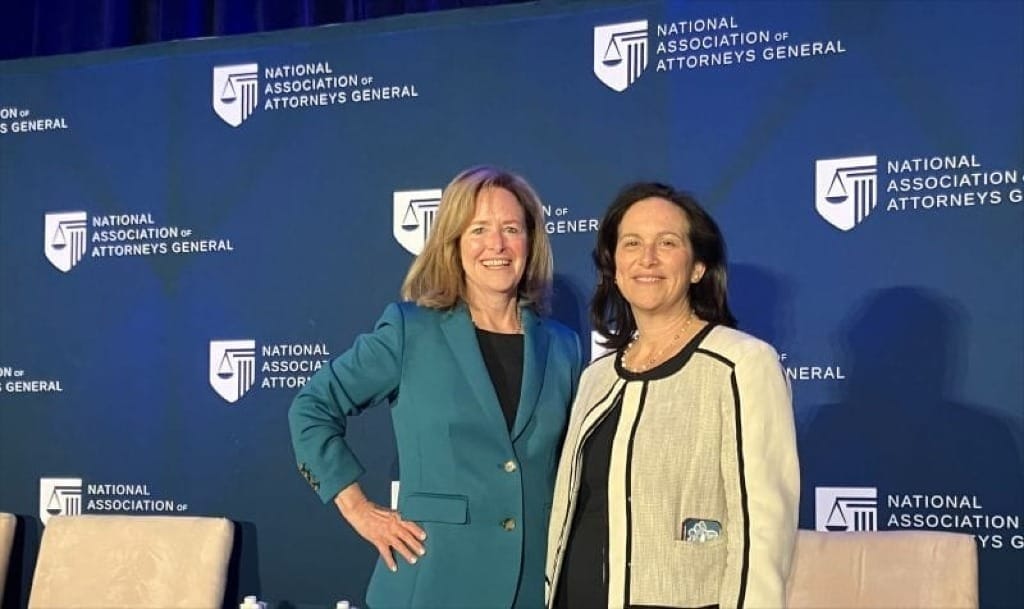
WASHINGTON, June 24, 2025 – The former chief counsel at the National Telecommunications and Information Administration, Stephanie Weiner, is joining Georgetown’s Institute for Technology Law & Policy as a senior researcher – with a broadband focus.
Weiner is joining the Institute as a fellow with Georgetown University Tech & Society initiative’s Federal Alumni Fellowship program. In addition to serving as Chief Counsel at the NTIA, she served as senior legal advisor to the Federal Communications Commission and senior legal advisor to the Department of Energy.
“It’s a privilege to join the Tech Institute as one of the inaugural Tech & Society Federal Alumni Fellows,” Weiner said.
Natalie Roisman, Executive Director of the Institute for Technology Law and Policy, showered praise on Weiner.
“Stephanie brings an extraordinary combination of skills and expertise to Georgetown,” Roisman said. “Her insight into foundational issues like broadband access and government accountability will be an incredible asset to our students, our research, and the wider Georgetown community. While the Institute’s work largely centers on the intersection of law, policy, and emerging tech challenges, it would be impossible to achieve our goals of equity and inclusion in tech without also addressing the issues of universal connectivity and internet fluency.”
Weiner will primarily study ways to close the digital divide through public policies and programs. The press release also states that she will “advise on legal frameworks and government accountability for emerging technologies” and help mentor students at Georgetown.
It was Gore who told FCC Chairman Reed Hundt that his failing cable TV regulations needed a makeover.
The bill, known as the SPEED Act, would enact the most significant change in decades to the National Environmental Policy Act. It passed 221-196.
Kaptivate analysis finds some states’ references to rural America dropped 80 to 100 percent
Idaho, Massachusetts, Minnesota, North Carolina, and Utah had their final proposals approved.
Member discussion