
T-Mobile-UScellular Deal Closes
Opponents have asked FCC commissioners to rescind bureau-level approval and review the transaction.

WASHINGTON, August 4, 2025 – T-Mobile’s purchase of UScellular’s wireless operations closed on Friday, two days after rural carriers and consumer groups asked federal regulators to rescind their approval.
The companies said the their subscribers would have “extended” roaming capabilities on each other’s network, with those networks to be integrated “in the coming months.”
The national carrier is taking over UScellular’s roughly 4.4 million customers, its retail stores, and about a third of its spectrum as part of the $4.3 billion deal. T-Mobile purchased UScellular licenses in the 2.5 GigaHertz (GHz), 600 MHz, and 700 MHz bands, am0ng others.

“For over 40 years, UScellular has been dedicated to the mission of connecting people to what matters most. The completion of our transaction with T-Mobile ensures that mission endures, as customers across our footprint will have an even better network experience,” Laurent Therivel, former UScellular CEO, said in a statement.
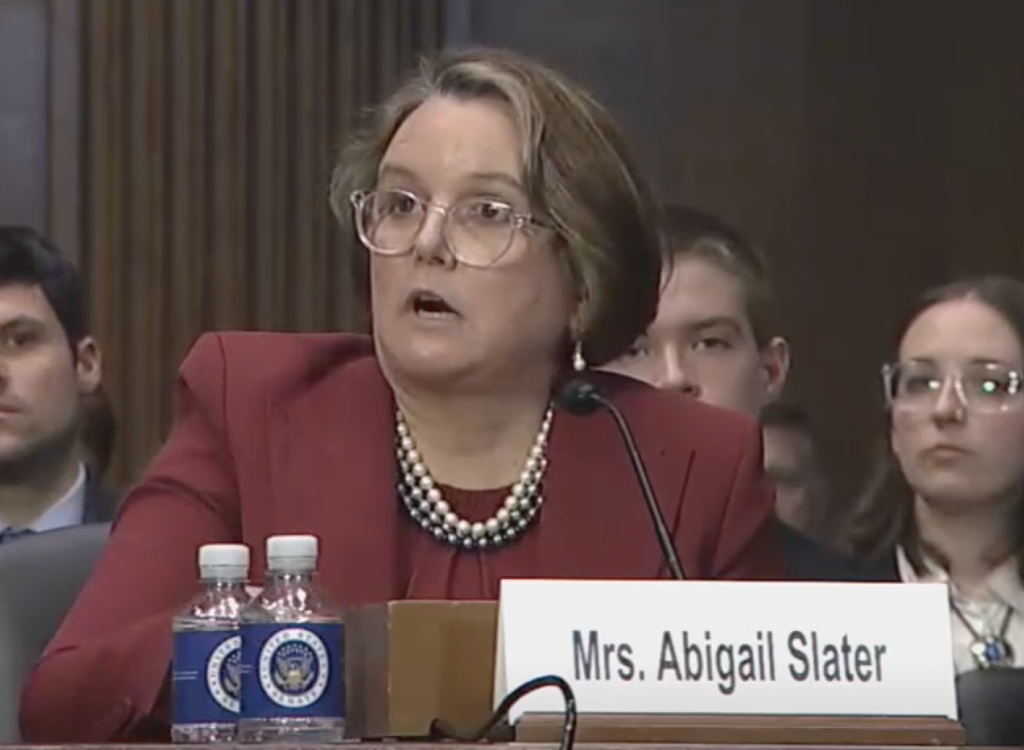
The Federal Communications Commission cleared the deal on July 11, denying requests to block it or impose conditions on its approval. Under Assistant Attorney General Gail Slater, the Department of Justice’s antitrust division also gave the greenlight, but noted its concern about increasing consolidation in the wireless industry.
Those are concerns FCC Chairman Brendan Carr has said he does not share. As agency staff did in the order approving T-Mobile’s UScellular purchase, he pointed at a press conference last month to wireless services offered by cable giants as adding competition to the three dominant carriers.
On July 30, a set of groups that have long opposed the deal asked the FCC to rescind its approval given by the Wireless Telecommunications Bureau and Office of International Affairs, and bring the matter to a vote by commissioners.
On the request were the Rural Wireless Association, New America’s Open Technology Institute, the Benton Institute for Broadband and Society, and the Communications Workers of America.
“The [FCC] has delegated authority to its staff to act on matters which are minor or routine or settled in nature and those in which immediate action may be necessary. The transaction at issue here is neither minor nor routine or settled in nature, and immediate action is not necessary,” the groups wrote.
The groups disputed a myriad of bureau conclusions and decisions, including the finding that cable mobile virtual network operators (MVNOs) meaningfully increased competition in the wireless industry.
UScellular is also looking to sell spectrum licenses to AT&T and Verizon for about $1 billion each. Those deals are still waiting on FCC approval. Slater said despite her reservations, she would not seek to block them either.
The groups opposed to the T-Mobile deal also reiterated Friday their position that the FCC needs to review all three transactions together for their impact on consumers and competition. They argued the three dominant carriers were effectively carving up their second largest competitor and further edging out smaller carriers.
UScellular is retaining its portfolio of about 4,500 towers and some spectrum licenses that it’s still looking to sell. The company is also getting a new name: Array Digital Infrastructure. UScellular’s former CFO Doug Chambers is now the interim CEO.



Member discussion