Nebraska
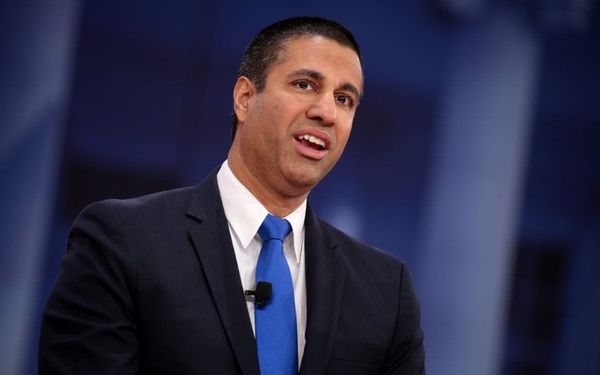
Nebraska Broadband Director Patrick Haggerty to Depart May 1
DOT Director Vicki Kramer will take over the role on an interim basis.

The Broadband Equity, Access and Deployment program is a $42.45 billion initiative administered by the National Telecommunications and Information Administration of the U.S. Commerce Department. Established by the Infrastructure Investment and Jobs Act of 2021, BEAD aims to expand high-speed Internet access by funding planning, infrastructure deployment and adoption programs.

Nebraska
DOT Director Vicki Kramer will take over the role on an interim basis.
Rural
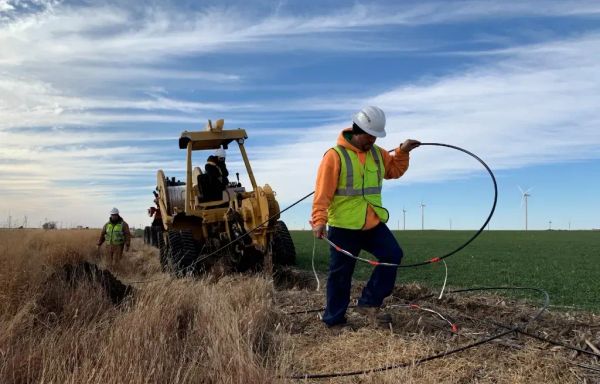
Aggressive broadband expansion in late 2025 extended fiber access to 60 percent of U.S. homes.

NTIA
The FCC's unanimous pole attachment ruling is a promising sign of bipartisan pragmatism in broadband policy, the author writes.

BEAD
Experts say providers can use competitor data to guide expansion.

Fiber
Increased competition in already-served markets could leave rural communities behind.

BEAD
States with ‘onerous’ AI laws are set to be ineligible for the funding – $900 million in Missouri’s case.
Data Centers
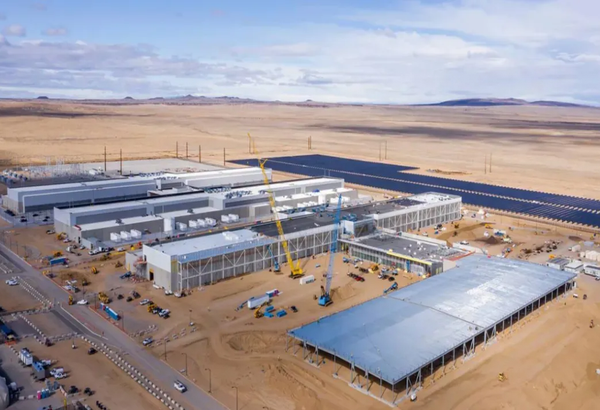
The infrastructure powering hyperscale data centers risks bypassing the very communities that host it.

Michael O'Rielly
Citizens Against Government Waste targets Rural Utilities Service as duplicative.

BEAD
They had concerns about the company’s proposed contract rider, which was rejected by NTIA.

BEAD
Infrastructure specialists urge administrators to reserve $7.6 billion from BEAD for unexpected shortfalls.

BEAD
The administration’s actions have now halted regulation in at least two states.

NCTA
Panelists cite skills gaps, security threats, and the need for more modern infrastructure.

Data Center
The bill represents hesitation and concern for data centers among some lawmakers and communities.
Digital Equity Act
The National Digital Inclusion Alliance has been fighting to restore a $2.75 billion digital equity program.
BEAD
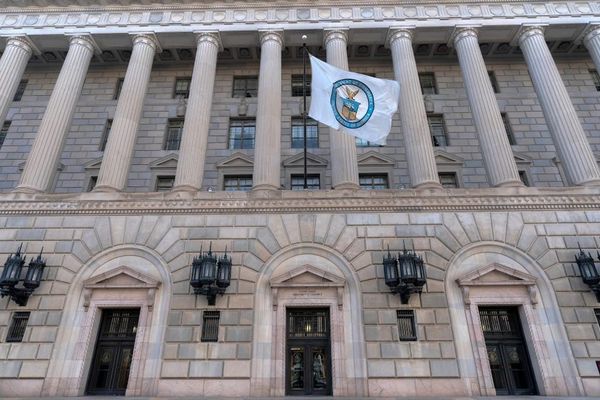
New notices of funding for the agency’s Tribal programs would come in late spring or early summer, a spokesperson said.

AI
Demand for high-capacity networks is accelerating as new technologies strain existing infrastructure.