Rural
WISPA: Charter Not Renewing Wholesale Contracts
The group said some rural providers would have few other options for middle mile service.

Rural
The group said some rural providers would have few other options for middle mile service.

Satellite
Satellite providers are securing 22 percent of federal broadband funding by offering immediate connectivity where fiber deployment could take years.
BEAD
The group is worried satellite providers are eating into the share of non-fiber locations.
Digital Inclusion
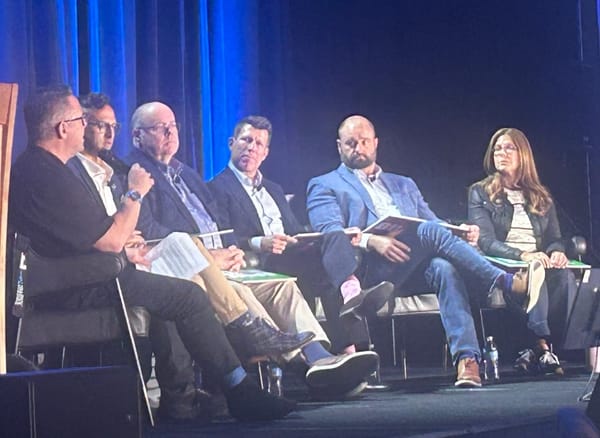
Panelists split on whether gigabit broadband was essential or overhyped.

Spectrum
WISPA said a forced relocation would disadvantage current users for the benefit of major wireless carriers.

BEAD
NTCA wants location-by-location verification of unlicensed fixed wireless, which WISPA opposes.

Spectrum
The Senate version scrapped a House protection for the unlicensed 6 GHz band.

BEAD
Unlicensed fixed wireless providers have a chance to make their coverage areas ineligible for BEAD funding.

Commerce
Awardees under original rules say they may not reapply.

Spectrum
The Defense Department and AT&T have proposed auctioning off at least some of the shared band.

Commerce
House Energy and Commerce Committee markup stretched late into the evening.

Defense Department
The Defense Department has reportedly proposed auctioning CBRS spectrum.
BEAD
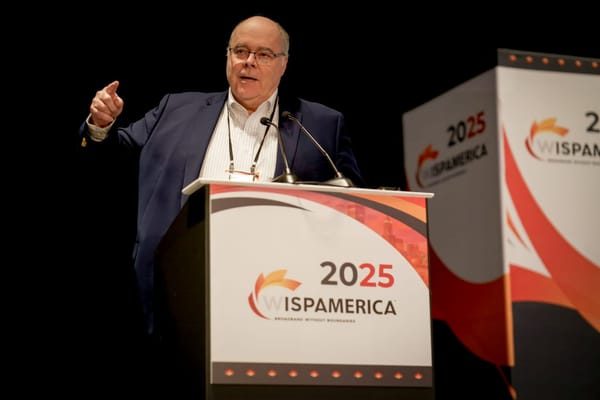
David Zumwalt said the group wants a chance to dispute some challenge process results.
SpaceX
NTIA said it has significantly reduced barriers to participation by LEO satellite providers.

SpaceX
These locations will remain eligible for fiber deployment under BEAD.

What's New
Two events, and two tools for Better Broadband, Better Lives.