NTCA
Coalition Wants Funds for Rip and Replace, Advertising Universal Service, Washington State Broadband
A coalition of telecom associations are urging Congress to appropriate money to fund the Rip and Replace program.

The Telecommunications Act of 1996 expanded the Universal Service Fund to ensure that all Americans, especially those in rural or low income communities, have broadband access. The FCC administers the fund through four programs: High Cost Support Mechanism, Low Income Support Mechanism, Rural Health Care Support Mechanism, and Schools and Libraries Support Mechanism.

NTCA
A coalition of telecom associations are urging Congress to appropriate money to fund the Rip and Replace program.
Joe Biden
The fund is set to run dry in 2024.
FCC
The commission took action on expanding E-Rate, maternal health data, and opening the 6 GHz band.
FCC
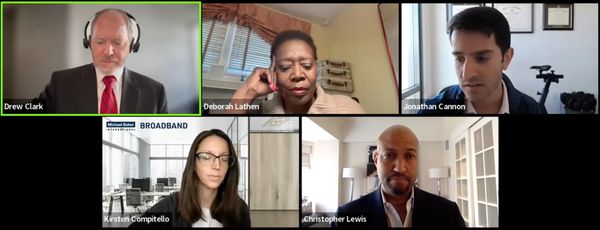
Policy experts were not all in agreement on whether to wrap ACP into the Universal Service Fund.
FCC
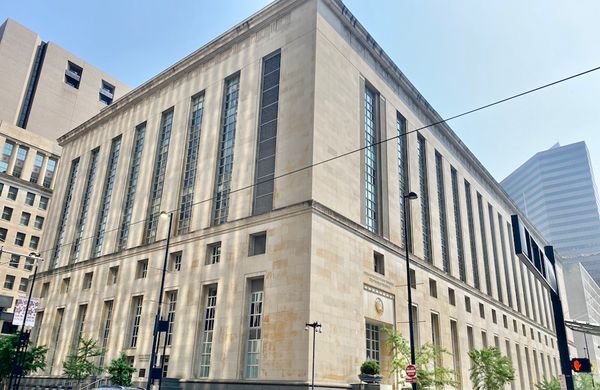
The Sixth Circuit struck down another similar petition from Consumers’ Research.

Oig
The agency’s Office of the Inspector General said providers were still paid for un-enrolled subscribers.
House Energy and Commerce
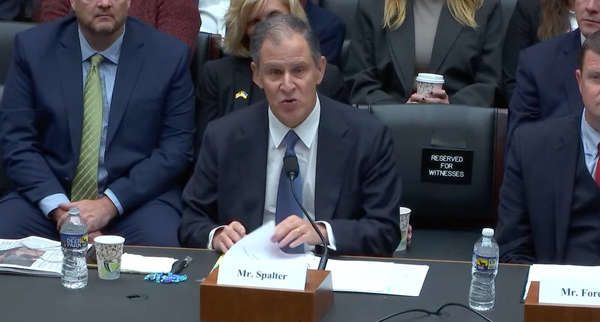
Under consideration: Opening the Universal Service Fund to contributions from broadband and Big Tech companies.

BEAD 2026
It’s not just about building networks, but providing affordability through programs like the ACP.

FCC
Missing out on BEAD-funded fiber could ‘materially impair’ the Beaver Island’s ability to compete, a local committee argued.
FCC
Consulting firm Brattle Group said in a report the move would be economically sound.
NTCA
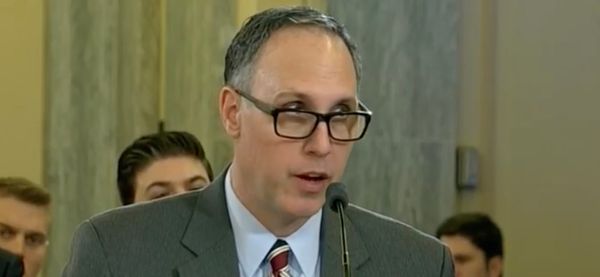
The FCC’s challenge process is insufficient to allocate Enhanced ACAM funds, the Rural Broadband Association said.

X (Twitter)
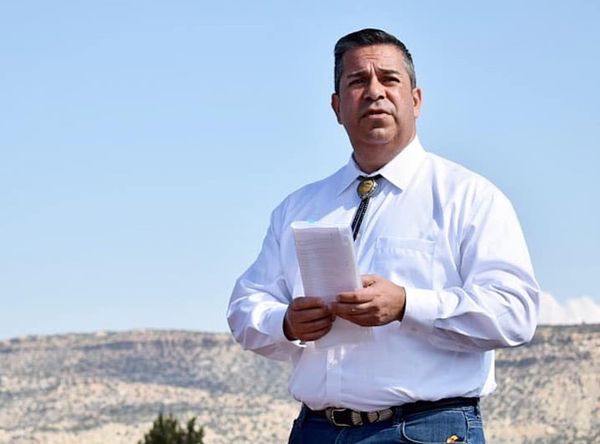
E-ACAM offers more funds and extended deployment deadlines for higher speeds.
FCC
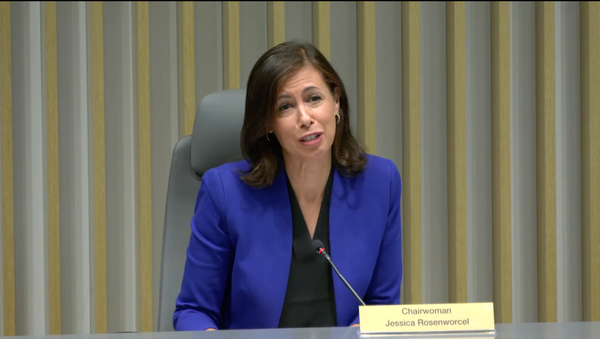
The USF is facing dwindling funds and pending court challenges.
Tribal
The FCC broadened the E-rate eligibility to tribal colleges used as public libraries.
FCC
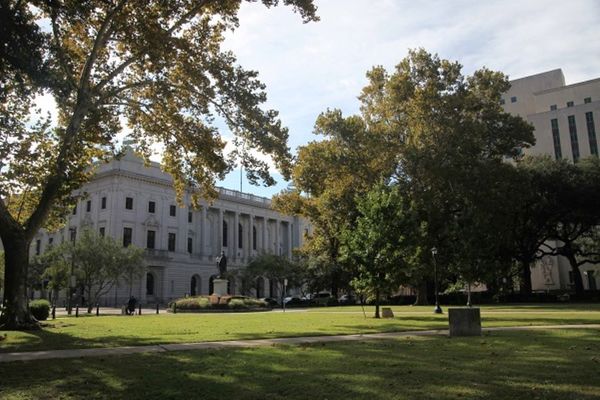
A rehearing of the case means that the full court will reconsider the case and the previous ruling is vacated.

USF
The USF needs to first be reformed for its own sustainability.