Justice Department
FCC Blocks Seven Behind Fraud Scheme from E-Rate
The people were convicted of overcharging religious schools.

The Telecommunications Act of 1996 expanded the Universal Service Fund to ensure that all Americans, especially those in rural or low income communities, have broadband access. The FCC administers the fund through four programs: High Cost Support Mechanism, Low Income Support Mechanism, Rural Health Care Support Mechanism, and Schools and Libraries Support Mechanism.
Justice Department
The people were convicted of overcharging religious schools.
Benton
Public interest groups say the FCC should modernize, not dismantle, key programs.
FCC
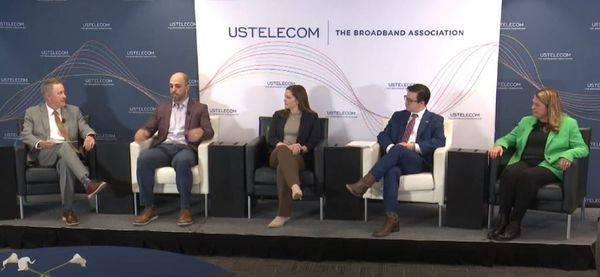
Rural broadband providers urged federal officials to stay the course on prioritizing fiber in BEAD.
Congress
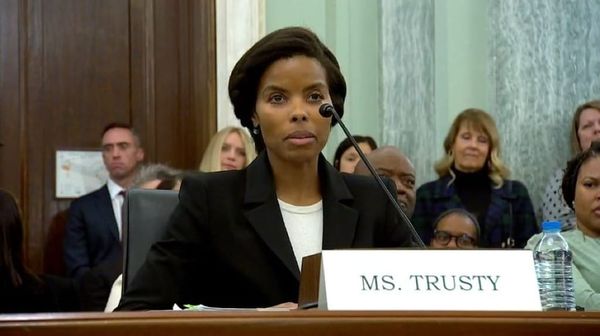
During nomination hearing, Trusty pledges to protect universal service while advancing next-gen connectivity.
International
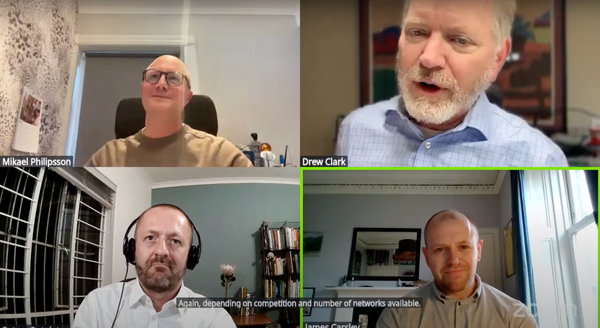
Fiber deployment emerges as a common thread despite vastly different market conditions.
USF
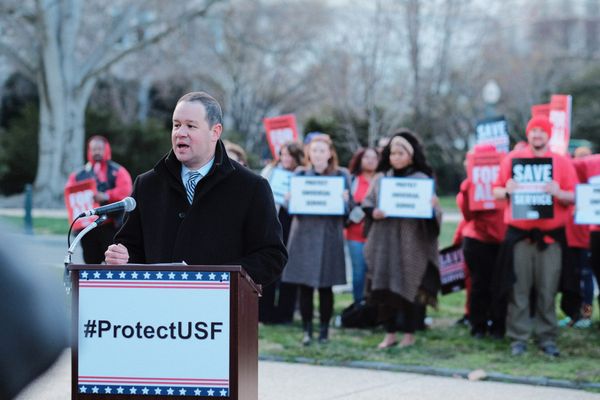
Justices are set to decide whether the $9 billion-per-year program is unconstitutional
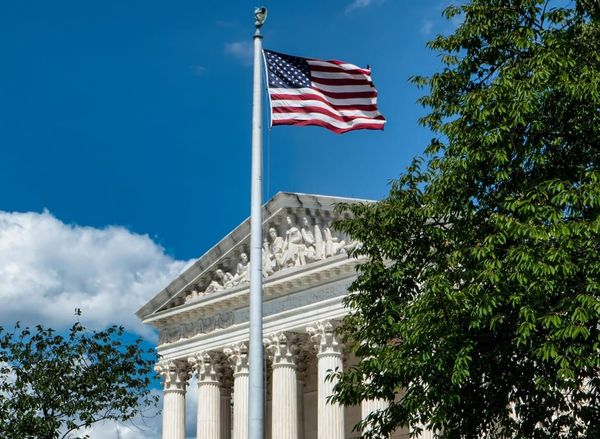
USF
The $9 billion-per-year fund is being challenged as unconstitutional nearly 30 years after its creation.
Expert Opinion
No BEAD final proposals have been posted since late 2024, but many are due over the next few months.
Benton
Telecom companies, public interest groups, and both the Biden and Trump administrations are united in the fight over the FCC’s Universal Service Fund.
Funding
More than 85,000 locations meant to be served by the Rural Digital Opportunity Fund remain without service.
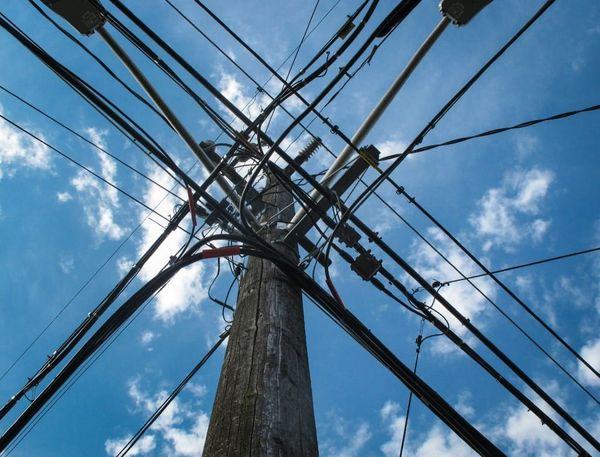
Pole Attachments
The data could inform policy decisions where the FCC doesn't regulate poles, the group said.
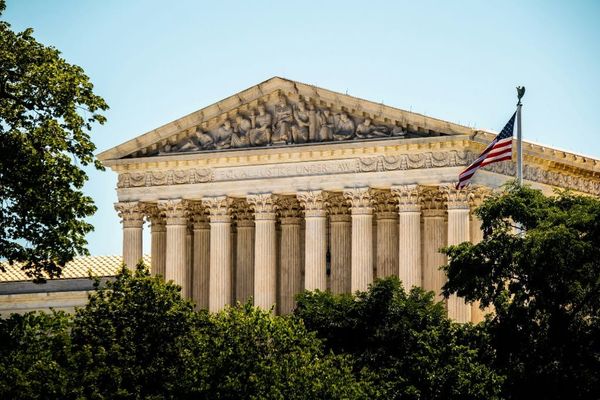
USF
The Supreme Court is set to hear arguments on whether the fund is constitutional March 26.
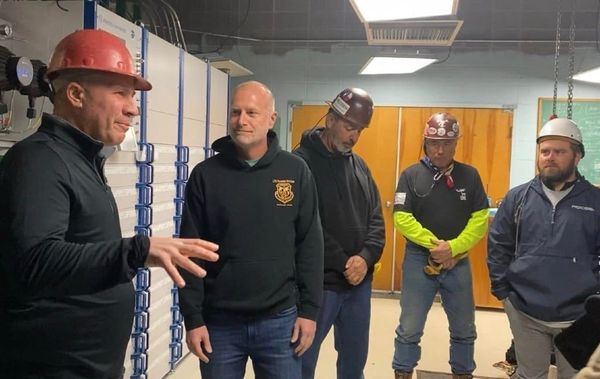
USF
New contribution factor will apply in the second quarter of 2025
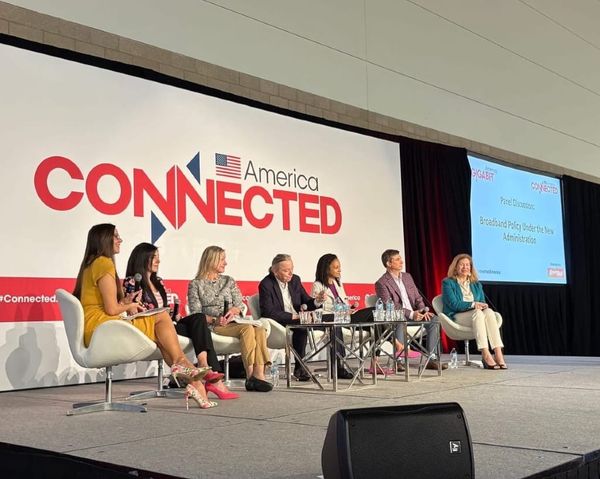
USF
The fund's constitutionality is being challenged at the Supreme Court, and lawmakers are looking for new revenue source besides voice.
FCC
'This is an opportunity for the FCC to strengthen the [Universal Service Fund],' Gomez said.
USF
Congress needs to be ready for a ruling against USF, memo says.