
Telecom Act Aides Say Partisanship is Behind Lack of Universal Service, Broadband Access
Panelists also discuss the unsustainable funding of the USF and the making of Section 230.

Kelcie Lee
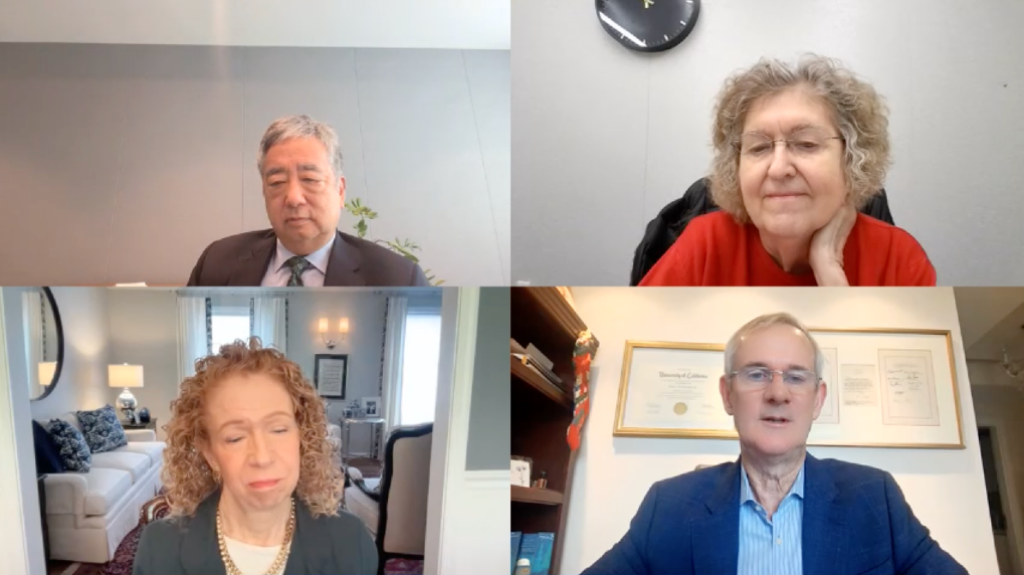
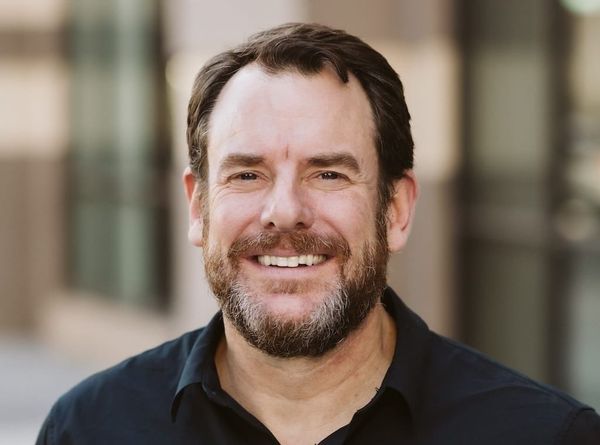
WASHINGTON, March 17, 2026 – John Windhausen, a staff architect of the Telecommunications Act of 1996, said partisan “political agendas” are the reason why up to 15 percent of Americans still don’t have access to broadband.
At the Federal Communications Commission’s 30th Anniversary of the 1996 Telecommunications Act Webinar on Tuesday, Telecom Act aides were asked what about the law came out differently than they originally anticipated.
“In my mind, we would have had broadband universally available to everybody by now,” Windhausen said. “And we don’t have that.”
He noted that this was a hard problem to tackle and acknowledged progress made through the Broadband Equity, Access and Deployment (BEAD) program and the Capital Projects Fund (CPF). Ultimately, Windhausen said it has not been enough.
“We see the BEAD program unfortunately being delayed for political agendas on both sides that have made that program not as successful as I’ve wanted it to be,” Windhausen said. “So that’s frustrating.”
He also said he wished the Universal Service Fund would have provided enough funding and that a lack of oversight over USF recipients was another flaw. Windhausen emphasized that despite the amount of work that still has to be done, his hope is that universal access can be realized by 2030.
Gina Keeney, who was in the FCC’s Common Carrier Bureau when the Telecom Act passed, mentioned two aspects of the law that came out differently than she anticipated, one being that local competition took longer than expected and the second being the act’s E-Rate program, which provided telecommunications discounts to schools and libraries.
Keeney wished there had been more measurable benefits of E-Rate, especially as she noted the drop in literacy rates and math knowledge that came alongside the implementation of E-Rate.
Both Keeney and Windhausen noted that one of the largest problems when it comes to universal service today is that the funding mechanism is unsustainable. Kenney said she is holding out hope that new legislation can address this issue. Despite the adversarial environment in the government, Keeney noted that universal service is not necessarily a partisan issue, but a geographic issue.
Windhausen said “it’s a matter of putting a package together of corresponding interests,” where both parties will have to compromise in order to bring about change for universal service. He emphasized that oftentimes, bipartisan policies are the best policies for creating a better balanced and more effective solution.
The panelists also discussed Section 230, which was enacted as part of the Communications Decency Act in 1996, and has “taken on a life of its own,” Windhausen said.
Section 230 has protected social media platforms and others from liability for content or information posted by their users, and was originally created to encourage and boost online services, Windhausen said.
Former FCC Special Counsel Katie King said she recalls Section 230 being a contentious part of the law, especially in her discussions with groups advocating for internet expansion.
“I remember being threatened by [an industry group] that said, ‘If we don’t get Section 230, we’re going to work to kill the bill,’” King said. “It was very important to them.”
Windhausen said Congress was sympathetic both in the House and Senate to incorporating this provision 30 years ago, but sees how the development of artificial intelligence might mean changes in the law.
“There’s a good argument why we need to revisit that blanket Section 230 exception, because the services and AI pose some fundamental threats to our economy and to jobs and to decency,” Windhausen said. “So there’s a real need to take another look at the AI industry.”



Member discussion