Telecom Industry Opposes FCC Proposal to Onshore Call Centers
Industry, labor, and business groups urge FCC to reject the proposal.

WASHINGTON, June 3, 2026 – Telecommunications industry groups are urging the Federal Communications Commission to decline a proposal to restrict foreign call centers.
In comments filed Tuesday, industry groups CTIA, NCTA, USTelecom, ACA Connects, and the Competitive Carriers Association said the agency lacks legal authority to impose the requirements and that the rules would not deliver their intended consumer benefits.

The comments respond to a proposal the FCC adopted March 26 that seeks input on measures designed to encourage and facilitate the onshoring of customer service call centers.
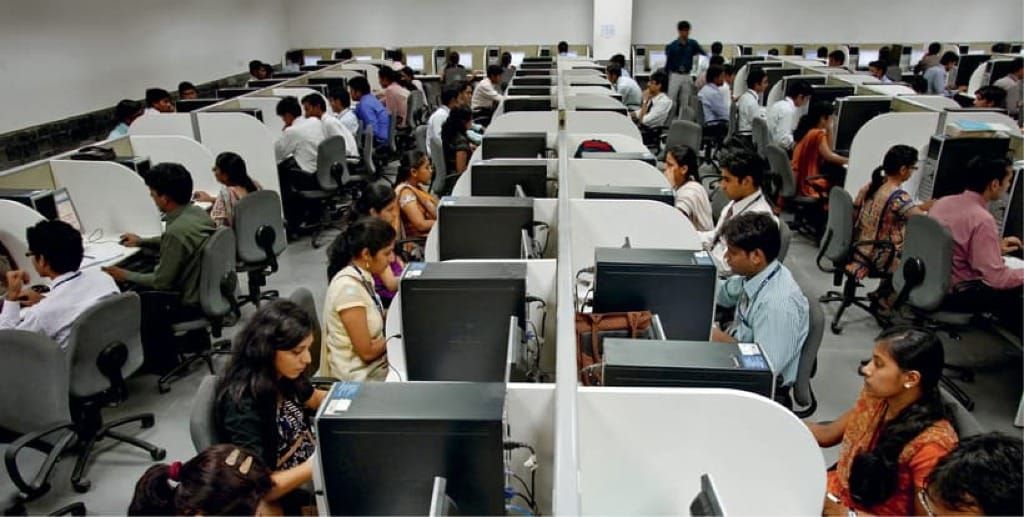
The proposal, among other things, seeks comments on limiting the percentage of calls that can be connected overseas, establishing a consumer right to have a call handled in a U.S. based center, and imposing English proficiency standards and employee training requirements on call centers.
The U.S. Chamber of Commerce and several state chambers urged the FCC to abandon its proposal, warning adopting the rules would run afoul of the major questions doctrine, which bars the agency from making policy decisions of such economic and political significance without clear congressional authorization.
The Communications Workers of America said the FCC’s proposal misidentified the causes of poor customer service and the proposed rules would not achieve the stated aims because the FCC has limited authority to regulate the practices.
“Workers in global call centers face severe challenges in exercising their rights and offering good quality service,” CWA said in comments, calling the proposed English language proficiency a “xenophobic strawman.”
The union said the proposal distracts from workplace conditions more responsible for poor customer service, citing a 2017 study of AT&T’s offshore call centers which found workers in the Philippines earned between $1.60 and $2.05 per hour and faced human rights violations.
CWA also drew particular issue with an inquiry from the FCC into whether automated systems or artificial intelligence could handle calls more efficiently. The FCC’s proposal mentions AI just once.
“Contrary to the implied benefits suggested by this question, new AI tools deployed in call center settings have the potential to displace jobs while eroding good customer service, replacing trained and knowledgeable customer service agents with frustrating AI bots,” CWA told the FCC.
Claro, a provider of fixed and mobile broadband in Puerto Rico, argued that the FCC’s assumptions on English language proficiency do not apply to the territory’s 3.2 million population, which is overwhelmingly Spanish speaking.
Claro suggested the commission move beyond a binary foreign, domestic analysis in any attempt to regulate telecommunications providers’ call centers in comments.
Charter said it has already eliminated offshore call center operations following its 2016 acquisitions of Time Warner Cable and Bright House Networks, moving all customer sales and service functions onshore. The company has announced plans to bring Cox’s customer care and service functions back to the United States within 18 months of completing the acquisition.
Should the FCC adopt rules in the proceeding, Charter asked that the commission exempt providers that invest in a 100 percent domestic customer service operation.
EchoStar argued that its own foreign call centers consistently score similarly to their domestic counterparts on multiple customer satisfaction and quality assessment measures, saying its foreign representatives are “well trained, experienced and effective.”
Stakeholders' replies will be due June 29, after which the FCC will use the record to decide whether to adopt, revise, or abandon the proposal.