
Texas BEAD Plan Approved
The approved spending plan differed little from the state’s preliminary awards.

Jake Neenan
WASHINGTON, Nov. 20, 2025 – The Commerce Department announced Thursday it had approved Texas's final spending plan under the $42.45 billion Broadband Equity, Access, and Deployment program.
That makes 16 states and three territories to have their final proposals approved by Commerce’s National Telecommunications and Information Administration. One state, Louisiana, has had its grants cleared by BEAD’s grants manager, a separate process, and has access to its funds.
After making tentative awards under the program, Texas had planned to spend about $1.27 billion on deployment under BEAD. Its approved plan greenlights more than $1.25 billion in spending, a relatively small reduction of nearly $13.6 million.
The state came in far under budget. It was allocated more than $3.3 billion under the program in 2023, the most of any state.
Texas’s broadband office had asked for a deadline extension partly because of that sprawling program size, and turned in its final proposal to NTIA on Oct. 27.
Roth praised Texas proposal
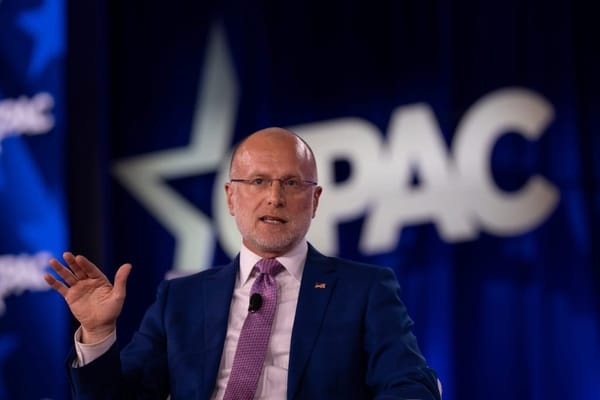
“The fact that we were able to approve the plan 22 days after submission speaks volumes about the strength and thoughtfulness of Texas’ proposal – and NTIA’s ability to get things done quickly,” NTIA Administrator Arielle Roth said in a statement. “We look forward to seeing Texans benefit from universal connectivity.”
The approved version of the state’s plan differed little from its tentative results. The total locations to be served, about 243,000, and the proportions getting fiber, satellite, and fixed wireless were almost unchanged.
About 51 percent of the state’s BEAD locations are in line for fiber, with 27 percent set for low-earth orbit satellite and 22 percent getting fixed wireless.
Not all of the 16 states with approved plans have posted their final proposal data yet, but at least Louisiana and Maine also saw relatively small changes according to data posted by those broadband offices. Maine’s location count fell from 25,880 to 21,818, a roughly 15 percent reduction, and Louisiana's fell by less than a percent.
While Louisiana’s is set in stone, the other states’ plans could change slightly until National Institute of Standards and Technology, the grants manager for BEAD, signs off.
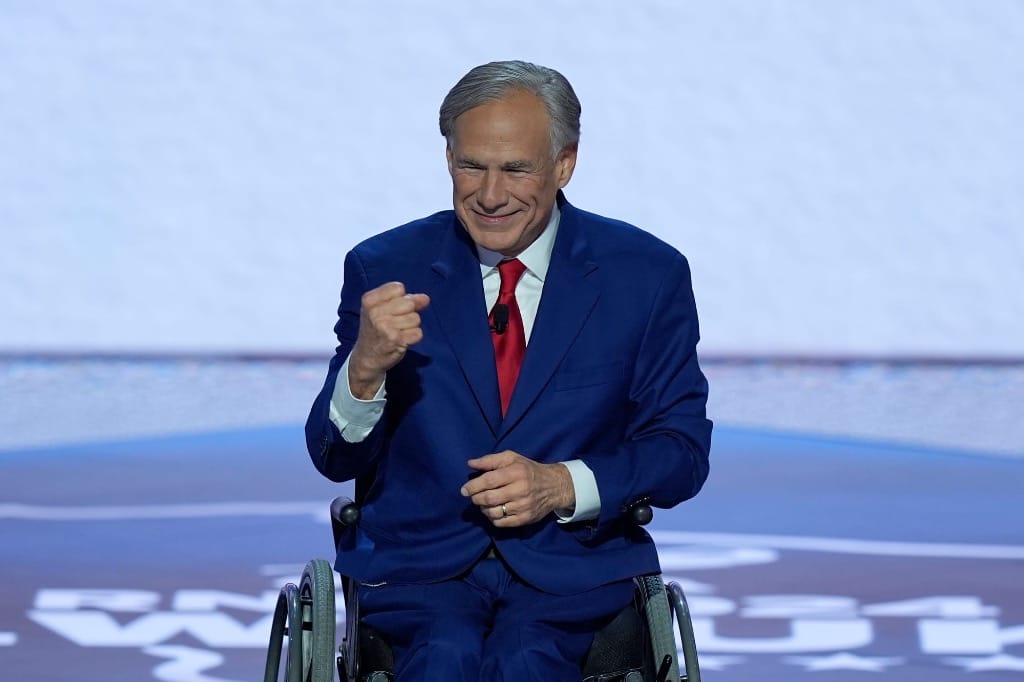
“I thank the Trump Administration and the National Telecommunications and Information Administration for their support of Texas' efforts to expand broadband access throughout our state,” Texas Gov. Greg Abbott (R) said in a statement. “Texas’ BEAD approval will enhance the lives of Texans in every corner of the state through faster communication, access to information, and telehealth opportunities.”
Still unclear pathway on BEAD 'non-deployment' allocations
It’s not clear what will happen to BEAD allocations that weren’t needed to secure connectivity for each state’s eligible locations. States had been planning to use the money for broadband adoption efforts, workforce development, and other things.
NTIA rescinded approval for non-deployment spending in June when it updated BEAD’s rules, saying more guidance would be forthcoming. Roth has floated the prospect of using some of the cash to streamline permitting processes.
Democratic lawmakers, and some Republicans, would prefer their states to hold onto the money and spend it largely as they had initially planned. A draft executive order that circulated Wednesday would direct NTIA to prepare a memo outlining plans to withhold non-deployment funds if states have “onerous” laws on the books regulating AI companies.






Member discussion