
Todd Schlekeway: Extreme Weather Underscores Importance Tower Infrastructure
Tower technicians risk their lives maintaining critical communications infrastructure during severe weather and need policy support.

Todd Schlekeway
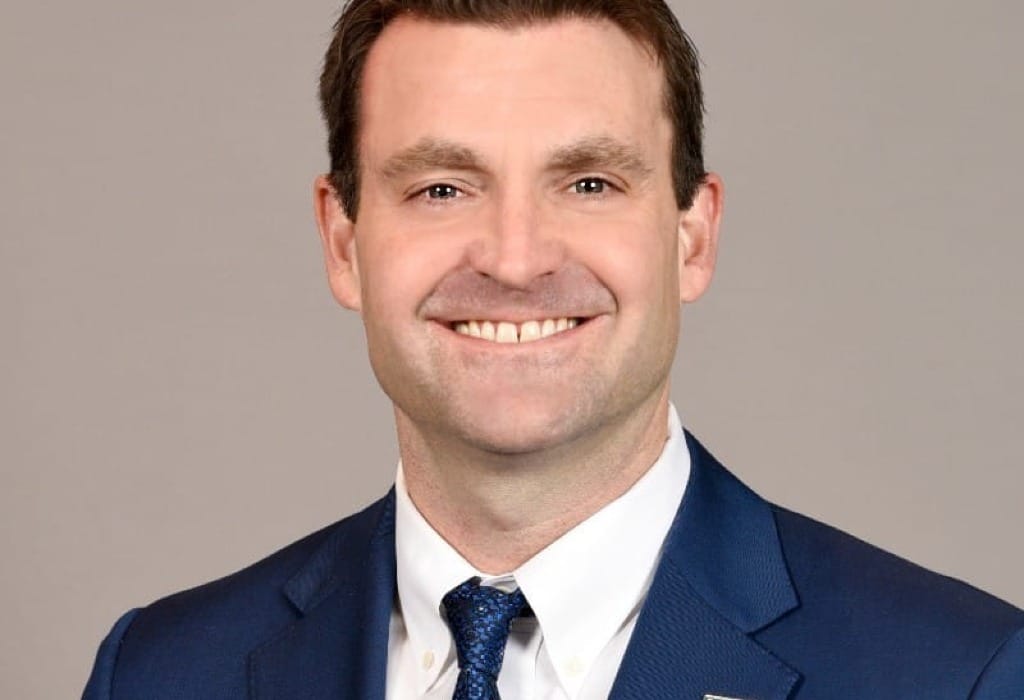
When severe weather systems disrupt the daily lives of millions, the resilience of our national communications network depends on a specialized workforce. For the tower climbing workers and engineers of the United States, "inclement weather" is not a reason to stay indoors; it is a signal to get to work.
As much of the nation hunkered down during Snowstorm Fern, the men and women maintaining our infrastructure were out and about ensuring our nation’s networks were working properly.
Maintaining a national network requires more than software updates. It demands physical labor at extreme heights, sometimes exceeding 1,000 feet. It is necessary to emphasize that the safety and training of these technicians is paramount to national stability. According to data from the Bureau of Labor Statistics (BLS), telecommunications equipment builders, installers and repairers face unique environmental hazards, yet their role is foundational to what the Cybersecurity and Infrastructure Security Agency (CISA) classifies as "Primary Critical Infrastructure." The towers they operate on every day facilitate everything from emergency services, military coordination, and the modern digital economy.
The risk to this critical infrastructure is not merely theoretical. During the 2024 hurricane season, the Federal Communications Commission Disaster Information Reporting System (DIRS) documented hundreds of cell site outages across the Southeast. In these scenarios, tower technicians are the first responders for communications. They navigate flooded terrain and ice-laden structures to replace damaged microwave backhaul equipment and ensure that the FirstNet dedicated wireless network remains operational for police and fire departments.
The integrity of these physical sites is also a matter of national security. In a 2023 report, the Center for Strategic and International Studies (CSIS) highlighted that the transition to 5G technology increases the "attack surface" for both cyber and physical threats. Because 5G requires a denser deployment of small cells and towers, the vulnerability of the physical supply chain becomes a central concern for lawmakers.
If a technician cannot access a site due to crumbling local infrastructure, or if a replacement component is stuck in a backlogged overseas port, the network remains dark. This creates a single point of failure risk. Federal Communications Commission (FCC) Commissioner Brendan Carr has argued through the 'Build America' agenda that streamlining the permitting process for tower upgrades is not just a matter of economic efficiency, but a necessity for competing with global adversaries who are rapidly scaling their own infrastructure.
When a tower crew is delayed for months by local zoning disputes, the network remains reliant on older, less resilient equipment that is more susceptible to weather-related failure. Preempting these state and local barriers is not merely an administrative convenience; it is a strategic necessity for ensuring that secure, high-speed networks are deployed at a pace that matches the evolution of national security threats.
While some advocate for broad trade restrictions, the current administration has shifted toward a model of negotiated domestic resilience. According to the administration, the priority is now on 'incentivizing domestic production' and establishing 'price floors' for critical minerals and components rather than relying on punitive tariffs that can inflate costs for contractors. For the tower industry, this means policies that favor stable, home-grown supply chains for steel and semiconductors, ensuring that the components necessary for emergency network repairs are readily available without the volatility of global shipping disruptions.
Some policymakers suggest that increased federal oversight of tower siting and maintenance schedules would improve reliability. However, evidence from the Reason Foundation suggests that prescriptive regulations often lead to unintended consequences. Excessive "climbing audits" or rigid federal maintenance cycles can paradoxically make networks less resilient by pulling crews away from emergency repairs to perform unnecessary paperwork.
Instead, the focus should remain on industry-led, nationally recognized safety standards developed through consensus. The organization I represent, NATE: The Communications Infrastructure Contractors Association, focuses on advancing worker safety by developing programs and resources that guide tower technicians and frontline workers in the safe, high-quality deployment of communications networks and related infrastructure.
In addition, the National Wireless Safety Alliance (NWSA) has strengthened the tower technician workforce through its credentialing programs, enhancing skills and professionalism while delivering measurable improvements in site uptime and worker safety—without the delays inherent in federal rulemaking.
Next week, more major winter storms are slated to bear down on much of the U.S. again. It is another test of the strength of our towers, and the resolve of the men and women who keep them operating when the weather gets ugly. To support these workers and secure our national interests, Congress must prioritize policies that shorten the supply chain and reduce the bureaucratic hurdles facing infrastructure deployment. Strengthening our networks is not a task for the future; it is a constant requirement of the present, performed by a workforce that deserves the best.
Todd Schlekeway became the President and CEO of NATE: The Communications Infrastructure Contractors Association in June of 2012. As President & CEO of NATE, Todd provides overall leadership and vision working with the Association’s staff, Board of Directors, Wireless Industry Network, volunteer Standing Committees and approximately 1,140 member companies. This Expert Opinion is exclusive to Broadband Breakfast.
Broadband Breakfast accepts commentary from informed observers of the broadband scene. Please send pieces to commentary@breakfast.media. The views expressed in Expert Opinion pieces do not necessarily reflect the views of Broadband Breakfast and Breakfast Media LLC.





Member discussion