Tower Companies Optimistic Amid Spectrum Auctions, Potential AI Deployments

SBA Communications has been in early talks with satellite companies about terrestrial deployments

Tower Companies Optimistic Amid Spectrum Auctions, Potential AI Deployments
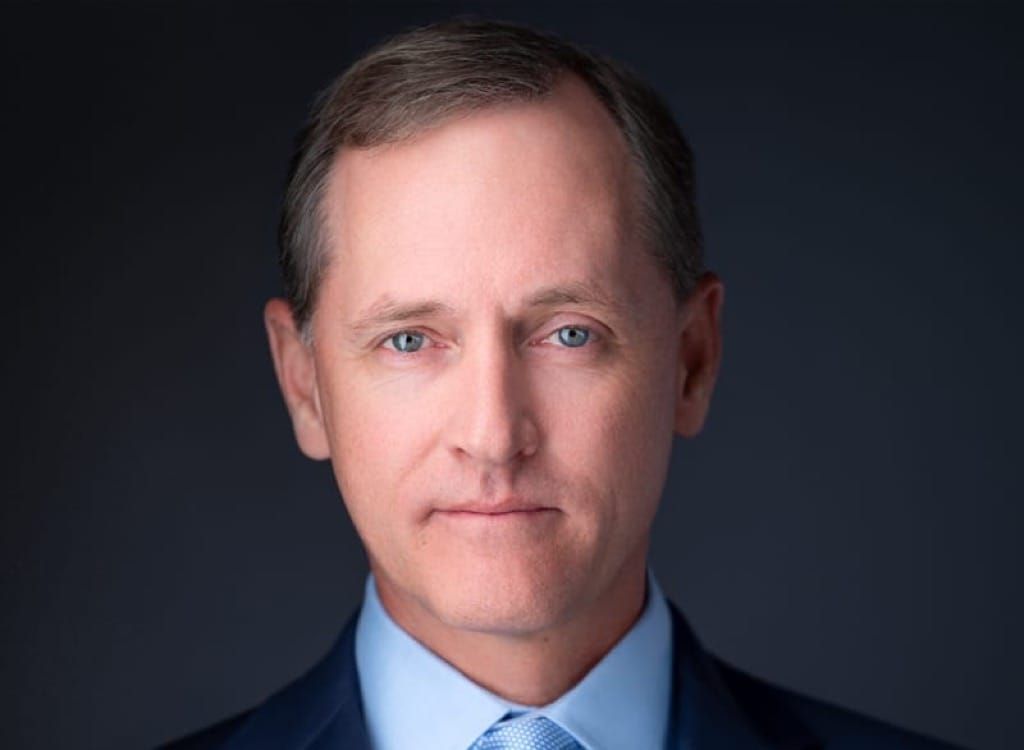
Photo of SBA Communications CEO Brendan Cavanagh from the company

WASHINGTON, Aug. 4, 2026 – Big tower companies are feeling good about the future.

On earnings calls in recent weeks, executives pointed to the government’s plan to auction spectrum in the coming years and the potential for AI companies to deploy computing gear on their infrastructure.
They were also not nervous about direct-to-device satellite service reducing demand for terrestrial wireless networks. 

Crown Castle, American Tower, and SBA Communications each reported results in line with or exceeding analyst expectations. As of Tuesday afternoon, each company’s stock was up since its earnings call.

Spectrum, densification

SBA CEO Brendan Cavanagh noted the Federal Communications Commission is set to auction 160 megahertz of upper C-band spectrum next year. Those licenses will come with deployment deadlines that, while loosened after carrier pushback, are still aggressive.

The FCC also wants to hold an auction in the 2.7 GigaHertz (GHz) band in 2028. That spectrum is among four federal bands the government is studying with the aim of allowing commercial use.

“This will, of course, be good for SBA,” Cavanagh said on the company’s earnings call Monday. “We expect to see incremental equipment deployed at our sites, driving organic growth for years to come.”

Steven Vondran, CEO of American Tower, said that both further 5G deployments and the 6G transition, which will allow the use of new and higher frequency spectrum, would require denser radio deployments.

“Based on our discussions with carrier customers, supporting future traffic growth will require meaningful network densification, creating additional opportunities across our portfolio,” he said on the company’s July 28 earnings call.

Still, analysts at MoffettNathanson cautioned that those boons would be years away.

“The pipeline of catalysts that might drive upside isn’t as robust as one might like. The Upper C-band auction is scheduled for next summer, but the spectrum won’t be available for deployments for several years thereafter,” analyst Nick Del Deo wrote in a Monday investor note. “6G is years away, and there doesn’t seem to be much enthusiasm from the carriers after 5G failed to contribute to their economics like they hoped.”

AI

Cavanagh said SBA had been talking with multiple companies potentially interested in attaching computing gear to its towers. The idea would be to locate what are effectively mini data centers at tower sites.

“We are talking to a number of parties who have an interest in this more disaggregated approach to compute, and specifically to spread out the usage of power,” he said. “Those types of things that I think present challenges in the existing more centralized or hyperscale data center structure.”

Chris Hillabrant, CEO of Crown Castle, said the company was involved in multiple trials of the same arrangement. He said that there could be more demand going forward as large data centers faced permitting and power capacity delays.

Del Deo was skeptical. He wrote that even a small amount of additional power at each of Crown Castle’s 40,000 towers could drain an extra 1 percent of the entire U.S.’s annual consumption. That could still be disruptive, he wrote, and customers might not always be comfortable leaving expensive equipment on the ground at tower sites.

“While an interesting angle and one that would be incremental to the business, we remain skeptical about the viability of this sort of concept at scale,” he wrote.

Satellite

All three CEOs said they weren’t worried that SpaceX’s direct-to-device service would obviate the need for their infrastructure. The satellite company is expected to make an effort to take share in the U.S. wireless market.

Hillabrant laid out arguments from two reports on the issue the Wireless Infrastructure Association recently commissioned. He said that the challenging physics of sending signals to and from space made it all but impossible for satellite direct-to-device to serve dense areas that terrestrial cell networks covered with ease.

He said that SpaceX and others planning to compete with the company would need terrestrial network components to truly mimic a mobile carrier, which tower companies like Crown Castle would benefit from.

It wasn’t clear what satellite companies’ long-term plans were, he said, and added that Crown Castle hadn’t seen any change in radio deployments so far.

Cavanagh said SBA had been in talks with more than one satellite company about deploying terrestrial gear, potentially either radios or ground stations, to complement their direct-to-device services.

He said that “in the coming year or two” the company would have more to share, and that tower companies stood to benefit from satellite companies inevitably requiring terrestrial equipment to support their service.

“We of course agree but are highly skeptical this is even a real thing,” New Street Research analyst David Barden wrote in an investor note. “We continue to believe that the fears of LEOs disintermediating towers are overblown and while there remains some potential for it to happen in ultra-rural areas there is also the potential for increased demand for terrestrial infrastructure (for back-up to fiber, etc.).”

Dish issue

Each of the three companies are suing Dish Wireless for what they say are improperly unpaid bills. Dish's parent company, EchoStar, sold many of its spectrum licenses and is turning down its network.

Dish is bankrupt, and as part of that proceeding is arguing the tower companies’ claims — which range from multiple billions to hundreds of millions — are capped at 15 percent of what they say they’re owed.

Hillabrant and Cavanagh said they disagree with that. Crown Castle is seeking the most damages at $3.5 billion.

Popular Tags