University of Illinois Survey Finds Rural Broadband Gaps Persist for Farms, Households
A survey found widespread dissatisfaction with rural broadband speeds

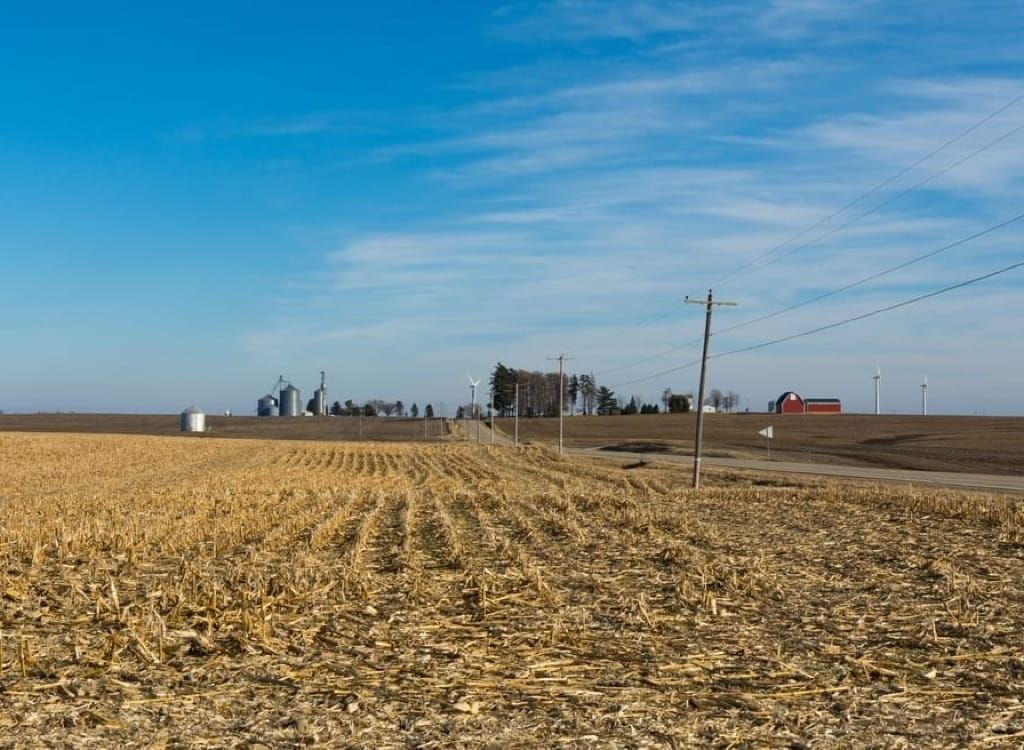
WASHINGTON, Oct. 13, 2026 — Illinois farmers need better broadband connections to support modern agricultural operations, while rural households continue to face problems with Internet speeds, reliability and affordability.
Nearly four out of five rural Illinois residents with fixed broadband connections have service that falls below federal speed benchmarks, according to a University of Illinois survey highlighting persistent connectivity problems for households and agricultural producers.

The survey, conducted by University of Illinois Extension across 28 counties between 2022 and 2025, collected responses from more than 11,700 households. Researchers Nancy Ouedraogo and Mark White said the findings show that having a broadband connection does not necessarily mean residents have service capable of meeting their needs.
The survey found that 79.8 percent of respondents with fixed broadband had speeds classified as unserved or underserved under Federal Communications Commission benchmarks. Nearly 59 percent of households said they were dissatisfied with broadband affordability, while 53.5 percent were dissatisfied with speed and 51.5 percent with reliability.
Those measures showed no sharp improvement in 2024 and 2025 compared with 2022 and 2023, the researchers said in an Oct. 12 report published by the University of Illinois' farmdoc daily.
Small-town counties faced the greatest connectivity challenges. Among the four groups of counties analyzed, small-town nonmetropolitan counties had an unserved or underserved rate of 88.2 percent. Metro-adjacent counties recorded an 85.6 percent rate, while rural and remote counties had a rate of 80 percent. Larger nonmetropolitan trade-center counties performed best, with a rate of 64.9 percent.
The results suggest that proximity to urban areas does not guarantee reliable broadband service, the researchers said.
Agricultural businesses face additional challenges because modern farming increasingly depends on reliable connectivity for precision agriculture, GPS-guided equipment, irrigation monitoring and remote tracking of livestock and grain storage.
Only 38.9 percent of farm and agricultural respondents said their broadband connections adequately supported precision agriculture. Another 33.6 percent reported having no local fixed broadband connection, relying instead on satellite or mobile services.
Still, farmers could help expand rural networks. Nearly 59 percent of agricultural respondents said they would be willing to host broadband equipment on their properties, potentially helping providers overcome last-mile construction challenges.
The researchers said some residents reported that fiber-optic lines passed nearby properties without offering service to them. Others described facing construction costs reaching tens of thousands of dollars or needing neighbors to agree to long-term contracts to make extensions feasible.
Satellite broadband has provided another option for some rural residents, but monthly subscription fees and upfront equipment costs can remain burdensome for households and small agricultural operations.
The findings are relevant beyond Illinois, the researchers said, pointing to broader rural broadband challenges across the Midwest and other parts of the country. They called for continued cooperation among federal, state and local governments, providers and community organizations to improve broadband quality and reliability.