Utilities Push Back on West Virginia’s Plan for Pole Attachment Database
If funded, the database could launch in early 2026

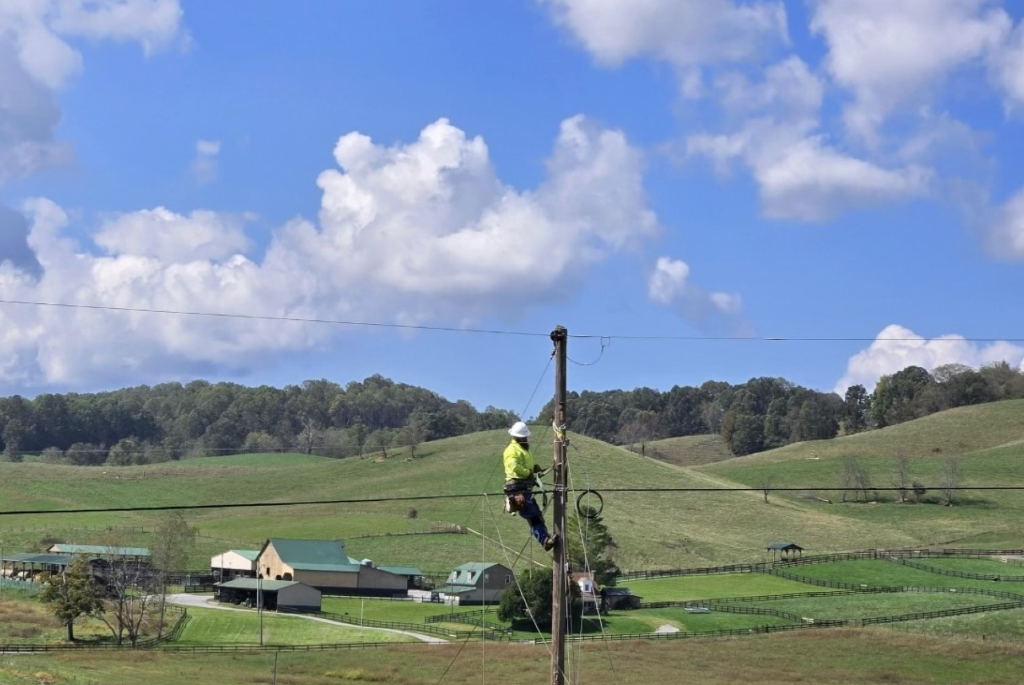
WASHINGTON, Oct. 1, 2025 – Internet service providers and utility companies are clashing over West Virginia’s plan to create an $8.1 million pole attachment database.
According to reports, the West Virginia Broadband Office and the state Broadband Enhancement Council filed a report with the Public Service Commission outlining the project’s costs.
Technical development is expected to total $955,381, including $389,083 in 2025, with another $865,800 for additional resources and support. The largest amount of money would go towards data acquisition for $6.3 million.
The state included the request in its final proposal to the National Telecommunications and Information Administration for funding under the Broadband Equity, Access, and Deployment program.
Pole owners, including subsidiaries of American Electric Power, FirstEnergy, and Frontier Communications, have opposed participating in the database. In filings, AEP subsidiaries Appalachian Power and Wheeling Power estimated compliance could cost $152 million and take several years.
If funded by BEAD and in cooperation with a coalition of state universities and private-sector partners, the pole attachment database could be operational by early 2026, according to the West Virginia Broadband Office.
Bermuda has become a model for subsea cable investment by streamlining its permitting process to just 70 business days.
“How do we gauge success in a way that’s quantitative?”
SB 152 would create a state-run, low-income broadband assistance program funded through the state’s rural universal service fund.
Keynotes join panels: State broadband roundtable, technology choices in BEAD, using remaining BEAD funds, and capital constraints on financing
Member discussion