Utility Pole Costs a Major Expense for BEAD Broadband Projects
Researchers say make-ready expenses could cost up to $4.63 billion nationwide

Mira Bhakta
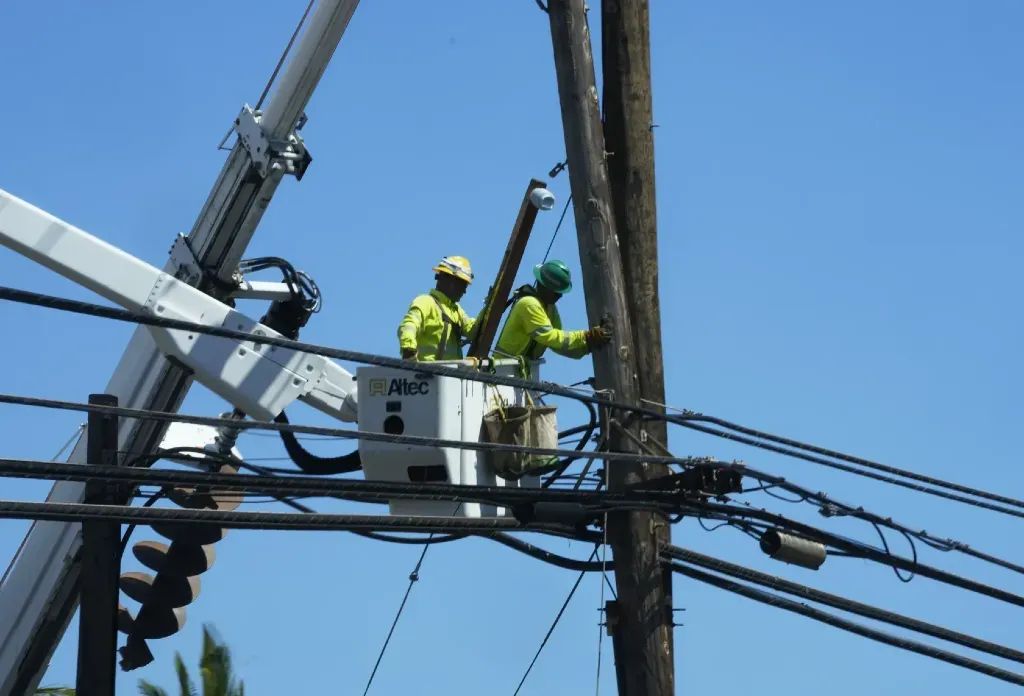
WASHINGTON, May 14, 2026 – A new study warns that utility pole expenses tied to the federal Broadband Equity, Access, and Deployment program could cost up to $4.63 billion nationwide, potentially straining broadband deployment budgets and delaying projects.
The report from the Advanced Communications Law & Policy Institute estimates BEAD-funded broadband construction will involve approximately 3.9 million utility-owned poles across 2,053 electric utility service territories, as providers build nearly 188,287 miles of aerial fiber infrastructure.
Researchers said pole-related costs remain one of the largest uncertainties facing the $42.5 billion BEAD program, which was designed to expand broadband access to millions of unserved and underserved locations across the country.
Even under the study’s baseline scenario, total pole-related expenses are projected to reach roughly $1.25 billion.
“Pole disputes involving ISPs and electric utilities always occur, but they are becoming more contentious given the costs and stakes involved in ongoing deployments,” researchers Michael Karras and Joey Santorelli wrote in a blog post.
The study warned that unexpectedly high make-ready costs, the work required to prepare utility poles for new broadband attachments, combined with rising labor and material expenses could slow deployments, trigger project defaults or force providers to abandon planned builds entirely.
Aerial fiber deployment is expected to account for roughly 41.8 percent of all BEAD fiber construction because attaching lines to existing poles is often less expensive than underground installation.
Still, regulatory oversight of utility poles remains fragmented.
The Federal Communications Commission oversees pole attachment rules for investor-owned electric utilities in 27 states, while state regulators control oversight in the remaining 23 states. Municipal utilities and electric cooperatives are largely exempt from FCC jurisdiction, leaving much of the nation’s pole infrastructure governed through a patchwork of state rules.
According to the report, FCC authority would extend to only about 10 percent of the utility poles expected to be used in BEAD deployments.
The agency is aiming to speed deployment through new pole attachment regulations which took effect Thursday. The order, approved unanimously last July, establishes new timelines for utilities handling pole attachment requests and streamlined contractor approvals for broadband providers seeking to deploy new networks.
BroadbandExpanded, a project of the ACLP Institute, has praised the NTIA for also trying to rectify this through requiring cooperatives and municipal utilities participating in BEAD projects to comply with FCC pole attachment rules as a condition of receiving funding.