AI Preemption Debate In Congress’s Hands
The longer Congress waits, the harder it may be.

Mira Bhakta
WASHINGTON, May 14, 2026 – Major technology firms are increasingly lobbying Congress to establish federal standards that would preempt state laws and create a single nationwide regulatory structure for AI development and deployment, policy analysts said Wednesday.
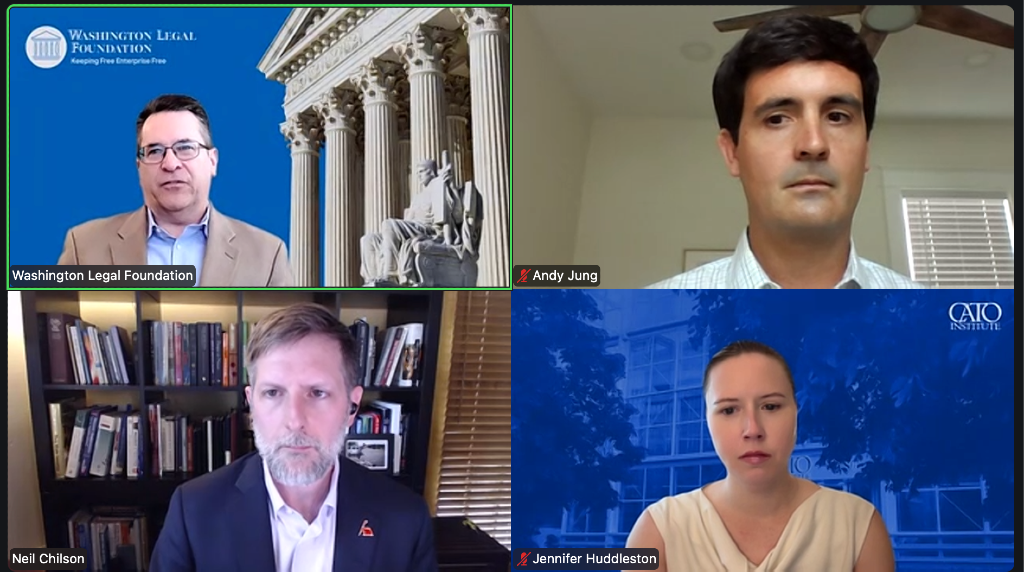
“There is this concern that we could see a patchwork that could disrupt innovation at a time that's very critical to its development and very critical to the global competitiveness of the American AI ecosystem,” said Jennifer Huddleston, senior fellow in technology policy at the Cato Institute, during a discussion hosted by the Washington Legal Foundation.
Senators previously rejected a broad federal AI preemption proposal in a 99–1 vote.
At the same time, analysts warned that the longer Congress waits to act, the more difficult federal preemption could become as states continue adopting their own laws.
“Certainly the laws are different, and so the longer you wait, the harder it gets to do preemption,” said Andy Jung, Associate Counsel at TechFreedom.
The discussion comes after a surge of state AI legislation addressing issues such as algorithmic discrimination, workplace surveillance, deepfakes, data privacy and consumer protections.
States including California, Colorado and Illinois have emerged as leaders in AI oversight, creating what many technology companies describe as a growing patchwork of compliance requirements.
Supporters of federal preemption argue that a unified national framework would reduce compliance burdens and encourage innovation, while critics warn it could weaken stronger protections already adopted at the state level.
Neil Chilson, head of AI policy at the Abundance Institute, said the regulatory debate is now largely in Congress’s hands.
“Congress [is] where preemption authority ultimately lies, and we will see how Congress takes that up,” Chilson said.
For now, states continue advancing new AI proposals while pressure mounts on Congress to determine how much authority the federal government should ultimately hold over AI regulation nationwide.
On May 1, Connecticut passed a bipartisan AI bill which would establish new safeguards around AI use in employment, consumer systems, and youth-facing platforms.