Longmeadow Voters Reject Municipal Fiber Network Proposal
The vote followed what broadband advocates described as a telecom industry-backed astroturf campaign.

Georgina Mackie
WASHINGTON, May 14, 2026 – A western Massachusetts town will remain reliant on incumbent broadband providers after voters Tuesday rejected plans for a municipal fiber network.
Residents at Longmeadow’s annual town meeting voted 374-270 against Article 7, failing to reach the two-thirds majority required to approve an $8.6 million appropriation for the first phase of a planned $27 million town-owned network.
The proposal would have funded construction of a central fiber hub, an initial pilot area, and part of a second construction phase expected to serve roughly 1,600 homes and about 50 businesses and multi-dwelling units.
Supporters said the network would increase competition, lower prices, and give the town greater control over broadband infrastructure instead of relying on Comcast and Verizon.
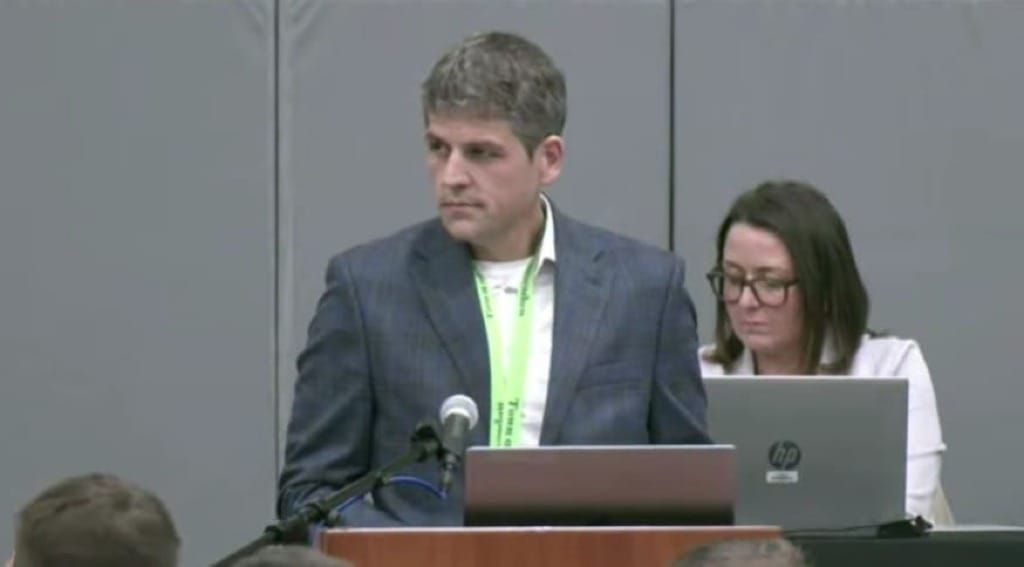
“Here’s the real consequence if we don’t vote yes tonight,” said Ben Brown, a member of the original Municipal Fiber Task Force and the Select Board’s designated speaker on the article. “Someone else builds the profitable neighborhoods ... and leaves the rest of the town behind forever.”
Brown said the proposed service would have offered symmetrical gigabit speeds for about $90 per month, compared to Comcast’s advertised roughly $110 monthly gigabit plan. He also argued municipal ownership would provide more reliable service and stable pricing.
Opponents focused on financing concerns and the project’s reliance on taxpayer support.
Erica Weida, chair of the town’s Finance Committee, said the committee twice voted against recommending the proposal because financial questions remained unresolved.
Weida said the $8.615 million bond would ultimately cost taxpayers about $12.2 million with interest and subsidize roughly 32 percent of construction costs.
Resident Tom Shea also criticized the financing structure, arguing the taxpayer subsidy had not been fully disclosed earlier in the process and warning the town already faced significant debt obligations under its five-year capital plan.
The vote followed a campaign by Mass Priorities, which broadband advocates described as a telecom industry-backed astroturf group.
Residents reported receiving mailers, phone calls, text messages, and flyers urging voters to reject the proposal ahead of Tuesday’s vote.
The group describes itself as “a nonprofit, nonpartisan coalition of concerned Massachusetts residents,” but broadband advocates said it is tied to the Minnesota-based Domestic Policy Caucus.
Community Networks reported the same organization spent approximately $10,000 on Facebook advertisements opposing a 2024 vote establishing a public utility structure for the network.
Longmeadow is one of several western Massachusetts communities exploring municipal broadband amid frustration over affordability, reliability, and limited competition.
The vote leaves the future of the project uncertain after more than two years of planning, engineering work, and public debate over whether the town should own and operate its own fiber infrastructure.