Utility Pole Owners Should Test Structures Before Delivery of Federal Funds: Consulting Firm
Poles should be assessed for integrity to carry additional equipment, says director at engineering consulting firm.
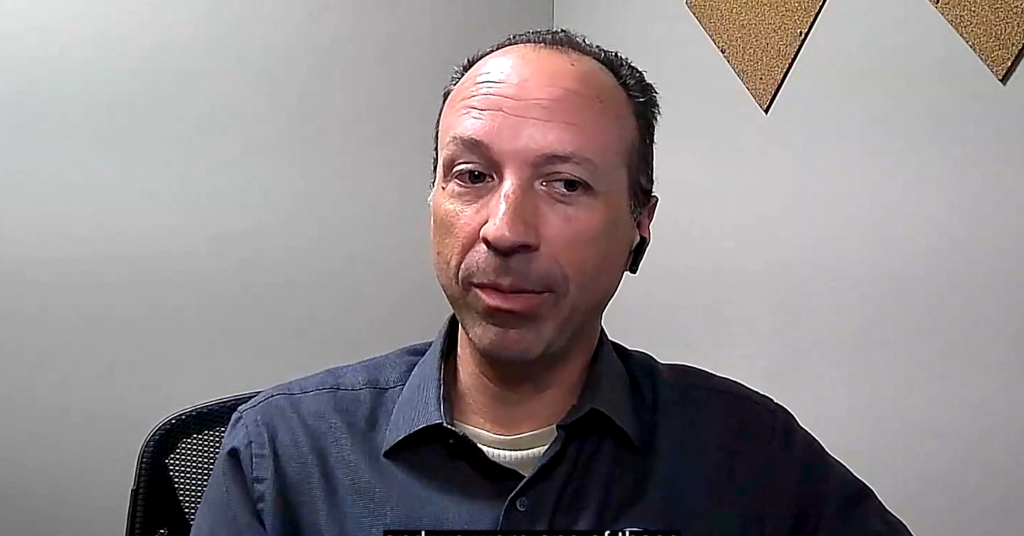
WASHINGTON, July 20, 2022 – Utility pole owners should assess the readiness of their structures for fiber attachments before the federal government delivers billions in funds for broadband infrastructure, according to a director at an engineering consulting firm.
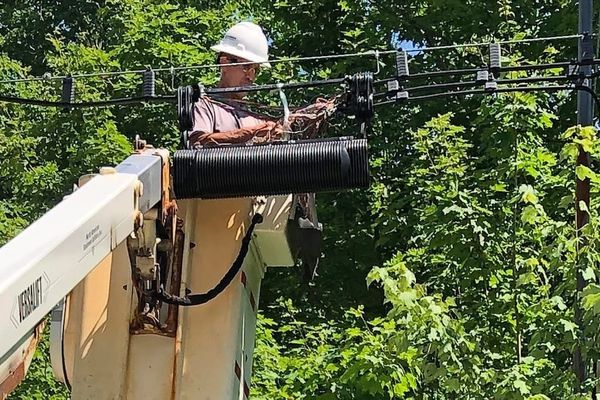
Sean Middleton, director of strategy operations at Finley Engineering, said at a Fiber for Breakfast event Wednesday that utility pole operators must conduct a pole-ready analysis to understand the poles’ structural integrity and provide a high-level report of what the poles need to be ready for fiber builds. That includes whether the pole will withstand the weight and strain of additional equipment.
He added that it is important for pole owners to make these preparations prior to the release of the $42.5 billion from the federal government’s Broadband Equity, Access and Deployment program.
Fiber providers will often choose to attach broadband infrastructure to existing utility poles over ground, which is often more economically feasible than putting cables underground.
Pole attachments are a major concern for policy makers of broadband funding initiatives. There is considerable debate regarding the responsibility of pole attachers to pay for replacing poles. In June, the Federal Communications Commission issued a proposed rulemaking on removing barriers to infrastructure investment, including addressing the tension between pole owners and attachers regarding the replacement costs of poles.
NTCA, NRECA say new identity-check and Social Security number collection duties should not be shifted to individual carriers.
The defendant admitted to submitting false customer addresses to receive higher subsidies intended for tribal residents.
Bipartisan bill would block states from regulating AI development for three years, reigniting a fight between states and the Trump administration
Online event series runs June 17, June 24, and July 1, tracing American communications from Bell's first telephone call to the age of artificial intelligence.