
Verizon, Frontier Settle with Two Merger Opponents in California
The companies are eager for the CPUC to approve the deal at its Dec. 18 meeting.

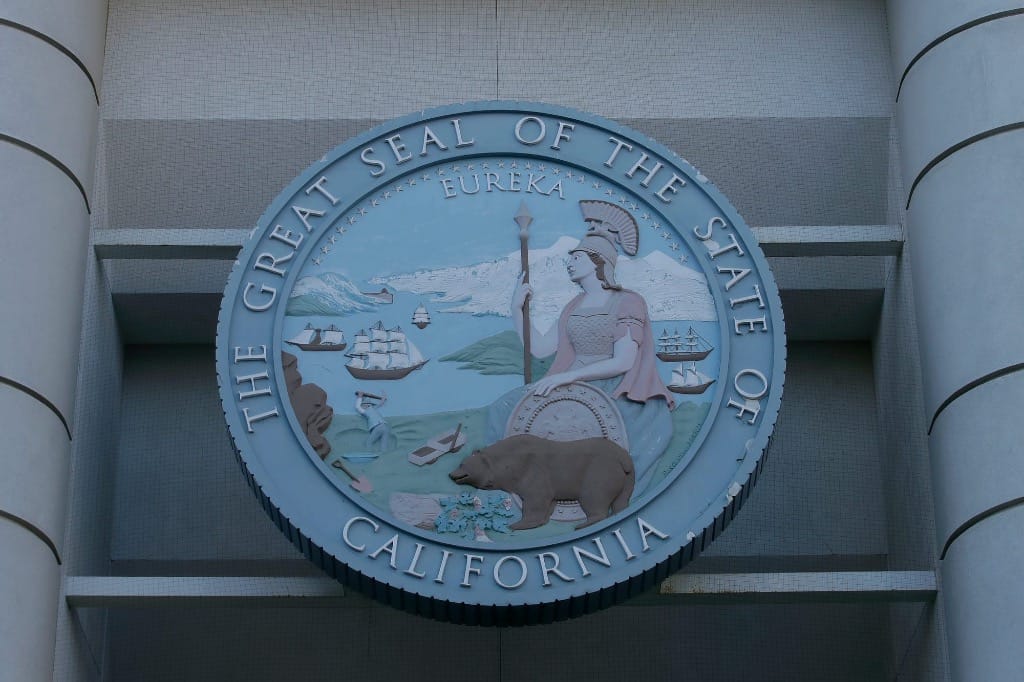
WASHINGTON, Sept. 10, 2025 – Verizon and Frontier settled with two opponents to their merger in California, an effort to secure approval from the state’s utility regulator before the end of the year.
The companies agreed, should the state approve the deal, to dedicate $500 million to California-based suppliers, deploy 75,000 fiber passings in the state within five years, deploy 250 cell sites in seven years, and invest $40 million in digital opportunity programs run by the California Emerging Technology Fund. CETF said it didn't oppose the transaction in principle, provided the companies reached an agreement with the group to guarantee public interest benefits.
As part of the settlements, the companies would participate in California’s recently launched $20-per-month broadband subsidy program for low-income households and offer plans for the same price.

The ISPs also agreed to hire 600 new union employees in the state – the Communications Workers of America had opposed the deal – and not to “involuntarily lay off” any CWA employees for four years from the day the deal closes.
The state’s Public Advocates Office, which had also opposed the deal, also reached a settlememt agreement with the companies. The three parties that settled are each asking the CPUC to attach the terms of their agreements if it approves the deal.
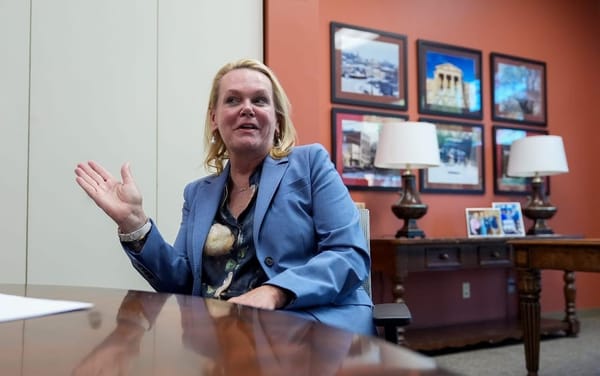
“The Public Advocates Office has secured a commitment from Verizon that delivers meaningful, direct benefits to California customers – more than any other state,” Linda Serizawa, the office's director, said in a statement. “The agreement ensures Verizon will invest in fiber and wireless broadband infrastructure to provide high-quality, reliable service. It also means Verizon will partner with the California LifeLine subsidy program to reduce – and in many cases eliminate – the cost of broadband service for low-income families.”
Verizon and Frontier would submit reports and meet with the parties involved detailing its progress on the settlement commitments.
The Utility Reform Network and the Center for Accessible Technology still oppose the deal, and are asking the CPUC to deny it in the agency’s proceeding on the issue. They are cross examining witnesses from Verizon and Frontier at evidentiary hearings this week.
Verizon and Frontier are eager to get their merger approved by the California Public Utilities Commission, which has been skeptical of the deal since Verizon committed to end its diversity practices in order to get Federal Communications Commission approval. California requires large ISPs to submit annual plans for increasing procurement spend with minority-owned businesses, and the state wasn’t satisfied with Verizon’s assertion it could satisfy both the CPUC and the FCC.
The companies need the deal approved in California by the end of the year, they say, which would likely have to be at the CPUC’s Dec. 18 meeting. The companies are asking for an accelerated briefing schedule to ensure the deadline is made, something not guaranteed by the current schedule.
Getting final approval from the state at that meeting is “of critical importance,” the companies argued in a recent filing, both because Frontier doesn’t have enough cash to continue its fiber build into next year and because Justice Department approval, granted earlier this year, will expire in February 2026.
Publicly, Verizon has remained confident it will be able to close the deal in the first quarter of 2026, the timeline it laid out when the companies announced the merger.
“We’ve gotten the DOJ and the FCC in a really comfortable place. They’ve signed off on the transaction,” Sowmyanarayan Sampath, head of Verizon’s consumer group, said in an investor conference last week. “We have work to do in a few of the states, but it’s typical of any transaction.”
Correction: A previous version of this article described the California Emerging Technology Fund as opposed to the Verizon-Frontier merger. CETF said it did not oppose the transaction, so long as the companies reached an agreement with the group to guarantee public interest benefits.



Member discussion