Washington State Moving Along on BEAD Grants
The state’s broadband director said grant winners are seeing cost overruns


WASHINGTON, Sept. 9, 2026 – Washington State is moving forward with its Broadband Equity, Access, and Deployment program grants, but its ISPs are seeing cost increases, the state’s broadband director said Wednesday.
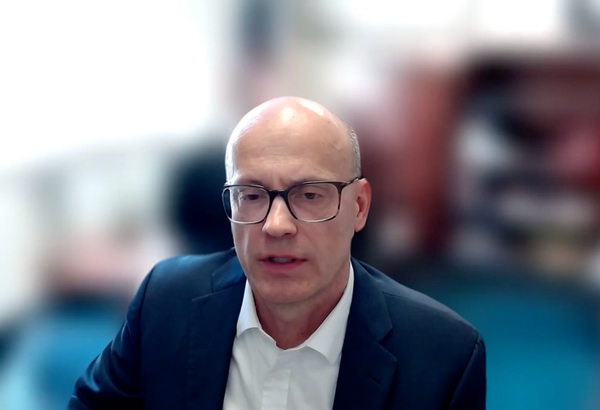
Jordan Arnold, director of Washington’s broadband office, said the state has signed final contracts with four of its 26 BEAD winners, and that one fixed wireless project was close to starting construction.

She spoke on a Fiber Broadband Association webinar.
The deadline for the remaining ISPs to sign their agreements and submit them to Arnold’s office is Oct. 8, she said. Most other states are also working on hammering out contracts with BEAD winners, with construction starting to get underway in a few states.
Based on its federally approved spending plan, Washington is expecting to spend about $736 million of its $1.2 billion BEAD allocation to serve about 165,000 locations.
Of those, fiber would serve 35 percent, fixed wireless 38 percent, and satellite 27 percent, although the Commerce Department is asking states to reduce satellite awards in light of new federal broadband coverage data.
Arnold said she was pleased that no providers in Washington had refused their awards yet, as some winners have done in at least a dozen other states.
She attributed that to the design of the state’s project areas — how eligible locations were grouped together for bidding purposes — and state matching funds for public entities that participated. ISPs have generally preferred smaller project areas that allow for more flexibility.
Still, she said it made sense for providers to walk away if project costs didn' t make sense anymore.
“There have been a lot of changes in this program, but also a lot of changes in the broader economy, that just mean BEAD projects maybe look different now than they did a year ago,” she said. “That’s nobody’s fault, and that’s just kind of how grant programs go.”
She said there was a “heated debate” in the state about whether the Trump administration should allow waivers to use some remaining BEAD funds to shore up cost overruns.
Some providers that didn’t win BEAD funding in the state feel like they didn’t win in part because they took into account future cost increases and didn’t submit very low bids, she said. On the other hand, providers that did win have insisted they had no way of knowing U.S.-made fiber and other necessary components would become so much more expensive.
At least one other state, Minnesota, has asked NTIA for similar waivers to help keep projects afloat, according to Minnesota broadband director Bree Maki.
Big tech companies are racing to build and connect data centers to support their AI products, and that’s created sky-high demand for fiber that rural ISPs with BEAD funding also need. Corning and other major U.S. manufacturers have insisted they have the capacity to meet the heightened demand.
Arnold was appointed in January. She previously worked on broadband funding programs, including BEAD, as a policy advisor in the Biden administration.