
WIA Report: Dish Accounted for 5-7 Percent of All Tower Rental Revenue
An ally of FCC Chairman Brendan Carr wrote the agency in favor of the tower companies.

Jake Neenan
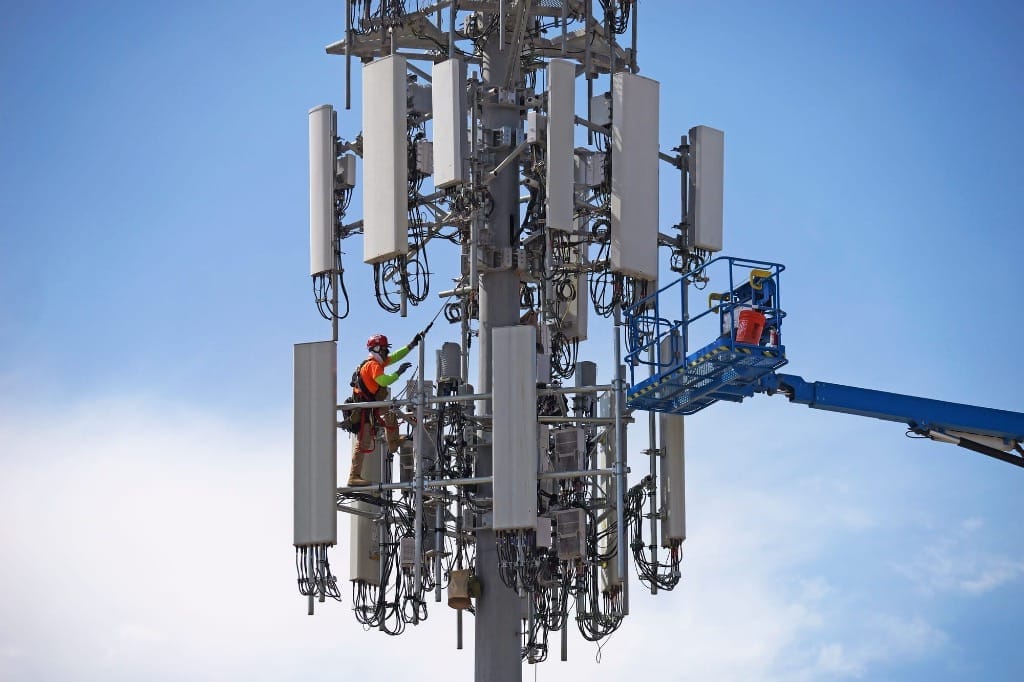
WASHINGTON, March 11, 2026 – Dish’s plan to exit tower lease agreements could represent a 5 percent to 7 percent hit to annual rental revenues, according to a report commissioned by the Wireless Infrastructure Association
The Brattle Group, which produced the report, estimates Dish’s annual rent across all tower companies amounts to about $500 million annually. Brattle estimated that to recover the costs of lost revenue from Dish, tower companies would have to raise rents on other carriers by anywhere from 6-11 percent.
WIA and its members, which include tower and infrastructure companies, have been pushing hard for the Federal Communications Commission not to let $42.6 billion in spectrum sales from Dish’s parent company, EchoStar, go through unless EchoStar sets aside money to pay settlements to companies whose contracts Dish is exiting.
Dish has told business partners that EchoStar was effectively forced by FCC pressure to sell much of its spectrum, leaving Dish, which isn’t set to receive any of the proceeds, unable to pay its dues through no fault of its own and thus able to exit agreements. Tower companies are not happy about this, and several have sued Dish arguing their agreements are still in effect.
“The data makes clear what could happen if EchoStar’s shell game plays out – potential job cuts, higher costs for consumers, delayed wireless investments especially in rural areas, and a risk to America’s leadership in wireless,” WIA CEO Patrick Halley said in a statement.
That’s what WIA and others have been arguing to the FCC in their bid to require EchoStar to set cash aside for Dish’s business partners before approving its spectrum sales.
In its release publicizing the Brattle report, WIA said that more than 40 companies had formed a coalition and had contacted their members of Congress on the issue and “detailing the consequences for jobs and infrastructure projects in their districts.”
EchoStar did not immediately respond to a request for comment.
EchoStar said in a September call with investors that it expected to bring in about $20 billion in cash following those sales. About $31.2 billion of the purchase price is in cash, with the remaining being SpaceX stock, and EchoStar has $11.4 billion debt to pay.
Wireless Estimator has estimated that the rent payments Dish owed to tower companies could be $9 billion.
EchoStar founder and CEO Charlie Ergen said on the company’s earnings call this month that the company had settled “hundreds of contracts” with other companies, including with a “large tower company,” though he didn’t specify which.
The three largest tower companies in the U.S. have each sued Dish. Crown Castle is seeking the full $3.5 billion it was owed, and American Tower is looking for about $2 billion.
The tower companies argue EchoStar wasn’t actually forced into selling, and that the company is now improperly trying to avoid paying its subsidiary’s bills. Dish and EchoStar maintain FCC inquiries into EchoStar's spectrum licenses left the company with no other option but to sell, creating an unexpected “force majeure” event that relieves Dish of its contract obligations.
FCC conditions
EchoStar has told the FCC the agency can’t place conditions on the company when approving its spectrum sales, as EchoStar is divesting rather than receiving an agency-regulated license.
WIA met with the FCC’s top lawyer last month to argue it would be legal for the agency to require an escrow fund to cover settlements for all “impacted infrastructure providers,” regardless of whether they’re suing Dish.
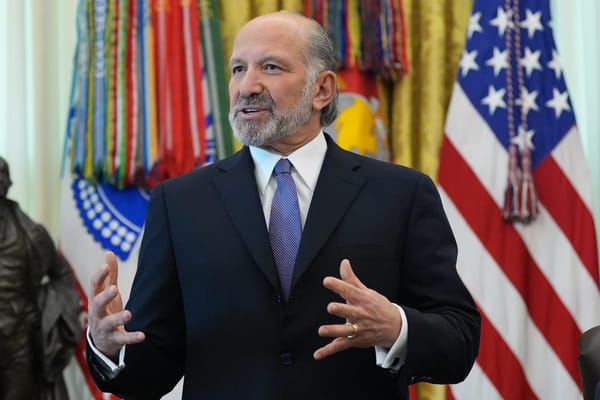
Daniel Suhr, president of the Center for American Rights, weighed in Tuesday in support of WIA’s escrow pitch. Suhr and CAR have been allies of Carr’s in his actions against media companies.
WIA has “raised a real question whether the various corporate entities involved in the spectrum sale will end this transaction with the holder of their contracts an empty shell devoid of assets to sufficiently cover the potential lawsuit liability,” Suhr said in a letter to the agency.

Member discussion