
Will the Real Rep. Doris Matsui, California Democrat, Please Stand Up?
The Golden State lawmaker took positions in a March 27, 2026 letter to NTIA Administrator Arielle Roth that contradicted her positions in a Nov. 25, 2025 letter to Roth on BEAD program implementation

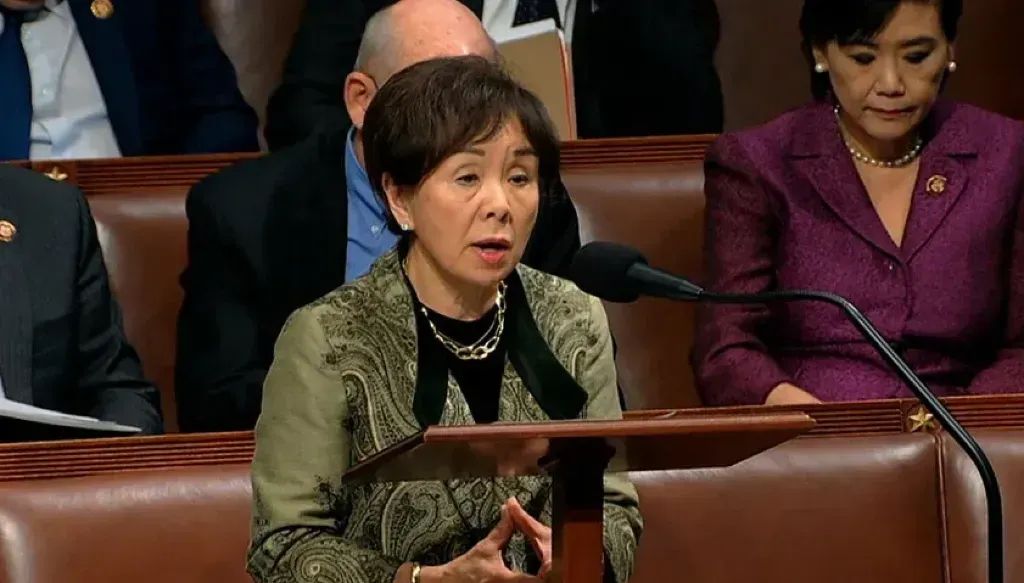
BEAD: Rep. Doris Matsui is Capitol Hill Republicans’ favorite Democrat: Loved by all, feared by none. But Matsui has a big job – she’s the top Dem on the House Communications and Technology Subcommittee, overseeing the FCC and the Commerce Department’s National Telecommunications and Information Administration (NTIA). So that’s why it was more than strange to see a subject matter pro like Matsui totally contradict herself in writing with regard to BEAD program implementation by NTIA Administrator Arielle Roth. Based on recent letters to Roth, Matsui has staked out legal and policy positions that did not match up. In the first letter – sent to Roth last November – Matsui was clear, saying “NTIA’s implementation of the BEAD Program violates the letter of the Bipartisan Infrastructure Law and ignores the intent of Congress, jeopardizing the bipartisan goal of delivering fast, reliable, and affordable Internet to everyone in America.” Matsui signed that letter along with just House Energy and Commerce Committee ranking member Rep. Frank Pallone (D-N.J.) and Rep. Yvette Clarke (D-N.Y.). On March 27, Matsui, along with 18 other House Democrats, sent a completely different message, one that tossed Biden Commerce and NTIA officials like Gina Raimono, Alan Davidson, and Evan Feinman under the bus. “… The current administration appropriately modified the BEAD program by adopting a more technology-neutral approach that allowed greater competition from non-fiber operators …” Matsui wrote, though much of the letter was filled with animus toward Elon Musk’s SpaceX and Starlink. “Appropriately modified?” Say what? Capitol Hill Democrats gave Commerce Secretary Howard Lutnick unshirted hell for altering BEAD rules in June 2025 in ways that produced more than $20 billion in savings. (More after paywall)






Member discussion