Wisper Internet CEO Takes Issue With Federal Government Preference for Fiber
Wisper CEO Nathan Stooke said the attitude to connect more Americans should be to let the “best technology win.”


September 13, 2022 – The CEO of a wireless internet service provider took a shot at the federal government’s preference for fiber infrastructure, saying the attitude to connect more Americans should be to let the “best technology win.”

Officials from the National Telecommunications and Information Administration, a Commerce agency that is handling $42.5 billion for broadband infrastructure, have said that they prefer fiber builds because of their claimed ability to stand the test of time.
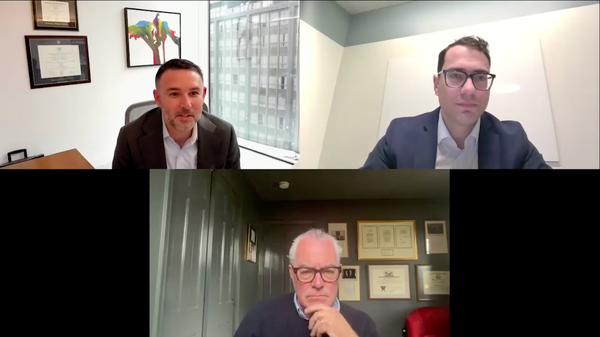
But Nathan Stooke of Wisper Internet said during an Ask Me Anything-style interview with Broadband.Money on August 26 that the government shouldn’t “dictate the technology.”
“What is their goal?” Stooke asked in an exchange with Drew Clark, Broadband Breakfast Editor and Publisher. “I mean they keep saying it’s to get people who don’t have service, service. We have to bridge the digital divide by forcing it to be fiber. You’ve now shrunk down the number of people you can serve right because it’s just the reality of it.
“I think there should be some fiber projects there. I’m never advocating for ‘don’t exclude anything.’”
A similar sentiment was expressed last month during a panel at the TPI Aspen Conference, in which representatives from private industry, trade associations and academia urged the government to give alternative technologies – like fixed-wireless and satellite – a chance to show their potential. That came after the Federal Communications Commission denied SpaceX’s Starlink satellite broadband service nearly $900 million from the Rural Digital Opportunity Fund because it is still a developing technology.
Kaptivate analysis finds some states’ references to rural America dropped 80 to 100 percent
Idaho, Massachusetts, Minnesota, North Carolina, and Utah had their final proposals approved.
The approval follows recent elections where two Democrats won seats on the commission. Those Democrats oppose the plan but don't take office until January.
Lawmakers are considering how best to reform the fund.
Member discussion