
With Florida, Utah, 48 States Have Posted BEAD Plans
Only Texas and California have yet to post plans. Those results are expected in late October.

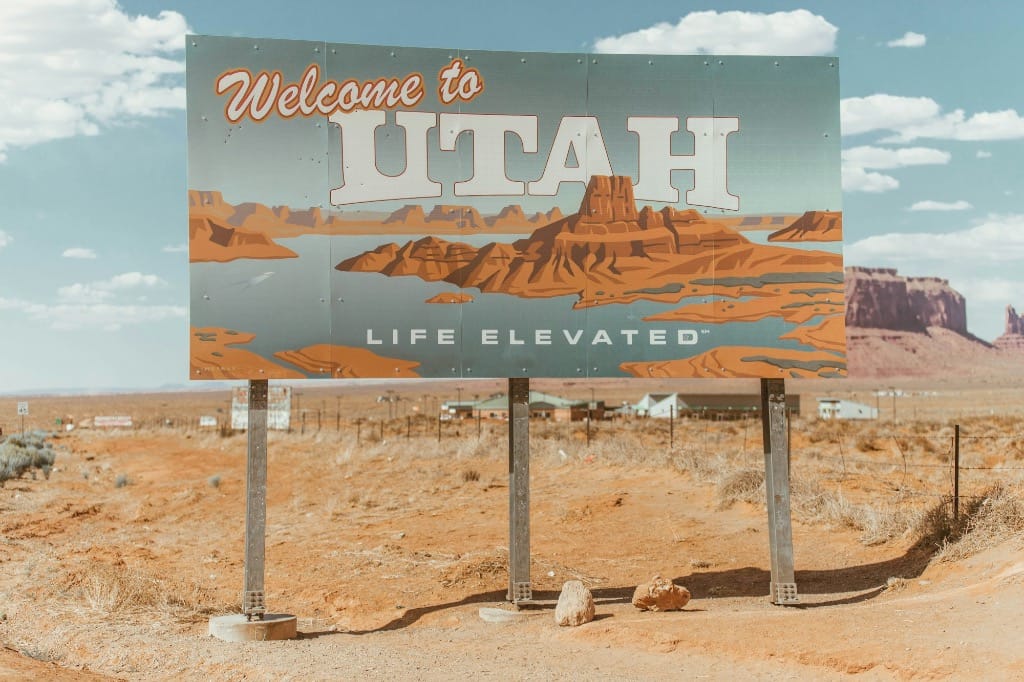
WASHINGTON, Sept. 29, 2025 – Florida’s broadband office is aiming to get fiber to less than half of its 102,000 eligible homes and businesses, and Utah is aiming for fiber for 55 percent of its roughly 32,300 eligible homes and businesses, according to a draft posted Friday.
The posting of the plans leaves just two states yet to report under the Broadband Equity, Access and Deployment grant program: California and Texas.
In Florida, 48 percent are in line for fiber, about 25 percent would get low-earth orbit satellite, almost all from Amazon’s Project Kuiper, and about 14 percent would get fixed wireless. The remaining 13 percent would get cable.
The state will take public comment on its draft plan for one week before submitting it to the Commerce Department for approval. That final sign off is necessary before states can begin signing contracts and funding projects with their slices of the $42.45 billion in BEAD money.
Florida was allocated about $1.2 billion under the program, and is planning to spend $291 million of that on its tentative awards. The biggest winner would be Comcast, taking home more than $116 million to serve more than 35,000 locations.
The cable giant would deploy fiber to about 22,000 of those and serve the rest with cable. Amazon would receive about $14 million to serve about 23,600 locations.
Utah
Utah had also posted its draft plan Friday, and since then updated the posting to show its location-level results.
The state would get fiber to 55 percent of its roughly 32,300 eligible homes and businesses. About 25 percent would get satellite service, all from SpaceX, and the remaining 20 percent would get fixed wireless.
Utah’s broadband office would spend $231 million of the $317 million it was allocated under the program in 2023.
Local and regional ISPs won most of the funding in Utah, with Strata Networks winning the most at $46.6 million. Comcast won the sixth most cash at $18.4 million.
Nationally, awards still lean toward fiber. About 67 percent of the 3.1 million BEAD-funded locations are in line for the technology, with about 20 percent set to receive satellite.
SpaceX priority in Utah, but not Florida
While SpaceX is slated to serve the most locations of any provider, it hasn’t been winning as much as it would have liked. The company has challenged several state plans and argued it should have won many more locations because of its low bids.
The low bids haven’t been enough because some states are giving preference to other technologies, at least in some areas. States have argued that satellite doesn’t meet the scalability requirements for “priority broadband projects,” which get first consideration under BEAD, if there’s too much tree cover or mountainous terrain.
The satellite providers failed to secure priority status even where they won in Florida, meaning they were likely relegated to areas where no terrestrial providers had any interest, but SpaceX’s winning application in Utah was a priority project.
Extensions for two biggest states
The awards so far don’t include two of the largest states, California and Texas, and are not set in stone. Commerce’s National Telecommunications and Information Administration is aiming to approve plans by the end of the year, and is asking states to revise their tentative results to further drive down spending.
Responsible for sprawling programs with large numbers of eligible homes and businesses, California and Texas got deadline extensions from NTIA, with plans now due to the agency Nov. 2 and Oct. 27 respectively. Factoring in a one-week public comment window, that implies California will publish its draft plan by Saturday, Oct. 26 and Texas will publish by Monday, Oct. 20.
Even before further revisions to satisfy the Trump administration, states have so far been coming in far under budget. The draft plans posted so far are $18 billion below the states’ collective BEAD allocations.
It’s not clear what will happen to that cash. The Trump administration isn’t eager to see much “non-deployment” spending and rescinded approval for any such activity, including some efforts already underway, in June. More guidance is forthcoming, the NTIA has said.
Some Republican officials have been pressing for states to keep the money, which they had been planning to spend on broadband adoption programs and other things under the Biden administration. Louisiana Gov. Jeff Landry has proposed requiring states to spend it on AI infrastructure, or certain “America First” policies that have some overlap with what states had been previously considering.
Sens. Roger Wicker, R-Miss., and Shelley Moore Capito, R-W. Va., have also publicly said they want their states to retain their BEAD savings, arguing the law standing up the program requires it.


Member discussion