
Without Fines, FCC Rules May Go 'Effectively Unenforced,’ Agency Says
Major wireless carriers are fighting the agency’s ability to issue fines in a legal battle before the Supreme Court.

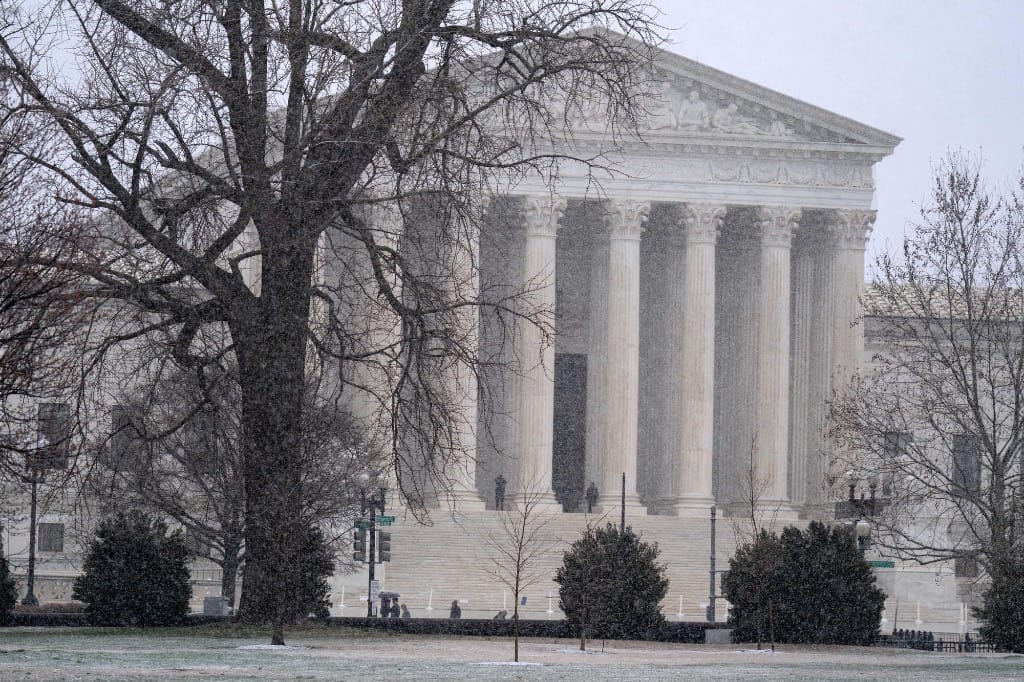
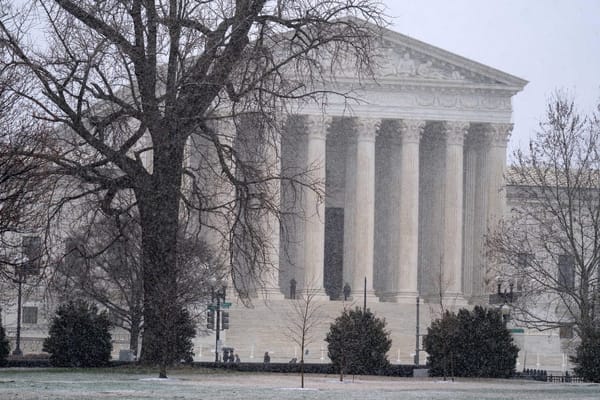
WASHINGTON, March 23, 2026 – The Federal Communications Commission is urging the Supreme Court not to strike down the agency’s ability to issue fines when telecom companies violate its rules.
“Forfeitures are among the FCC’s most important enforcement tools,” the agency wrote in a Friday filing with the high court. “Eliminating them could mean that many vital rules – such as those protecting privacy, combating robocalls, and regulating broadcasting – go effectively unenforced.”
If financial penalties were off the table, the agency said it could come to rely more heavily on license suspensions or revocations, “all-or-nothing remedies” that the FCC said give companies fewer avenues to appeal but would ultimately “affect regulated parties far more substantially than forfeitures.”

In 2024, the FCC fined the three major mobile carriers more than $200 million collectively for, in the agency’s view, not vetting third parties enough before selling them customer location data.
The carriers each appealed, pointing to the Supreme Court’s 2024 decision in SEC v. Jarkesy. That decision said that under the Seventh Amendment to the U.S. Constitution, companies need the option of a jury trial before being forced to pay fines.
The FCC’s process does allow for that, provided companies don’t pay and wait for the Department of Justice to bring a collection action.
That, the agency argued Friday, is enough to satisfy the Constitution. The FCC’s filing was signed by Solicitor General D. John Sauer and FCC General Counsel Adam Candeub.
“Since before the founding, legislatures have authorized non-jury factfinders to decide civil cases in the first instance, subject to review by juries on appeal,” the government wrote. “And since 1889, Congress has authorized agencies to issue non-binding monetary awards that can be enforced through jury trials.”
AT&T and Verizon are involved in the case currently before the Supreme Court. The Fifth Circuit sided with AT&T, and the Second Circuit sided with the FCC against Verizon.
Both the companies and FCC asked justices to step in and settle the issue. Oral arguments are set for April 21, 2026.
The carriers argued last month that the FCC could hold unpaid fines against companies while they waited for a DOJ suit that might never actually come, making their jury trial right too burdensome to actually exercise. In practice large companies often pay their fines, which grants them the ability to challenge the agency’s decision in an appellate court.
“Carriers never” opt not to pay and wait for a DOJ suit, the carriers wrote, “because FCC forfeiture orders have serious ‘real-world impacts,’ and carriers cannot risk letting them go unchallenged before a neutral, Article III adjudicator.”
The FCC said Friday that it did not hold forfeiture orders themselves against companies, including if they went unpaid. The agency said that, if relevant in future proceedings, it would consider the underlying facts of a previous adjudication and allow the company in question to present additional evidence.
“That practice raises no constitutional concerns,” the agency wrote.
T-Mobile, which also lost its suit on the issue in the D.C. Circuit, has urged the Supreme Court to side with AT&T and Verizon. Major telecom trade groups and conservative legal groups have also weighed in in support of the carriers.
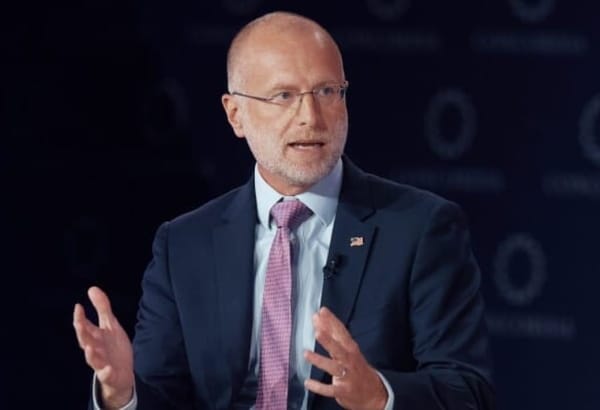
FCC Chairman Brendan Carr, a commissioner at the time, dissented from the fines when they were handed down, but the agency has been defending its enforcement power under his leadership.


Member discussion